

However, based on my experiences here, I would say that multi-actor or codesign approaches are not the miracle cure to solve the biodiversity crisis that many hope they are 🙁🙁
29.12.2025 16:28
👍 2
🔁 0
💬 0
📌 0
However, based on my experiences here, I would say that multi-actor or codesign approaches are not the miracle cure to solve the biodiversity crisis that many hope they are 🙁🙁

Kudos, to all partners for achieving this conservation success and to Klara Leander Oh for writing a great paper
First ever evidence that multi-actor collaborative conservation produces biodiversity benefits (as far as I know) doi.org/10.1016/j.bi...
Semi-natural habitats are key for farmland biodiversity but their quality is often low due to high exposure to fertilizers 🌾🧪
A new study shows that more frequent cutting can create diverse vegetation even in highly productive habitats ✂️🌏
🔗 doi.org/10.1111/1365...
Removing cut vegetation is important for maintaining species rich and flowering vegetation. When having too choose between these machines and not removing the cuttings or not cutting at all I pick the machines any time.

Geographical distribution of observations from studies included in the final analysis. Circle size is scaled for visualization purposes to improve visibility of overlapping data points, and does not encode any quantitive information. The center of each circle corresponds to the coordinates of the reseach area of the included studies.

Probabilities of observing an increase or no change in biodiversity upon conservation of extensively managed grasslands, and of observing an increase in biodiversity after restoration of previously abandoned or intensively used agriculturally marginal grasslands. Numbers indicate sample sizes. Raw data are overlaid as jittered points to show the distribution of observed outcomes that informed the model.
🌿🪶 New Review in #BAAE: Abandonment & intensification impact biodiversity in marginal grasslands.
Across 174 European studies, both pathways reduced diversity — while restoration & extensive management help recover ecological value. 🌾
DOI: doi.org/10.1016/j.ba...
@gfoesoc.bsky.social

Fall ❤️
Great new study by Reinier de Vries (and others), who caught 170,000 individuals and identified 27,200 of them to species level. Makes you understand why few studies have done this so far.

Intensifying grassland management leads to massive loss of arthropod species. However, total arthropod numbers remain more or less stable. Many losers, few winners. doi.org/10.1016/j.bi...

Mixed plant and arthropod biodiversity responses to solar park establishment on former agricultural lands 🦋
Suggests that, while biodiversity can increase in solar parks post-conversion compared to previous land use, not all taxonomic groups benefit from this change 🌏🧪
doi.org/10.1111/1365...

Four graphs comparing species richness at various taxonomic levels
A welcome research comparing the results of pollinator monitoring obtained by humans (so-called 'pollination ecologists') and concurrent time-lapse videos (so-called 'the future for lazy' 😜). Take a quick glance at this figure from the paper and judge for yourself
doi.org/10.1002/aps3...
Politics is complicated
Business is complicated
Finance is complicated
So why do they all expect ecologists to come up with simple actions & metrics for nature recovery
Could they be spinning us a line?

Finished data collection for this paper 19 years ago 🫣
Important to promote farmland wildlife, but this paper in Science, (doi.org/10.1126/scie...) published 2 days ago, highlights that in intensive agricultural landscapes we first need MORE habitat before we put effort in enhancing quality

Higher cutting frequency can restore habitat quality on farmland. doi.org/10.1111/1365...

Dutch solar parks approach pollinator & plant biodiversity levels of extensive grasslands, but only on the surface not covered by panels. Soil-emergent arthropods and butterflies lack behind. Proud of Timea for leading besjournals.onlinelibrary.wiley.com/doi/10.1111/...
@jappliedecology.bsky.social

Using total abundance as a proxy for wild bee species richness: A practical tool for non-experts 🐝🌏
Proposes that employing an effective proxy for non-experts could enhance the evaluation of many local and regional conservation initiatives 📑🧪
🔗 doi.org/10.1111/1365...

Veel meer natuur nodig om nuttige insecten voor de landbouw te behouden

We need much more semi-natural habitat (6-37%, depending on species group) in agricultural landscapes to effectively conserve pollinators. Large collaborative synthesis study looking at 59 studies in 1250 landscapes from 19 countries now published in Science www.science.org/doi/10.1126/...

Just because it is so beautiful. Megachile laechella. Rare in the Netherlands, but locally abundant in the dunes of Terschelling. The Dutch name 'zilveren fluitje' means silver whistle, after the high tone it makes while flying and the colour of.., well just look at it.
Yes, we want to know at what distance plant populations become reproductively isolated. And whether, restoring patches of wildflowers reduces isolation or actually worsens it (pollen competition). Both are possible.

They seem to be a lot less shy on Terschelling (NL). Took this one yesterday with my phone.

Bees and beers. The typical use of fridges by pollinator ecologists during field season.


In another project restpoll.bsky.social we investigate whether flower plantings can improve pollen dispersal between subpopulations. Scientists in action.


What are the consequences of pollinator decline for wild plants? Here we try to find out in @valor-project.eu. Interesting observations. I never see Centaurea jacea flowers with pollen. But keep the pollinators away and the flowers are dusted white. Very popular species.
Excited to be presenting results from the SHOWCASE project and Agroforestry Group this month!
Our farm trials across England have shown cover crops can increase earthworms by 65% in the following cash crops! AND agroforestry promotes worms too, especially in drought years 😎
Hope to see you there!🌾

... (reserve-equivalent) enhancement initiatives, supported by one-to-one advice, within or close to existing reserves."
Here's an example of this working for waders in eastern England, spear-headed by the much-missed Mark Smart:
wadertales.wordpress.com/2019/06/14/m...
#ConservationScience🌍
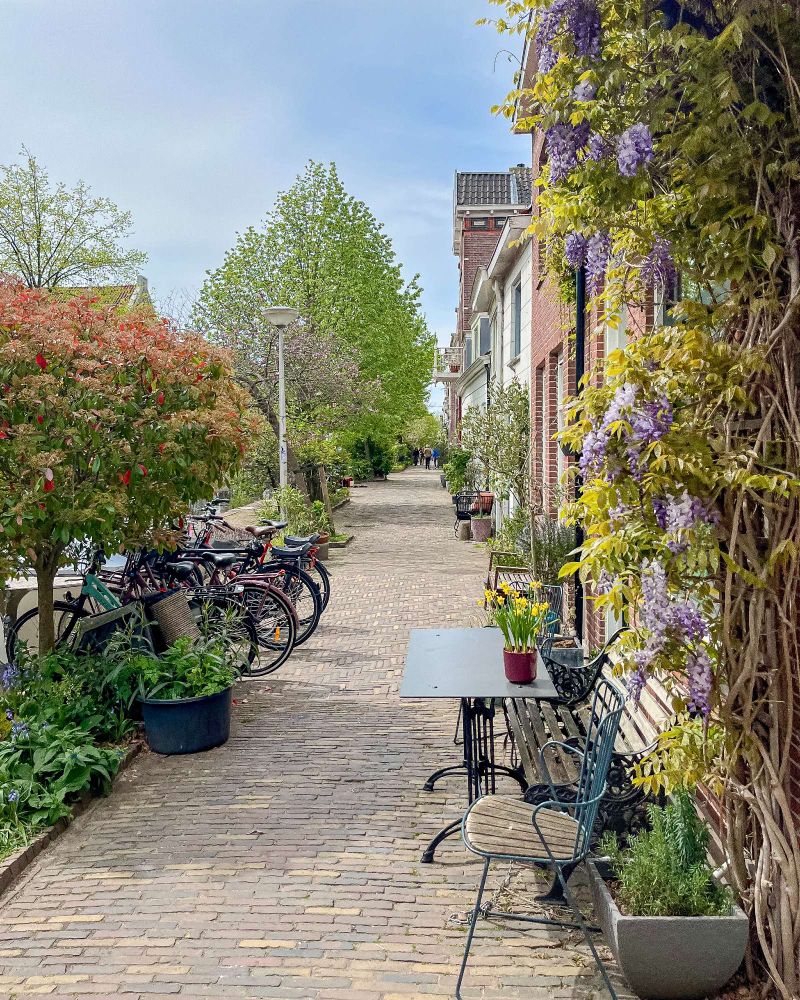
A brick residential street in Delft lined with trees, benches, bike parking, and low-rise brick and wooden buildings. The first storey of many of these buildings is covered with climbing plants and flowers.
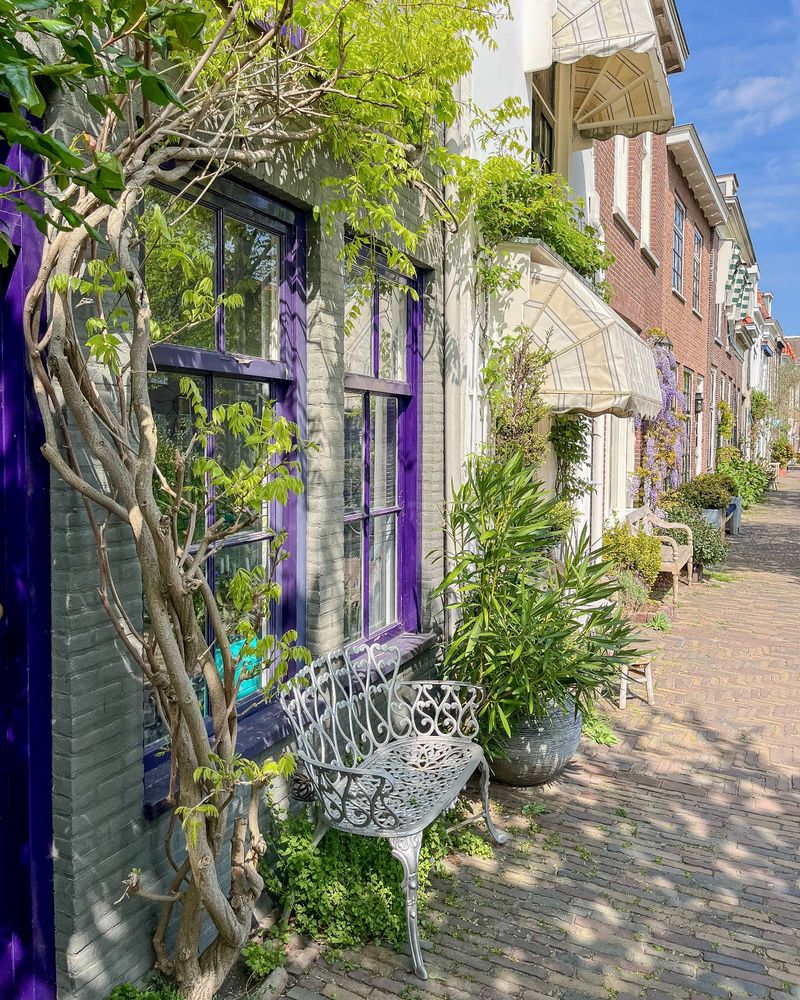
A brick residential street in Delft lined with trees, benches, bike parking, and low-rise brick and wooden buildings. The first storey of many of these buildings is covered with climbing plants and flowers.
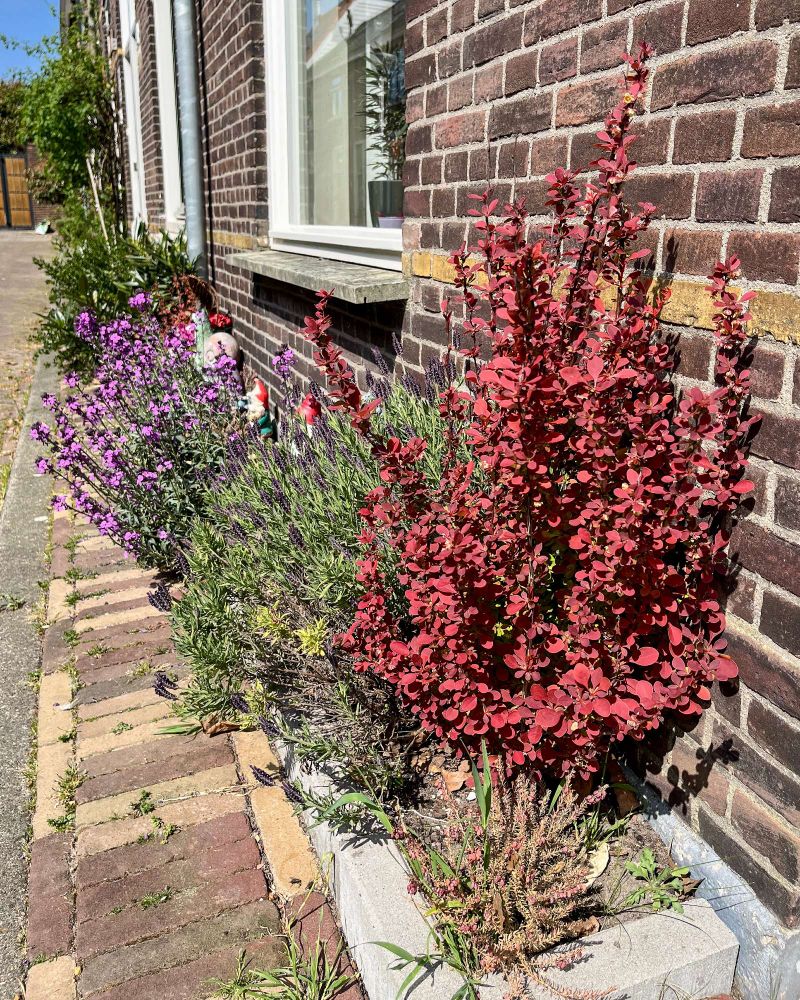
A brick residential street in Delft lined with trees, benches, bike parking, and low-rise brick and wooden buildings. The first storey of many of these buildings is covered with climbing plants and flowers.
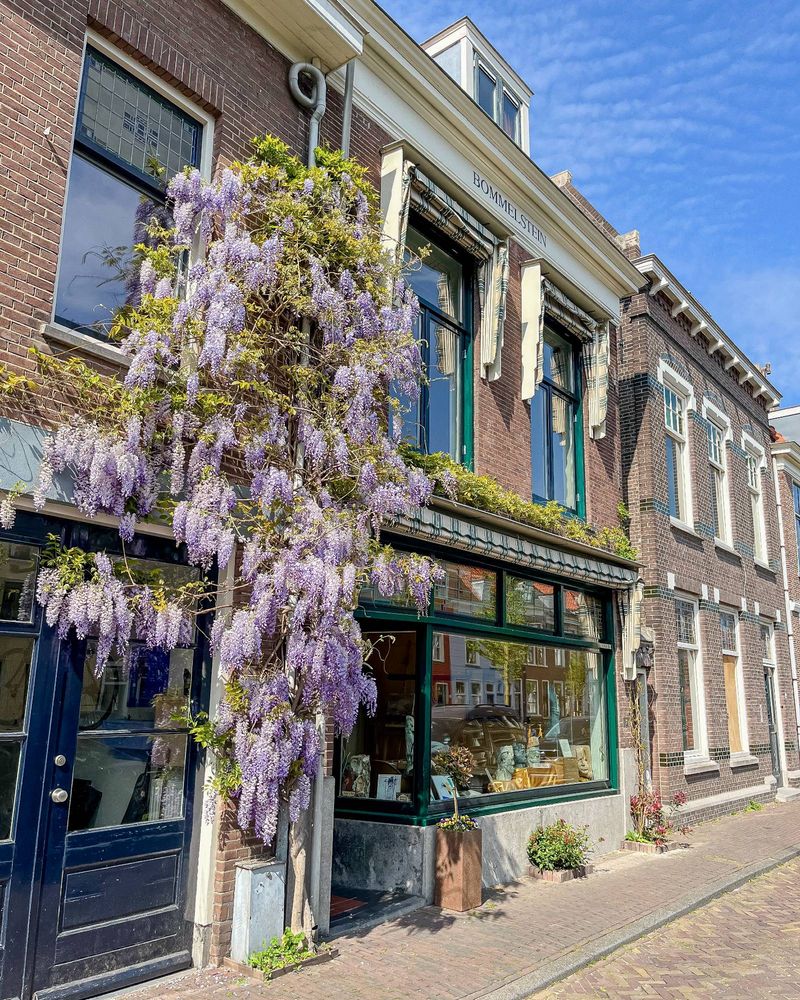
A brick residential street in Delft lined with trees, benches, bike parking, and low-rise brick and wooden buildings. The first storey of many of these buildings is covered with climbing plants and flowers.
The geveltuin (“facade garden”) policy is found in most Dutch municipalities, as here in Delft. Provided they meet a set of requirements, including preserving footpath width, residents are encouraged to remove paving stones in front of their property and replace them with greenery. No permit needed.

