We call this patchwork governance—a layered, improvised mix of law, platform policy, and community intervention.
Gossip, speculation, and call-outs may seem like noise, but they often do the work of protection.
📄 Open access here: doi.org/10.1002/poi3...
21.07.2025 13:40
👍 0
🔁 0
💬 1
📌 0

New article out with Dr. Crystal Abidin in Policy & Internet:
We analyze what happens when young people become internet-famous on TikTok—and neither legal protections nor platform policies are enough to address the risks they face.
The gaps are filled, unevenly, by the TikTok public.
21.07.2025 13:40
👍 4
🔁 0
💬 1
📌 0

think that this point right here is so, so central to what *socio*technical research can offer in this moment.
The backend “algorithm” is (sort of) an unknowable black box, but the stuff we can see is far more interesting and relevant.
20.01.2025 16:37
👍 6
🔁 1
💬 1
📌 0

This is what I get for making predictions.
19.01.2025 17:34
👍 2
🔁 0
💬 0
📌 0

19.01.2025 03:44
👍 0
🔁 0
💬 0
📌 0
Thanks Tom! You're a gem.
18.12.2024 17:49
👍 1
🔁 0
💬 0
📌 0
My brill friends @rscarlets.bsky.social & @alexturvy.bsky.social remind us that bans "aim to reduce risks but instead fragment oversight, drive users to less regulated spaces, and reduce transparency while claiming to increase security" 🔥👇
18.12.2024 17:15
👍 4
🔁 3
💬 2
📌 0
https://www.nytimes.com/2024/12/18/us/politics/supreme-court-tiktok-ban.html
I guess the Supreme Court read our article @rscarlets.bsky.social 🙃
www.nytimes.com/2024/12/18/u...
18.12.2024 16:31
👍 2
🔁 0
💬 0
📌 0
Thanks so much, Nathalie!
18.12.2024 15:50
👍 1
🔁 0
💬 0
📌 0
Thanks to @blakeplease.bsky.social for help thinking through this piece!
18.12.2024 14:28
👍 2
🔁 0
💬 0
📌 0
Thanks to @techpolicypress.bsky.social for publishing!
18.12.2024 14:21
👍 0
🔁 0
💬 1
📌 0

The TikTok Ban Paradox: How Platform Restrictions Create What They Aim to Prevent | TechPolicy.Press
Alex Turvy and Dr. Rebecca Scharlach write that the US TikTok ban reveals the limitations of current government regulatory paradigms.
New piece with @rscarlets.bsky.social : The TikTok ban won't work—it'll create exactly what it claims to prevent. Bans don't eliminate platforms, they transform them into less governable forms. Our analysis of the paradox at the heart of platform restrictions:
www.techpolicy.press/the-tiktok-b...
18.12.2024 14:19
👍 13
🔁 4
💬 2
📌 2
What's your theory?
17.12.2024 20:36
👍 0
🔁 0
💬 0
📌 0

In the meantime -- making the use of my daily Research API credits while I still can.
17.12.2024 20:33
👍 0
🔁 0
💬 0
📌 0
What happens next matters. The TikTok ban raises harder questions we can’t ignore:
Can democratic governance adapt to networked platforms?
What do we lose when policymakers rely on blunt tools like bans?
What happens when platforms embody competing cultural logics?
17.12.2024 20:10
👍 0
🔁 0
💬 0
📌 0
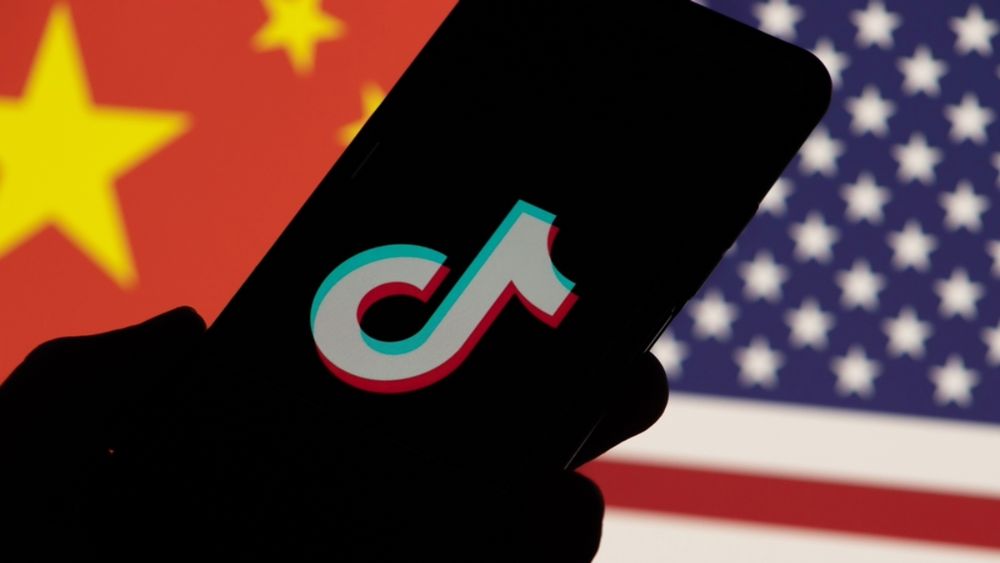
The TikTok ban reflects a government grasping for control in an ecosystem it doesn’t fully understand.
It’s easier to ban an app than to reckon with the messy realities of:
1. Globalized tech innovation
2. Cross-border data flows
3. Algorithms that shape speech
*This* is the real tension.
17.12.2024 20:10
👍 1
🔁 0
💬 1
📌 0
This case isn’t about TikTok alone. It’s part of a larger shift:
Tech built elsewhere now shapes US.culture and economy.
The government wants to reassert control.
The platform isn’t the problem—it’s what TikTok represents: the decline of US dominance in digital infrastructure.
17.12.2024 20:10
👍 0
🔁 0
💬 1
📌 0
TikTok’s case treats its algorithm like a neutral delivery mechanism. It isn’t.
The government fears that mechanism could become a vector for influence. But all platforms—TikTok, Instagram, Facebook—*already* shape speech by design.
So: Is free speech a shield, or a way to avoid accountability?
17.12.2024 20:10
👍 2
🔁 0
💬 1
📌 0
TikTok leans on free speech protections. The government warns about “potential manipulation.” Here’s the problem:
Platforms don’t just host speech. They organize it—through algorithms, recommendations, and opaque decisions.
Whose “speech” is that? The user’s? The platform’s?
17.12.2024 20:10
👍 0
🔁 0
💬 1
📌 0
The government argues “ownership = vulnerability.” TikTok says, “No misuse has happened.”
But the deeper issue is harder: Can we separate platforms from the systems that created them?
Platforms reflect where—and how—they were built.
That’s uncomfortable for everyone.
17.12.2024 20:10
👍 0
🔁 0
💬 1
📌 0
ByteDance’s tech isn’t “made in China”—it’s made through a Chinese model of tech development:
Data-driven, hyper-iterative, ecosystem-based.
The U.S. government frames this as a risk.
TikTok frames it as irrelevant.
Neither framing really tells the full story.
17.12.2024 20:10
👍 1
🔁 0
💬 1
📌 0
TikTok insists it’s a domestic company with 1A rights. True—on paper.
But this framing masks something real: TikTok is part of a Chinese innovation ecosystem. Its DNA—recommendation algorithms, product strategy—comes from that context.
It’s not neutral, and neither are ANY other platforms.
17.12.2024 20:10
👍 0
🔁 0
💬 1
📌 0
Now that I've done my best impression of a lawyer, I want to offer a few deeper considerations as a researcher:
1️⃣TikTok’s “U.S. company” framing
2️⃣The illusion of free speech neutrality
3️⃣The global power struggle over platforms
This case is about way more than TikTok. 🧵
17.12.2024 20:10
👍 2
🔁 0
💬 1
📌 0

TikTok argues the public interest favors allowing the platform to continue operating while the Supreme Court reviews the case, preserving free speech protections.
17.12.2024 19:55
👍 0
🔁 0
💬 0
📌 0

TikTok predicts devastating consequences if the ban is enforced: loss of 170M U.S. users, massive revenue losses, and irreversible damage to its platform ecosystem.
17.12.2024 19:55
👍 0
🔁 0
💬 1
📌 0

TikTok argues the Act violates the Constitution’s Bill of Attainder Clause, which prohibits Congress from singling out individuals or entities for punishment without a judicial trial. This Act explicitly targets TikTok—banning it automatically without procedural protections/evidence of wrongdoing.
17.12.2024 19:55
👍 0
🔁 0
💬 1
📌 0

TikTok argues Congress didn’t consider less severe alternatives—like stronger data protection laws or transparency measures—before enacting a blanket ban.
17.12.2024 19:55
👍 0
🔁 0
💬 1
📌 0