Everything that the Euclid Space Telescope Just Revealed!
YouTube video by Chris Pattison
Miss the release of the latest research and images from #Euclid?
Grab the popcorn and catch up with this explainer video from our very own @cosmochris.bsky.social! 🎬🍿 ⬇️
13.11.2025 11:30
👍 8
🔁 2
💬 0
📌 0
Thank you for sharing! ❤️🌌🎉
03.11.2025 11:36
👍 0
🔁 0
💬 0
📌 0
The Telescope That Sees 18,000 Colours
YouTube video by Chris Pattison
Check out this amazing video from Chris Pattison (@cosmochris.bsky.social) describing 4MOST and our First Light observations!
#4MOST #astronomy #astrophysics #telescope #observatory
03.11.2025 05:54
👍 4
🔁 2
💬 1
📌 0
How to Actually See the Perseid Meteor Shower!
YouTube video by Chris Pattison
Perseid Meteor Shower PEAKS TONIGHT!
There should be quite a few shooting stars that are quite easy to spot, and it will be even if you can find a nice dark spot!
Stay safe team, and clear skies to you all!
youtu.be/J9b8cdsBZIs #perseids2025 #perseidmeteorshower
12.08.2025 21:17
👍 2
🔁 0
💬 0
📌 0
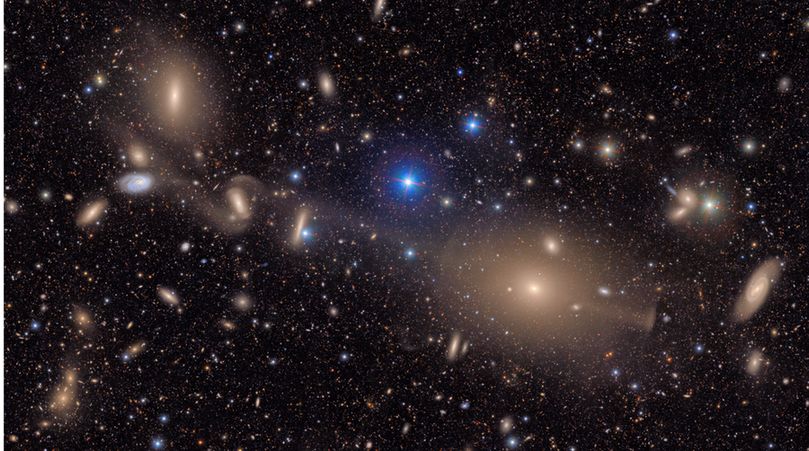
A sprawling, textured field of galaxies scattered across the deep black of space. It is filled with the delicate smudges and glowing cores of galaxies of many shapes, sizes and colors, as well as the bright multi-colored points of stars. The image focuses on a collection of interacting galaxies connected by delicate streams of stars. At top center lies a large elliptical galaxy that is dense and smooth, like a polished stone glowing with golden light. Like delicate spider silk or stretched taffy, these stellar bridges link the large elliptical to the few larger galaxies beneath, evidence of past collisions.
All throughout the image, thousands of galaxies gather in clusters or are spread throughout, like glittering gems strewn on a table. Some are sharp-edged and spiral, like coiled ribbons; others round and diffuse, like polished pebbles. Still others are just smudges of various colors against the black of space. The background is peppered with pinpoint stars in reds, yellows, and blues, crisp against the velvet black.
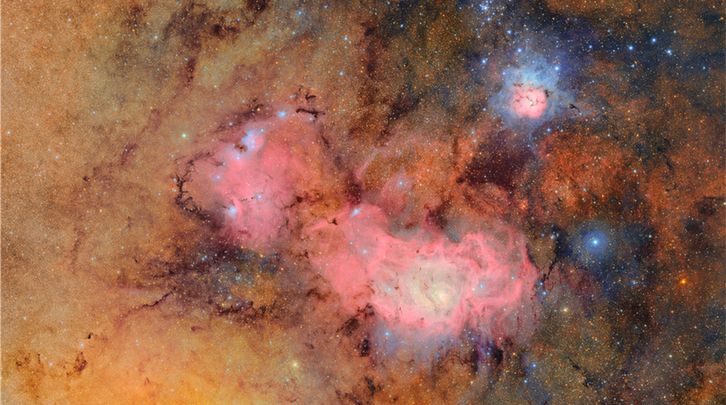
A cosmic tapestry of glowing tan and pink gas clouds with dark dust lanes. In the upper right, the Trifid Nebula resembles a small flower in space. Its soft, pinkish gas petals are surrounded by blue gas, and streaked with dark, finger-like veins of dust that divide it into three parts. It radiates a gentle, misty glow, diffuse and soft like the warmth of breath on a cold hand. To the lower left, the much larger Lagoon Nebula stretches wide like a churning sea of magenta gas, with bright blue, knotted clumps sprinkled throughout where new stars are born. Both nebulae are embedded in a soft tan backdrop of gas that is brighter on the left than on the right, etched with dark tendrils of dust and sprinkled with the pinpricks of millions of stars.
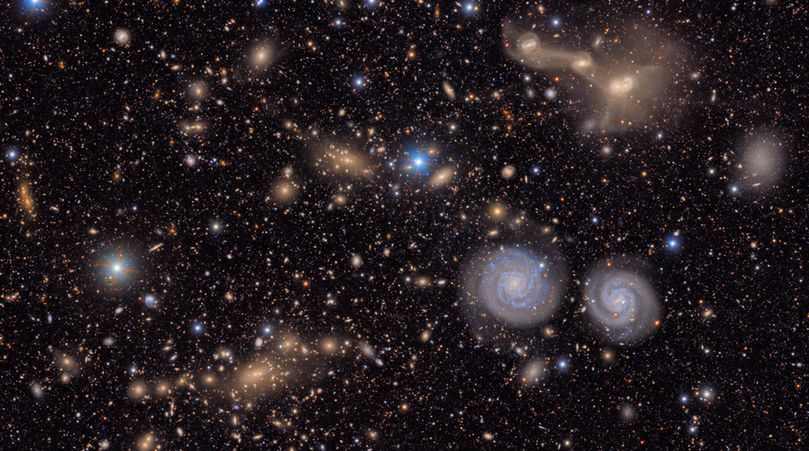
A sprawling, textured field of galaxies scattered across the deep black of space. It is filled with the delicate smudges and glowing cores of galaxies of many shapes, sizes and colors, as well as the bright multi-colored points of stars. To the lower left is a region filled with the hundreds of golden glittering gems of a distant galaxy cluster. In the foreground, below and right of center, two blue spiral galaxies look like eyes beneath the entangled mass of a triple galaxy merger in the upper right. A few bright blue points of foreground stars pierce the glittering tapestry.
All throughout the image, thousands of galaxies gather in clusters or are spread throughout, like glittering gems strewn on a table. Some are sharp-edged and spiral, like coiled ribbons; others round and diffuse, like polished pebbles. Still others are just smudges of various colors against the black of space. The background is peppered with pinpoint stars in reds, yellows, and blues, crisp against the velvet black.
Introducing...your sneak peek at the cosmos captured by NSF–DOE Vera C. Rubin Observatory!
Can you guess these regions of sky?
This is just a small peek...join us at 11am US EDT for your full First Look at how Rubin will #CaptureTheCosmos! 🔭🧪
#RubinFirstLook
ls.st/rubin-first-look-livestream
23.06.2025 04:06
👍 701
🔁 332
💬 22
📌 105

Save-the-date graphic for the worldwide "First Look" at Rubin Observatory first revealed images. Text reads, "Save the date! June 23, 2025. NSF–DOE Rubin Observatory First Look"
🚨 SAVE THE DATE: The world's First Look at images from NSF–DOE Rubin Observatory is coming June 23, 2025! 🔭🧪
Get ready for a preview of how Rubin will soon #CaptureTheCosmos in its decade-long survey 🌌
More details soon—stay up to date at rubinobservatory.org/news/rubin-first-look
23.05.2025 16:10
👍 104
🔁 44
💬 4
📌 18

Do you love space and hot drinks? Or know someone who does? Well, we're selling some merch for the first time, including mugs!
The art is all done by my friend Elena, and it's AMAZING!
Check out all the products here (they ship to most places!): chris-pattison-shop.fourthwall.com/collections/...
09.05.2025 15:16
👍 0
🔁 0
💬 0
📌 0
Does anyone know how fast the Earth moves relative to JWST?
Specifically, in theory, could JWST track Earth, or would it be moving too fast?
Thanks!
19.04.2025 20:34
👍 0
🔁 0
💬 0
📌 0
FIRST SURVEY FROM EUCLID SPACE TELESCOPE RELEASED! | Incredible New Deep Field Images!
YouTube video by Chris Pattison
Astrophysicist, YouTuber and UK #HumanOfEuclid @cosmochris.bsky.social has made a great explainer video talking through today’s new Deep Field images.
Check it out here. ⬇️
19.03.2025 16:39
👍 6
🔁 1
💬 0
📌 0
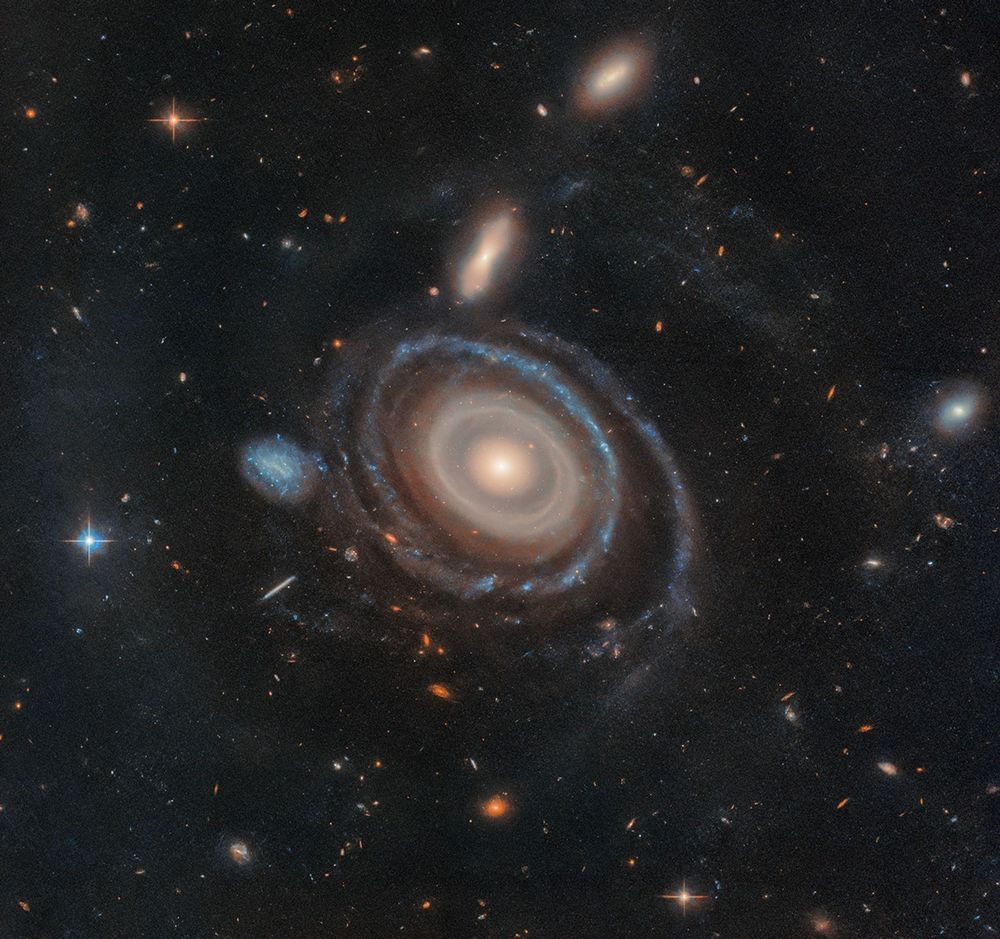
🌌 FRIDAY SPACE🌌
Hubble hits a cosmic bullseye!🎯
This enormous galaxy is called LEDA 1313424. It features a stunning 9 star-filled rings and an arrow through the centre! Beautiful! 🤩
Read more: buff.ly/4hsXm1t
28.02.2025 15:55
👍 2
🔁 0
💬 0
📌 0
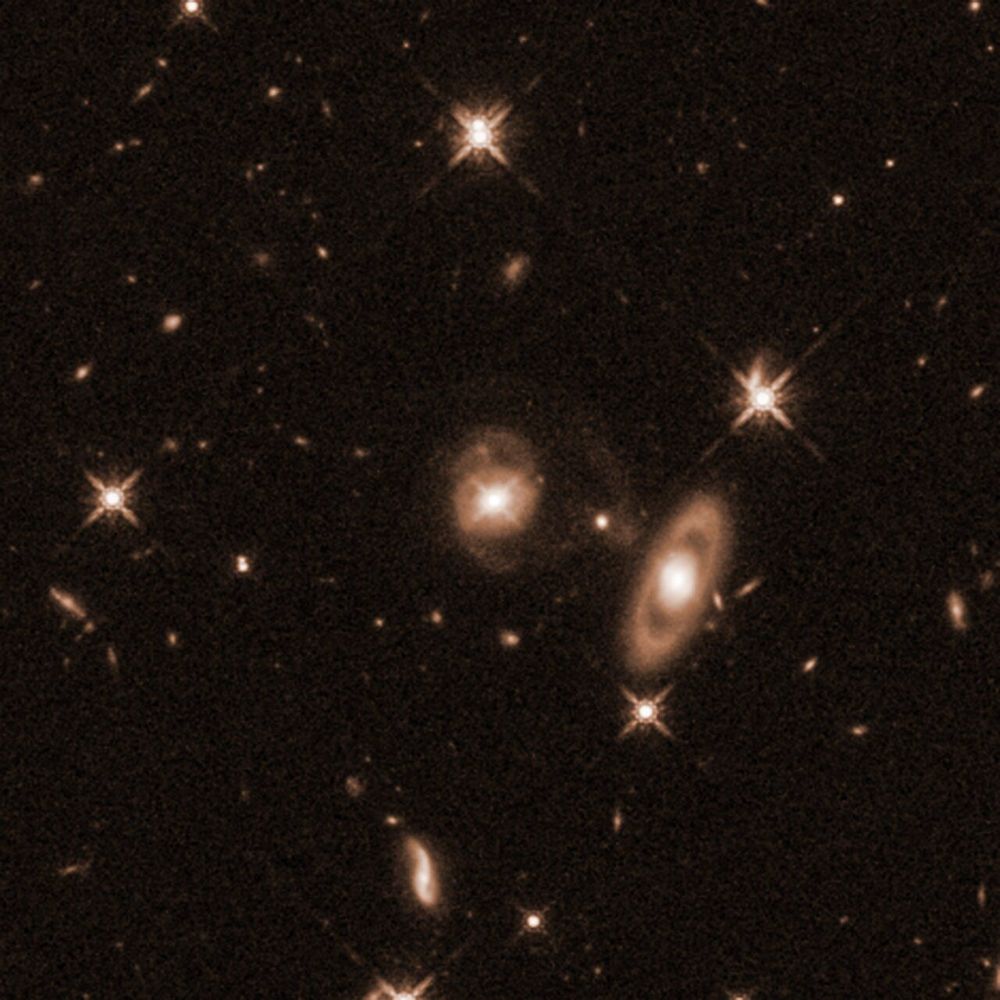
🌌 Monday Space!⭐
A quasar imaged by Hubble!🤩
In the centre we have a supermassive black hole with a bright disk around it, and a newborn jet blasting out from it!
Read more: https://buff.ly/42tNek9
24.02.2025 15:55
👍 2
🔁 0
💬 0
📌 1
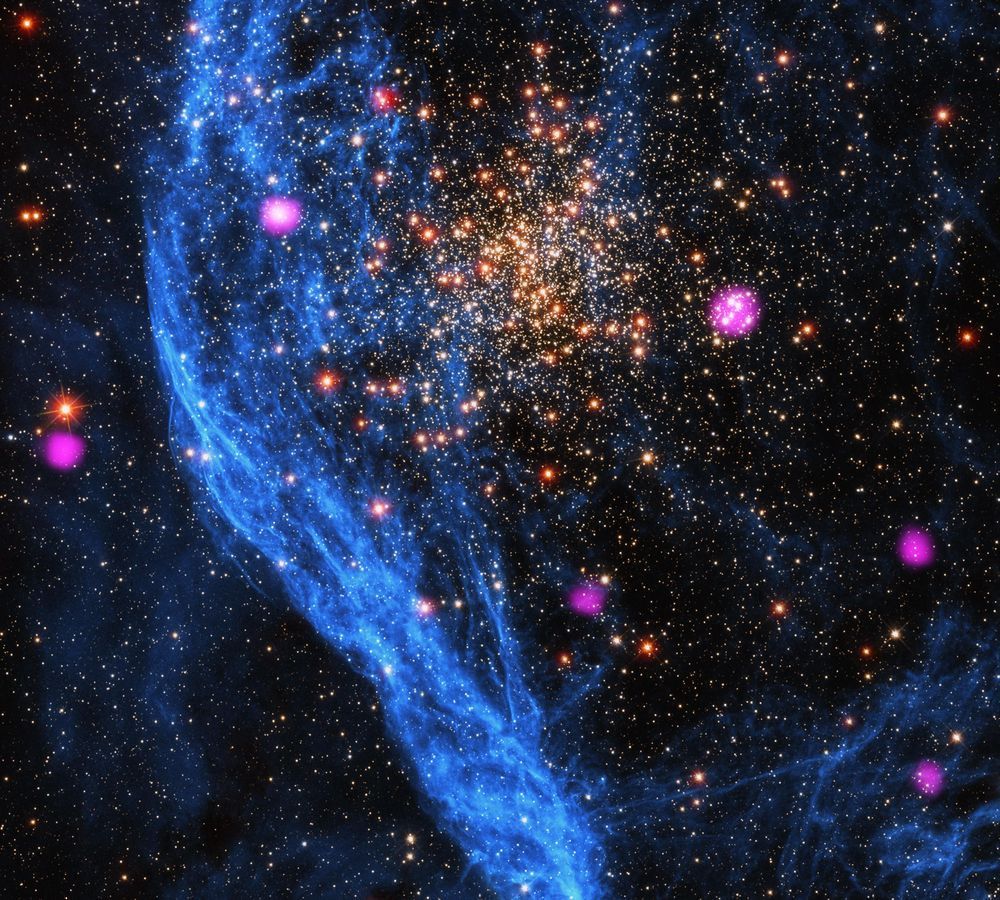
🌌Friday Space! 🌌
A bright double star cluster inside the Large Magellanic Cloud (a satellite dwarf galaxy just outside the Milky Way).
This is NGC 1850, and it's contents include a black hole that has a mass 11 times larger than our Sun!
Also, it's beautiful! 😍
21.02.2025 10:45
👍 1
🔁 0
💬 0
📌 0
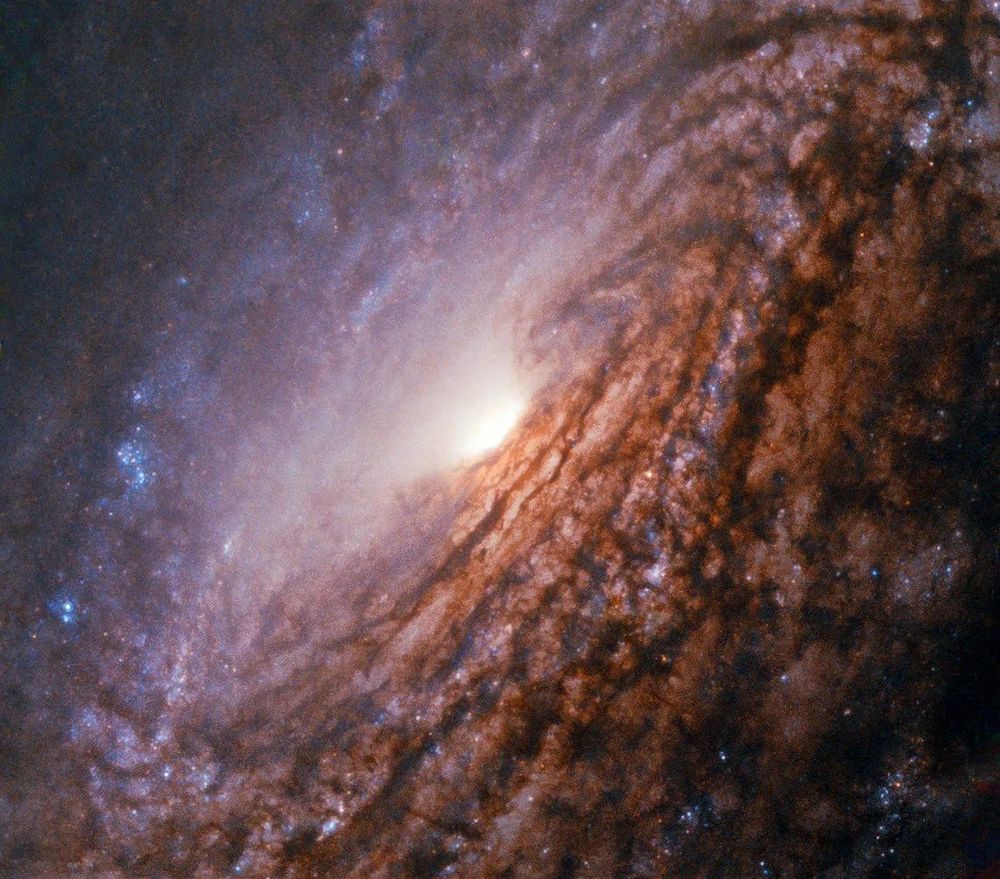
Hubble Sets Sights on a Galaxy with a Bright Heart - NASA Science
This Hubble Space Telescope image shows the unbarred spiral galaxy NGC 5033, located about 40 million light-years away in the constellation of Canes Venatici
🌌 Monday Space⭐
Hubble image of a galaxy with a bright heart!
Check out the beautiful dust lanes and stunning structure in the unbarred spiral galaxy NGC 5033.
This is a wonderful image of an amazing galaxy!
Read moreL https://buff.ly/4aAcasb
17.02.2025 10:45
👍 1
🔁 0
💬 0
📌 0
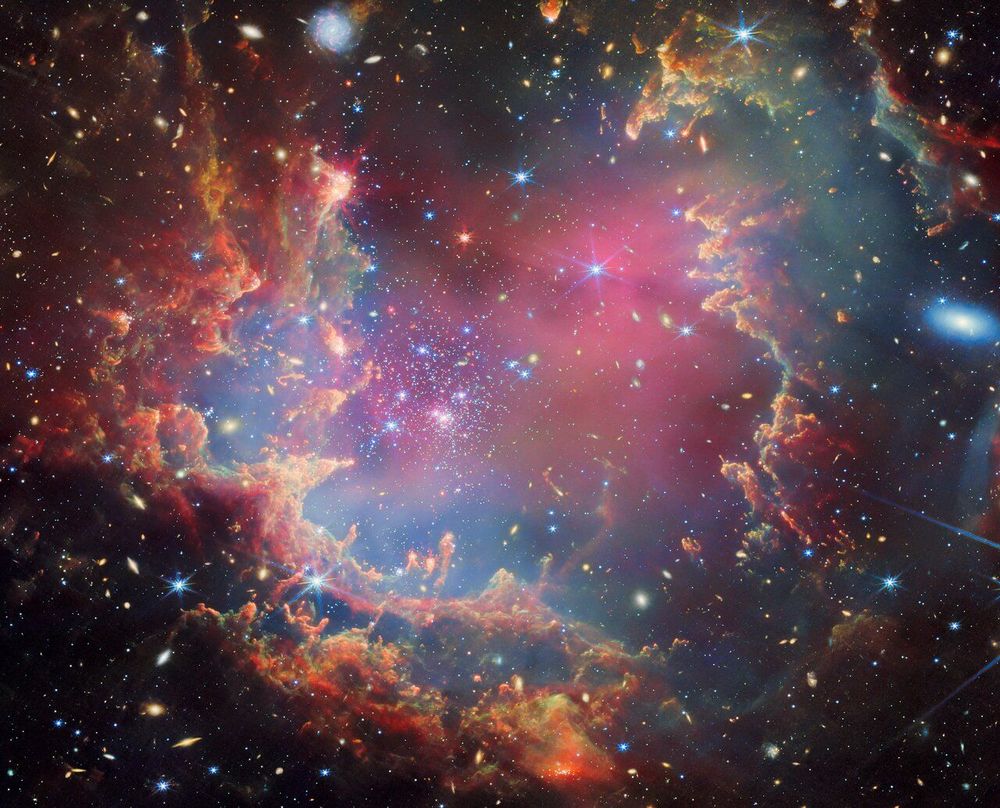
🌌 Friday Space⭐
This is one of my favourite images from JWST😍
This is NGC 602, and I adore the colours and textures we can see in this JWST image!
This is a young star cluster in the outskirt of the Small Magellanic Cloud, just 200,000 ly away.
Read more: https://buff.ly/3PSqZNo
14.02.2025 15:55
👍 12
🔁 4
💬 1
📌 1
How’s this for a Monday morning? 🤩 A team of #HumansOfEuclid discovered an Einstein ring 💍 in nearby galaxy, NGC 6505. Only possible with the unique capabilities of this wonderful telescope!
10.02.2025 10:01
👍 413
🔁 68
💬 8
📌 4

Rocks and sand out to the horizon.
NASA/JPL-Caltech/ASU/Kevin M. Gill
New panorama from the Mars Perseverance Rover showing the terrain beyond Jezero Crater. Taken using MastCam-Z on Sol 1412.
White balanced (below): flic.kr/p/2qL33db
Natural Color: flic.kr/p/2qL33cE
10.02.2025 21:37
👍 201
🔁 49
💬 6
📌 7
Need something to watch on your commute home? @cosmochris.bsky.social breaks down today’s #Euclid discovery ⬇️ 💍
10.02.2025 16:52
👍 6
🔁 2
💬 0
📌 0
If you want to know all about this image, here's a handy video!: youtu.be/BeHzkHkN424
10.02.2025 16:31
👍 5
🔁 1
💬 0
📌 1
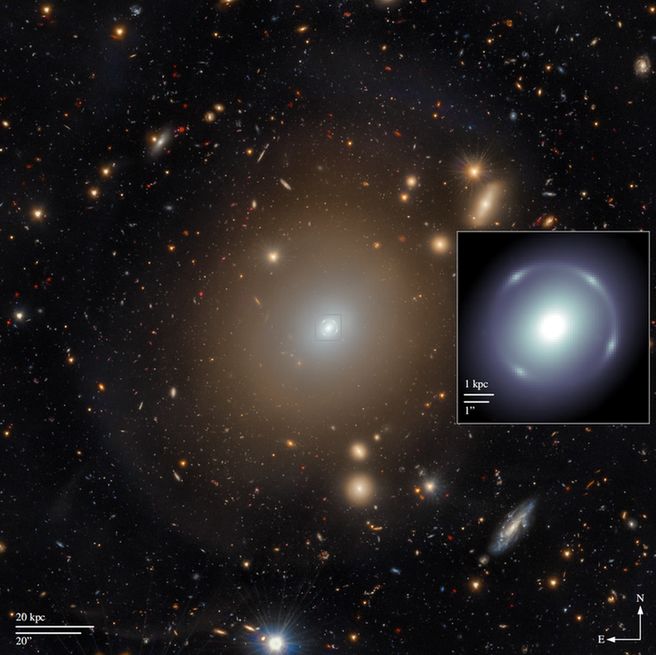
🌌 BRAND NEW SPACE MONDAY🔭
The Euclid Space Telescope has released an image of a nearby galaxy called NGC 6505. In it, they discovered an Einstein Ring, the first one ever seen in an NGC object!
Even more exciting because I work with a lot of the people involved in this discovery! 🤩
Stunning 🌌 😍
10.02.2025 15:55
👍 16
🔁 3
💬 0
📌 1
Euclid finds complete Einstein Ring in NGC galaxy
A space mission to map the Dark Universe
Scientists with #ESAEuclid have discovered an Einstein Ring gravitational lens in a nearby NGC galaxies - something very rare, unexpected, and beautiful. NGC 6505 bends space, turning the image of a background galaxy into a ring.
Read more: www.euclid-ec.org/einstein-rin...
🔭 #space #science
10.02.2025 09:15
👍 39
🔁 10
💬 1
📌 2
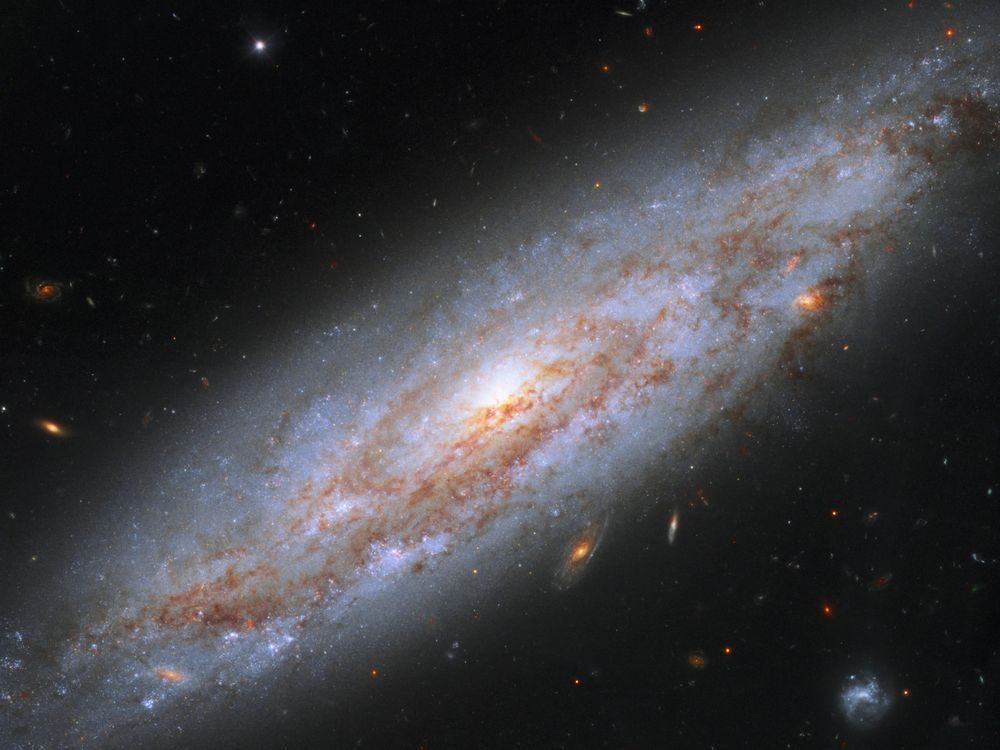
Hubble's Galaxy Full of Cosmic Lighthouses - NASA Science
This enchanting spiral galaxy can be found in the constellation of Ursa Major (the Great Bear). Star-studded NGC 3972 lies about 65 million light-years away
🌌 Friday Space⭐
This is a beautiful galaxy full of pulsing cepheid variable stars, and home to a supernova seen in 2011.
This is NGC 3972 imaged by Hubble, and it's incrediblly pretty😍
Read more:
07.02.2025 15:55
👍 1
🔁 0
💬 0
📌 0
It was amazing Sophie, well done! 🌌
05.02.2025 22:35
👍 2
🔁 0
💬 1
📌 0
First up, you can have a go at driving our very own mini Mars rover!
Look at those wheels! 😍
#PompeyStargazing #Stargazing
05.02.2025 18:41
👍 3
🔁 0
💬 0
📌 0
Tonight we're hosting Stargazing at Portsmouth Historic Dockyard!
I'll try and live-post as many of the awesome space-themed activities we have on offer as I can!
Follow along to see them all! #PompeyStargazing #Stargazing
05.02.2025 18:38
👍 3
🔁 0
💬 1
📌 0
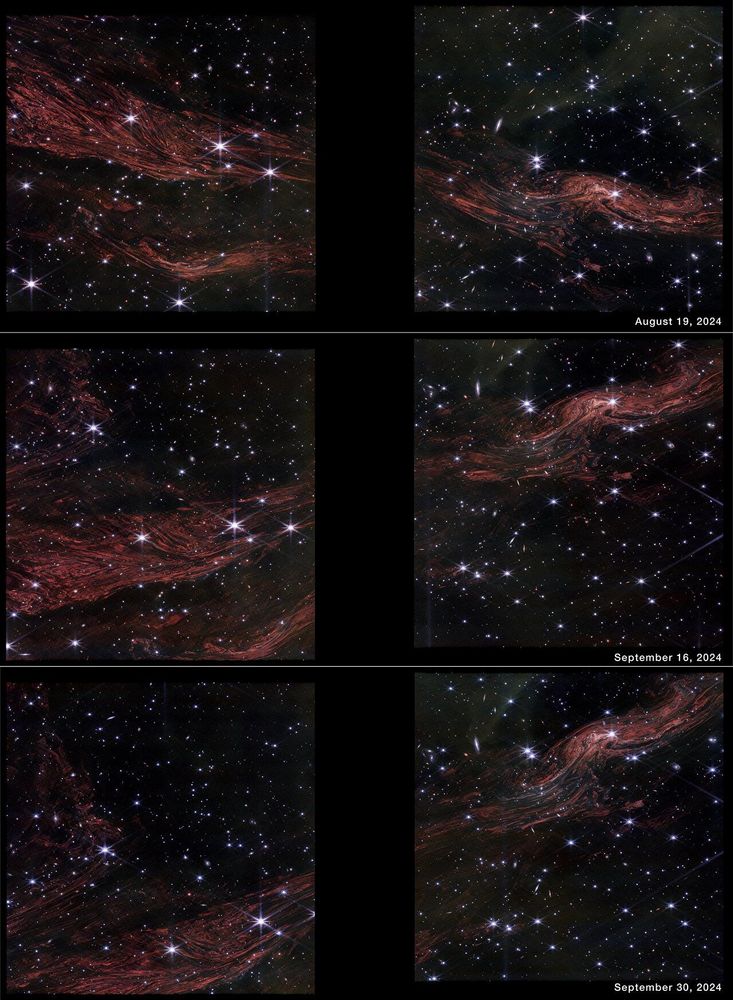
Light echoes near Cassiopeia A
Light echoes near Cassiopeia A
🌌 Monday Space⭐
Start your week by checking out these beautiful, shimmering cosmic curtains!
This is a "light-echo", glowing gas that was heated up by a supernova called Cassiopeia A.
Read more:
03.02.2025 15:55
👍 1
🔁 0
💬 0
📌 0
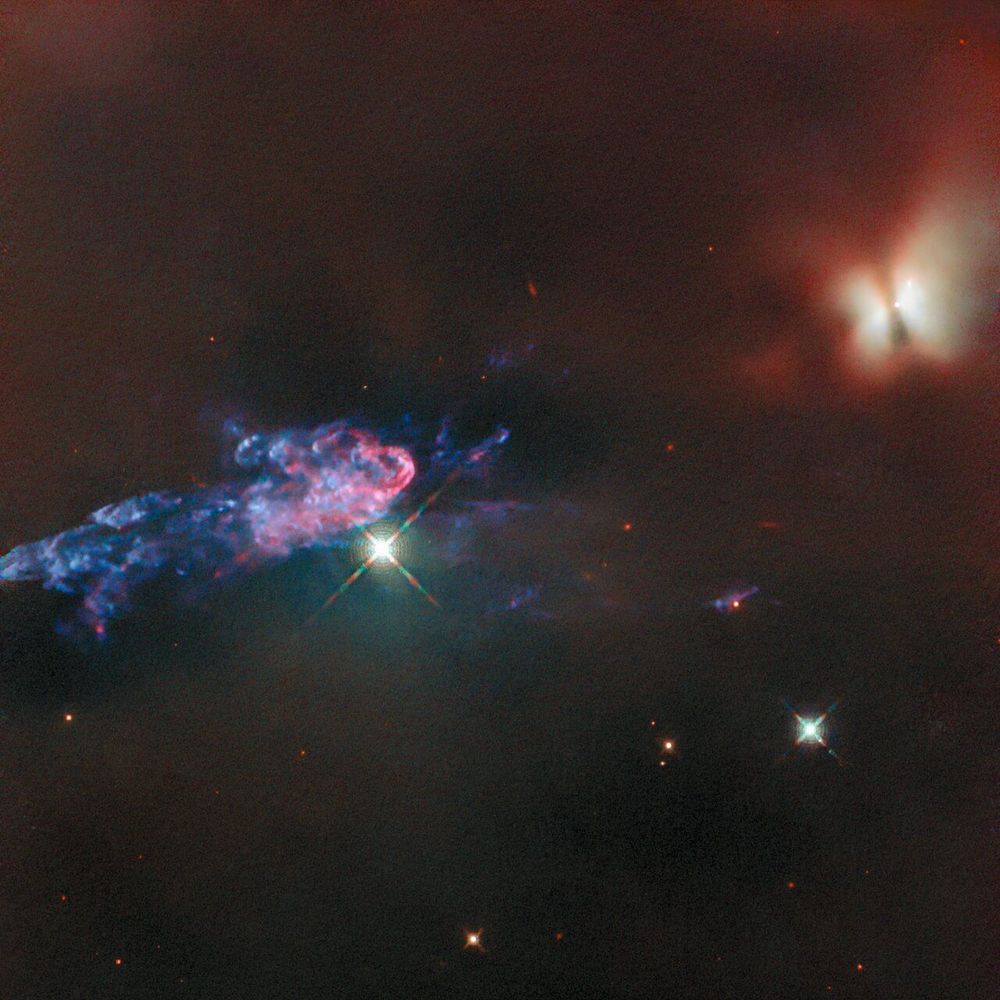
🌌 Friday Space! ⭐
This is a Hubble image of the dusty Orion Nebula.
It's just 1,300 light-years away, and the nebula is visible with the naked eye, below the three stars in Orion's belt.
It won't look like this though, we need Hubble to see it so clearly!
Read more: https://buff.ly/3PNldN7
31.01.2025 15:55
👍 4
🔁 0
💬 0
📌 0
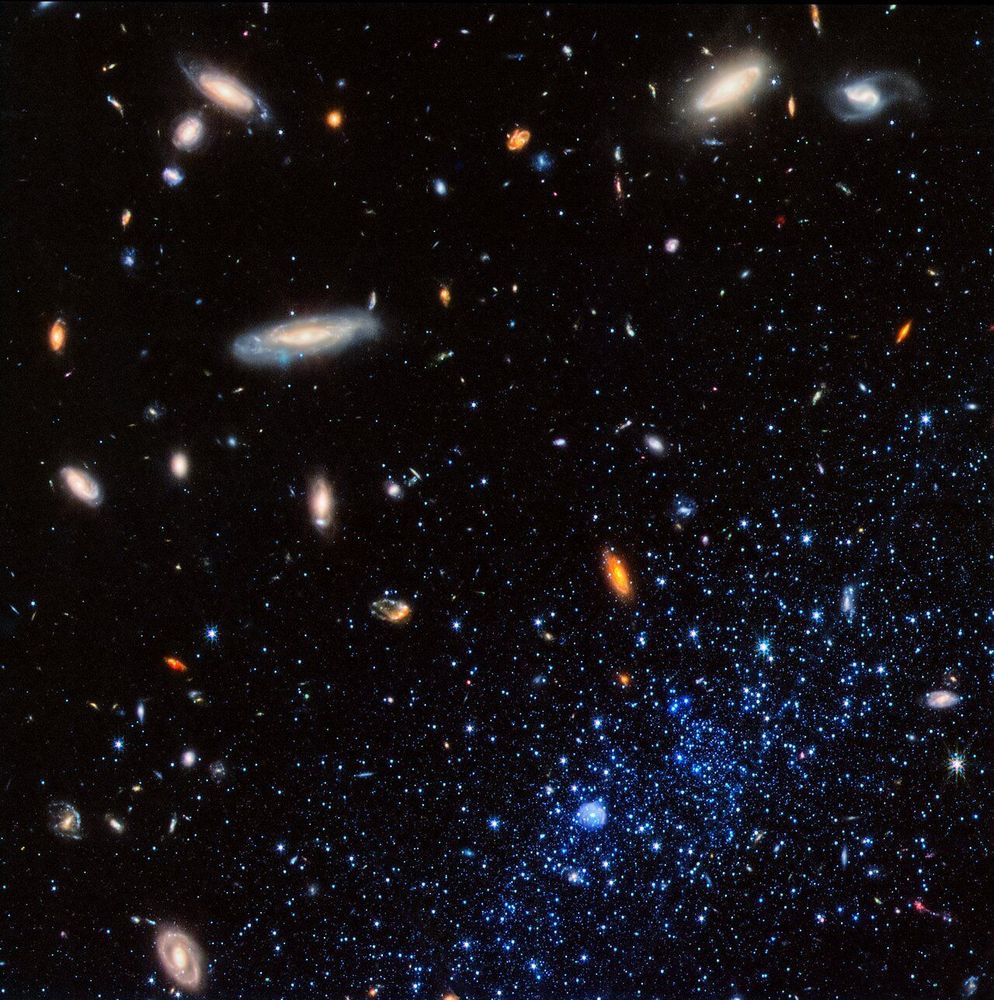
The first Monday Space picture 😍
This is the Leo P dwarf galaxy, imaged by JWST!
It's a star-forming galaxy, 5 million light years away, part of which is shown in blue in the lower right!
The colours, structures and shapes here are stunning, I love it!
Read more here: https://buff.ly/40YbVEt
27.01.2025 15:55
👍 4
🔁 0
💬 0
📌 0
I want to start using BlueSky more!
To this end, I'll be using this channel to post space pictures I love or that are new every week, on Mondays and Fridays! Start and end you week with a beautiful view of the cosmos!
Follow along to see the best pictures of the universe that I can find! 🔭 🌌 🤩
27.01.2025 10:45
👍 9
🔁 1
💬 0
📌 0
I am an astronomer/astrophysicist that mainly works on the Euclid Space Telescope, and I make YouTube video explaining astro topics to the general public :)
23.11.2024 23:00
👍 0
🔁 0
💬 1
📌 0
Yes
23.11.2024 22:53
👍 0
🔁 0
💬 1
📌 0