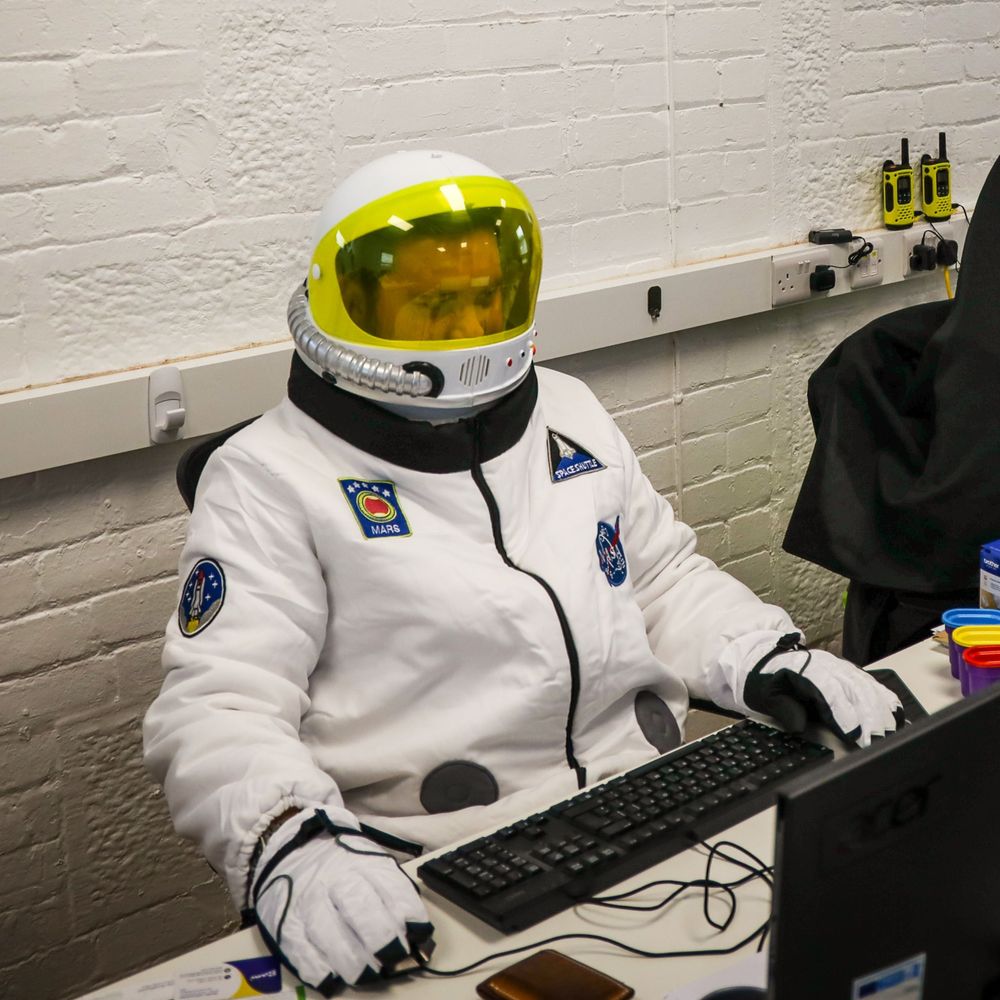
SpaDeX is awesome. India's space progress is a signpost for how much change we are about to see. SpaDeX following Chandrayaan-4 w/ autonomous docking @ 0.22mph = ISRO manned mission soon I expect. 🚀 🛰️
30.12.2024 21:07
👍 1
🔁 0
💬 0
📌 0

This is really interesting. Pairs well with cost reduction curve solar has achieved. Expect infrastructure will pose biggest threat to that trajectory.
08.05.2024 12:41
👍 5
🔁 1
💬 0
📌 0
Not a problem just a striking contrast versus the typical renewable adoption we have seen in post-gas transition nations.
The opportunity is better grid infrastructure and storage.
25.01.2024 16:26
👍 0
🔁 0
💬 0
📌 0
Per IEA India will add electricity demand equal to total UK system in next 3 years. 50% will come from renewables. The other 50% will come from coal. Yes coal!
This dichotomy is brutal. 🔌💡
25.01.2024 15:58
👍 0
🔁 0
💬 0
📌 0
Coal: 1,000g CO2/kWh (IEA)
Gas: 500g CO2/kWh (IEA)
Bio (transatlantic): 300g CO2/kWh (E4Tech)
☀️ Solar: 50g CO2/kWh (IEA)
Bio boasts, but shipping eats up savings. Let's choose wisely!
🔌💡
20.01.2024 18:13
👍 2
🔁 1
💬 0
📌 0


LiNa's first industrial pilot is online. Great to see our sodium battery energy storage cycling on the Indian grid - paving the way for economic load shifting and reduced coal usage. 🔌💡
15.01.2024 19:05
👍 4
🔁 0
💬 0
📌 0

Congratulations to ISRO for the successful launch of XPoSat on PSLV-C58, marking a milestone as India's first X-Ray Polarimeter Satellite launch - it will study the alignment of X-ray light waves from celestial sources.
Black hole/ neutron star insights inbound. 🛰️
01.01.2024 17:52
👍 1
🔁 0
💬 0
📌 0
Reflecting on my COP28: Endless queue of energy storage companies want to invest billions in gigawatt-scale beyond-lithium storage in West. If one fails, another steps up.
Meanwhile in Global South, absence of affordable practical solutions means that as the sun sets, coal and oil reign supreme.🔌💡
11.12.2023 22:21
👍 1
🔁 2
💬 0
📌 0

In a surprising turn of events, India returned the Chandrayaan-3 propulsion module to Earth orbit. The module had been in lunar orbit since August, but ISRO unexpectedly decided to bring it back to test technologies for a future lunar sample return mission. 🛰️
www.isro.gov.in/Ch3_Propulsi...
06.12.2023 05:24
👍 3
🔁 0
💬 0
📌 0

Busy 2 days at COP28 representing UK cleantech. Clear that the technologies we need tomorrow are already being developed, but we need better ways to bridge the gap between innovation and deployment.
Tired of chasing shiny new things.
Let's focus on making existing cleantech work!
06.12.2023 04:05
👍 2
🔁 1
💬 0
📌 0

Must-read for cleantech execs: "Climate Capitalism" is a practical roadmap to scaling and commercializing cleantech solutions, backed by real-world case studies.
02.12.2023 19:03
👍 6
🔁 0
💬 1
📌 0
Subtlety lies in the emissions accounting: AUS's on track to beat its 'emission budget' despite not fully meeting the 43% reduction target. But shift from 40% to 42% reduction projection in good signal to improving climate response though. Targets are crucial. Journey to them is equally telling.
25.11.2023 19:50
👍 0
🔁 0
💬 0
📌 0

Flashback to the 1980s: The ZEBRA sodium battery cell. This often overlooked gem laid the groundwork for LiNa's cutting-edge technology. Leveraging proven, yet forgotten innovations can fast-track tech development. A nod to the past, powering our future. 🔌💡
24.11.2023 20:29
👍 2
🔁 0
💬 0
📌 0

The Oil and Gas Industry in Energy Transitions – Analysis - IEA
The Oil and Gas Industry in Energy Transitions - Analysis and key findings. A report by the International Energy Agency.
2030: A pivotal year per IEA - oil demand can peak. Having been both sides (oil & gas now clean tech) I see a clear chance for the industry to scale innovative solutions. Need to think beyond lab... time for collaboration and investment to deploy great solutions. COP28.
www.iea.org/reports/the-...
24.11.2023 20:23
👍 1
🔁 3
💬 0
📌 0

Me and my crew launching our own living room space program with the help of Starship. 👨🚀🧑🚀🧑🚀🐶🚀
🛰️
18.11.2023 13:38
👍 1
🔁 0
💬 0
📌 0

And they called it 'FatBoi 1'... 2.5 kWh module of LiNa sodium batteries ready for install. Go deeptech!
17.11.2023 17:11
👍 0
🔁 0
💬 0
📌 0


Cells, cells, cells. Module build day at the LiNa Engineering Dept. 🧂🔋
17.11.2023 12:23
👍 0
🔁 0
💬 0
📌 0
Thanks for sharing. Very easy to convince yourself to take on 'time-debt' i.e. sacrificing how I want to spend my time today, in pursuit of a better balance tomorrow.
17.11.2023 10:33
👍 1
🔁 0
💬 1
📌 0
Couldn't agree more. Strong believer that climate-tech targeting developing markets will see huge impact figures. Skip the gas transition and coal-gas carbon arbitrage is huge.
16.11.2023 20:17
👍 0
🔁 0
💬 0
📌 0
Yes! Using CSP as heat makes sense (similar to keeping thermal storage as heat). Projects falls apart when converting heat to electricity as existing heat engines are limited to adiabatic processes - large, expensive, and inefficient, rendering them impractical for most power grids and generators.🔌💡
16.11.2023 20:13
👍 0
🔁 0
💬 0
📌 0

Deep-tech is a cosmic game of Whac-A-Mole — we constantly hammer away at the unknown, and it's only when you step back that you realize you've actually built a constellation. Team LiNa assembling our first product-scale Sodium BESS for install in Dec. 🔌💡
16.11.2023 14:47
👍 1
🔁 0
💬 0
📌 0
I will be there - as you say - looking forward to meaningful conversations.
16.11.2023 14:02
👍 1
🔁 0
💬 0
📌 0

'India, I reached my destination and you too!' Great to watch Chandrayaan-3 make soft-landing live from Mumbai Airport. Yay for progress! 🛰️
23.08.2023 13:19
👍 6
🔁 1
💬 0
📌 0


India's Chandrayaan-3 spacecraft undergoes another maneuver, comes even closer to Moon's surface. The spacecraft is now in a near-circular orbit of 150 km x 177 km, and is expected to make a soft landing on the south polar region of the Moon on Aug. 23. 🛰️
15.08.2023 09:51
👍 2
🔁 0
💬 1
📌 0

India's Chandrayaan-3 mission successfully entered lunar orbit on Aug 2, 2023. The spacecraft is now on its way to the south pole of the Moon, where it will attempt to land on Sep 7. Chandrayaan-3 is the third lunar mission by India, and its goal is to study the Moon's surface and its environment. 🛰️
06.08.2023 20:44
👍 5
🔁 1
💬 0
📌 2
Thankfully Voyager 2 is programmed to reset its orientation multiple times each year to keep its antenna pointing at Earth. The next reset is due on 15 October.
01.08.2023 20:38
👍 8
🔁 0
💬 1
📌 0