
#scicomm #conservation #consgen #popgen 🌎🦤
08.01.2026 01:48
👍 0
🔁 0
💬 0
📌 0
#scicomm #conservation #consgen #popgen 🌎🦤
Whether you’re a scientist, practitioner, or community leader, we encourage you to contribute your insights and help shape the conversation on how we protect one of Australia’s most iconic yet vulnerable species.
🔗 Submit your abstract here: koalaconservationaustralia.org.au/pages/koala-...
📌 Abstracts (500 words or less) can showcase new research findings, applied science, evidence-based conservation initiatives, and real-world case studies that contribute to the future of koala conservation.
👉 Deadline for submissions: 31 March 2026
We invite oral and poster presentation submissions across a range of themes, including:
- Koala health and disease
- Habitat, ecology & landscape management
- Indigenous knowledge & culturally informed conservation
- Rescue, rehabilitation and welfare
- Breeding, translocation and genetic management
🐨 Call for Abstracts — 2026 National Koala Conference 📝
We’re thrilled to open the Call for Abstracts for the upcoming 2026 National Koala Conference: From Challenges to Solutions — Advancing Koala Conservation Through Innovation!
📅 20–22 July 2026
📍 Sails by Rydges - Port Macquarie, NSW

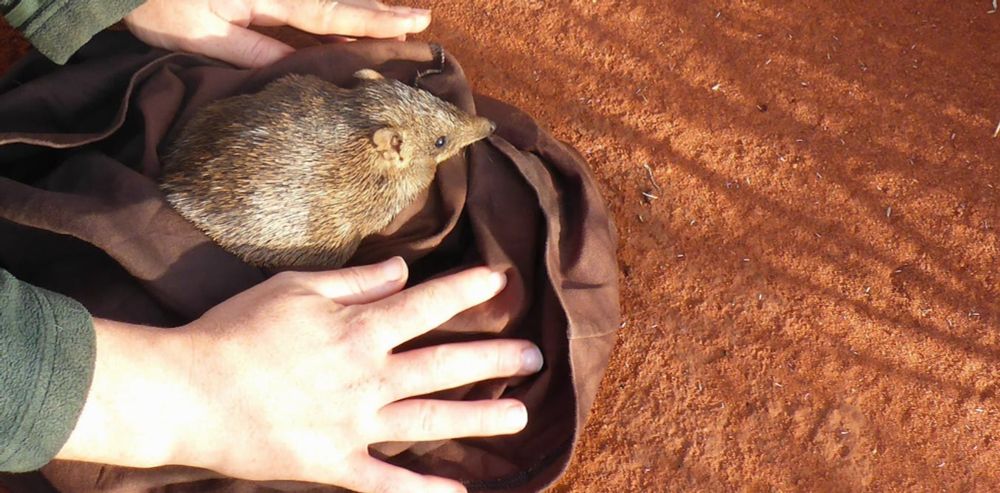
The orange-bellied parrot is predicted to go extinct by 2038. We tracked >200 years of genomic erosion. Here’s what we found 🧬🦜 #ConservationGenomics #consgen #popgen
onlinelibrary.wiley.com/doi/10.1111/...
pic by Marc Gardner

"Conservation strategies designed to improve environmental conditions, increase population growth rates and introduce new individuals (for example, restoring connectivity or performing translocations) may maintain or even increase genetic diversity"
www.nature.com/articles/s41...

Nature research paper: Global meta-analysis shows action is needed to halt genetic diversity loss
https://go.nature.com/40FHZeC
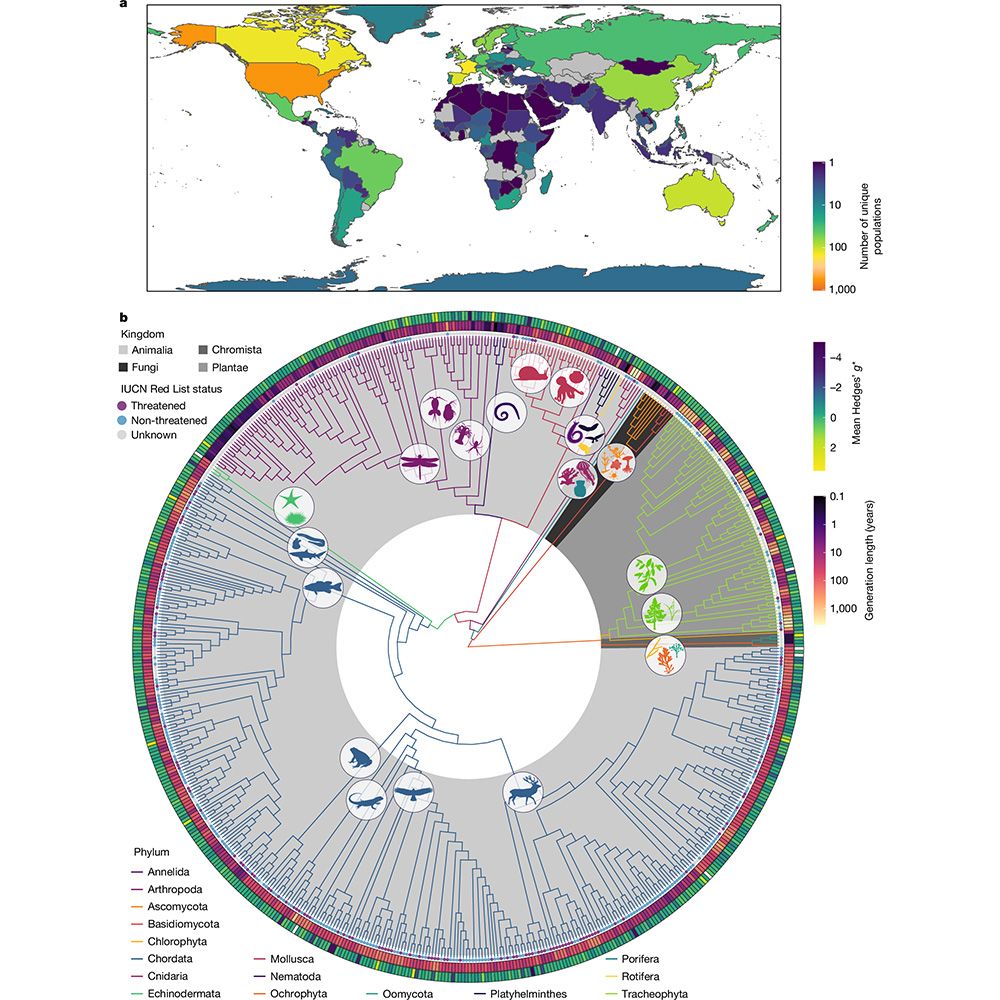
This is figure 1, which shows a summary of the systematic review dataset.
Genetic diversity has declined within two-thirds of more than 600 species over the past three decades, according to research published in Nature. The findings highlight the need for conservation efforts to prevent genetic diversity loss. https://go.nature.com/42EpVo5 🧪

Source: https://www.nature.com/articles/s41586-024-08458-x#Sec16
@nature.com article shows global decline of genetic diversity +also that we have tools 2 protect+support genetic biodiversity
👉 the associated policy briefs:
www.coalitionforconservationgenetics.org/resources-da...
@coalitioncongen.bsky.social
@cgsg.bsky.social
@ninanatureresearch.bsky.social
And a note to all authors in #consgen and #evolution: REPORT your standard errors, variance or confidence intervals in the papers for every summary stat that you provide!
In the meta-analyses we had to skip thousands of papers for this reason.

How can we maintain genetic diversity? another popluar Science Article in @theconversation.com referring to our meta-analysis #consgen 🦤🌏🧪 by @cegrueber.bsky.social , @robynshaw.bsky.social @katefarquharson.bsky.social
theconversation.com/gene-pools-a...

Genetic diversity is being lost across many species – especially birds and mammals. But you can help stop the decline.
🌍Global study on 600+ species reveals an alarming decline in genetic diversity🧬
But there's hope: we have the tools and conservation strategies to prevent further decline - if we act now.
Read the paper by following the links below⬇️
#Biodiversity #GeneticDiversity #Conservation
Checkout our @aunz.theconversation.com article for 5 strategies that can help safeguard #GeneticDiversity for resilient populations
🧬🐸🌲🦅🦒🍄🐝🐠
An analysis of published data reveals how genetic diversity has been changing in populations of 622 terrestrial and marine species and the effectiveness of different types of intervention to boost genetic diversity
https://go.nature.com/3CwUUaN
Thank you Jente, a huge team effort from all!
We’ve also created a 2-page policy brief for anyone wanting to learn more about conserving #GeneticDiversity- available in 14 languages (and more to come)! Follow the link below ⬇️
url.au.m.mimecastprotect.com/s/uWHeC71Zo8...
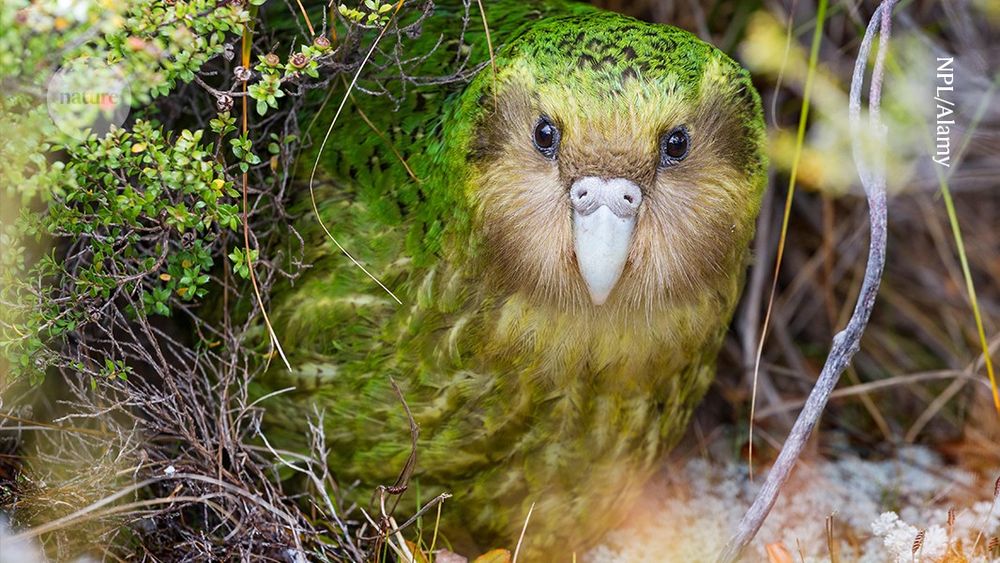
It’s not all doom and gloom! We show in @nature.com that genetic diversity is in decline, but in @theconversation.com we dive into five strategies to help maintain or restore biodiversity @robynshaw.bsky.social @katefarquharson.bsky.social
theconversation.com/gene-pools-a...
🧪🌍🦤🧬 #consgen #popgen
Wow, what a long way we have come! I’ll miss our weekly evening/morning meetings!
Thank you Frank for your hard work over the many years!
So excited to share our Nature paper jointly led by @robynshaw.bsky.social and I with the huge support of our amazing & dedicated collaborators! We screened >80,000 papers to examine trends in genetic diversity across the 🌳 of life and identify conservation strategies to make a positive difference
Our global meta-analysis of changes in genetic diversity across the entire tree of life indicates pervasive loss of intraspecific diversity, but there is a glimmer of hope: conservation actions and management interventions can indeed make a difference. 👇

Our long term project has finally been published - genetic diversity is lost worldwide, but we can also make a difference and conservation actions matters.
Find out more in the Science news here
www.science.org/content/arti...
#Consgen
Congratulations to @robynshaw.bsky.social, @cegrueber.bsky.social, and too many other friends to list here on this important paper in @nature.com on the global extent of genetic diversity loss. It was a pleasure discussing it w/ Elizabeth Pennisi from @science.org.
www.science.org/content/arti...

Genetic diversity is being lost across the globe. Conservation efforts are helping
->The Independent | #Conservation | More info from EcoSearch

We are in a crisis and we need to act urgently. The IPBES Nexus Assessment is an assessment provides a blueprint for how we can identify shared problems and shared values to achieve just and sustainable futures for people and nature.
Today sees the launch of the IPBES #NexusAssessment, a landmark global assessment of the interlinked crises of biodiversity loss, climate change, health, food and water.
But what does it mean?
Read on to hear from @carolinehowe.bsky.social (our new Vice President) & @sebdunnett.bsky.social
🌍🧪
Mass bleaching of corals on the Great Barrier Reef in early 2024 was the most severe and most widespread yet recorded - surpassing 1998, 2002, 2016, 2017, 2020 & 2022.
The overall mortality rate this year will exceed the 30% loss in 2016. www.nature.com/articles/s41...
Yes please!

I’ve always enjoyed this example in the Leon springs pupfish: onlinelibrary.wiley.com/doi/10.1111/...