Halobacteriovorax halts disease progression in endangered Caribbean corals
Abstract. Predation is a top-down regulator of ecosystem integrity and a key driver of community structure and evolution in plants and animals. Despite our
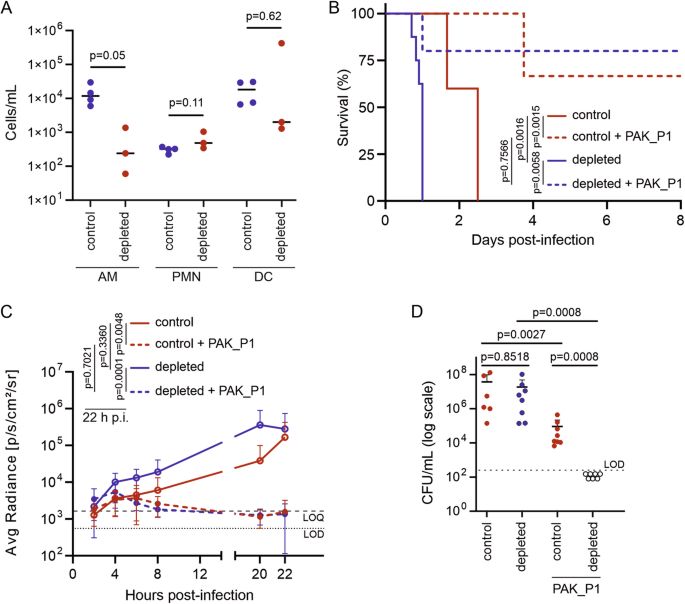
A bacterial predator, Halobacteriovorax, acts as a living "probiotic" that halts Vibrio-induced disease progression in endangered Caribbean corals. This shows microbial predators are promising new tools for coral disease therapy! #CoralReefs #MicrobialEcology #ISMEJ academic.oup.com/ismej/advanc...
16.12.2025 16:41
👍 6
🔁 5
💬 0
📌 0
PNAS
Proceedings of the National Academy of Sciences (PNAS), a peer reviewed journal of the National Academy of Sciences (NAS) - an authoritative source of high-impact, original research that broadly spans...
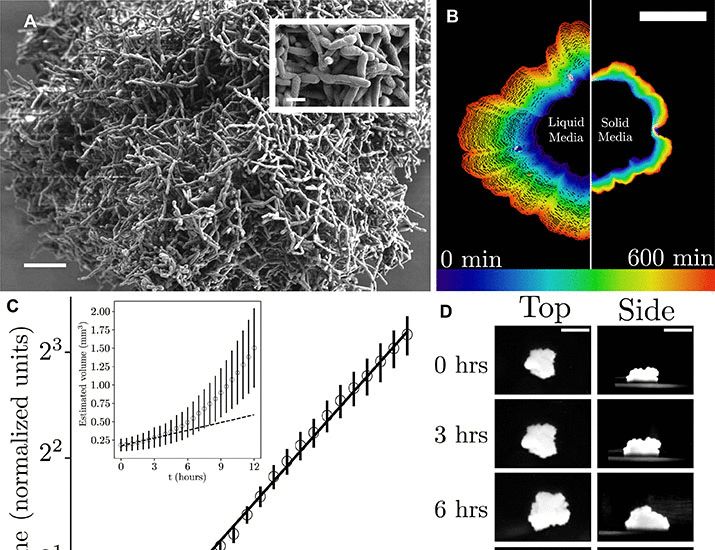
Vibrio cholerae builds its protective biofilm using GluP. This glutamate-binding protein is key to maintaining biofilm architecture and coordinating growth/nutrient acquisition. Blocking GluP could disrupt transmission! #Microbiology #PNAS www.pnas.org/doi/10.1073/...
16.12.2025 16:40
👍 0
🔁 0
💬 0
📌 0
The study evolved Escherichia coli under constant glucose limitation for ≥300 generations and identified 39 genes repeatedly mutated, many regulatory factors, revealing structural protein constraints. bmcbiol.biomedcentral.com/articles/10....
17.11.2025 15:45
👍 0
🔁 0
💬 0
📌 0

Genetic predisposition towards multicellularity in Chlamydomonas reinhardtii
In Chlamydomonas reinhardtii, multicellularity evolved under predation but not settling selection. Only certain genotypes gave rise to multicellular forms, showing both deterministic and random factors shape this transition. academic.oup.com/gbe/advance-...
19.05.2025 14:22
👍 1
🔁 1
💬 0
📌 0

Antimicrobial Agent Trimethoprim Influences Chemical Interactions in Cystic Fibrosis Pathogens via the ham Gene Cluster
The fungus Aspergillus fumigatus and the bacterium Burkholderia cenocepacia cause fatal respiratory infections in immunocompromised humans and patients with lung disease, such as cystic fibrosis (CF). In dual infections, antagonistic interactions contribute to increased mortality. These interactions are further altered by the presence of antimicrobial and antifungal agents. However, studies performed to date on chemical interactions between clinical B. cenocepacia and A. fumigatus have focused on pathogens in isolation and do not include the most abundant chemical signal, i.e., clinically administered therapeutics, present in the lung. Here, we characterize small molecule-mediated interactions between B. cenocepacia and A. fumigatus and their shift in response to trimethoprim exposure by using metabolomics and mass spectrometry imaging. Using these methods, we report that the production of several small-molecule natural products of both the bacteria and the fungus is affected by cocultivation and exposure to trimethoprim. By systematic analysis of metabolomics data, we hypothesize that the B. cenocepacia-encoded ham gene cluster plays a role in the trimethoprim-mediated alteration of bacterial–fungal interactions. We support our findings by generating a genetically modified strain lacking the ham gene cluster and querying its interaction with A. fumigatus. Using comparative analyses of the extracts of wild-type and knockout strains, we report the inactivation of a bacterially produced antifungal compound, fragin, by A. fumigatus, which was verified by the addition of purified fragin to the A. fumigatus culture. Furthermore, we report that trimethoprim does not inhibit fungal growth, but affects the biochemical pathway for DHN-melanin biosynthesis, an important antifungal drug target, altering the pigmentation of the fungal conidia and is associated with modification of ergosterol to ergosteryl-3β-O-l-valine in coculture. This study demonstrates the impact of therapeutics on shaping microbial and fungal metabolomes, which influence interkingdom interactions and the expression of virulence factors. Our findings enhance the understanding of the complexity of chemical interactions between therapeutic compounds, bacteria, and fungi and may contribute to the development of selective treatments.
Trimethoprim alters metabolite production in B. cenocepacia and A. fumigatus, affecting interkingdom interactions, antifungal activity, and fungal pigmentation, revealing how therapeutics reshape microbial chemistry and virulence expression. pubs.acs.org/doi/10.1021/...
19.05.2025 14:20
👍 0
🔁 0
💬 0
📌 0