This is a paper I am super proud of, long in the making, packed with important concepts. It was old data and n=1 (most stronge claims backed with patients), metastatic clones are endowed with plasticity to adapt to multiple organ environments.
27.01.2026 15:10
👍 4
🔁 1
💬 0
📌 0

Celebrating Christina Curtis and her well-deserved Paul Marks Prize! Some tumors are born bad. Christina uses math to find them early, predict their paths, and outsmart them. A win for cancer biology and for MSK to cheer.
05.12.2025 12:13
👍 15
🔁 0
💬 0
📌 0

Cycle for Survival
Join the ride today!!!
My lab shows up every day to take on the rare cancers. Now we’re getting on the bikes together for Cycle for Survival. Every gift is matched (yes, doubled!), and 100% goes to rare cancer research at MSK—where rare cancers are our daily reality and the science moves the needle. bit.ly/3Y1m4xx
02.12.2025 16:40
👍 6
🔁 0
💬 0
📌 0

Meet the keynote speakers for the 2025 scverse conference!
John Marioni, Head of Computation at Genentech Research and Early Development and former head of EBI
🧵
#scverse #scverse2025 #AI #DrugDevelopment #MachineLearning #ComputationalBiology #Biotech #Pharma #Genentech
30.10.2025 15:18
👍 4
🔁 1
💬 1
📌 0

@jengreitz.bsky.social l & my lab want to co-hire a computational biologist/biostatistician with project management expertise to help map the regulatory code of the human genome and discover genetic mechanisms of disease.
Details below
careersearch.stanford.edu/jobs/computa...
Plz RT
19.08.2025 00:29
👍 54
🔁 59
💬 1
📌 1
We had many hundreds of applications for that position... Sorry
12.08.2025 21:09
👍 0
🔁 0
💬 0
📌 0
thank you!
07.08.2025 10:10
👍 0
🔁 0
💬 0
📌 0
A great read for anyone interested in perturbations and cell-fate decisions. Top notch work.
06.08.2025 16:59
👍 20
🔁 3
💬 0
📌 0
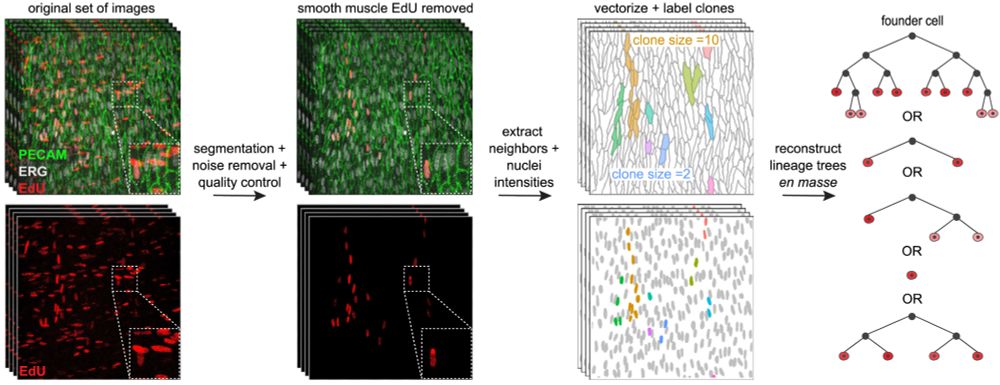
Excited to share our paper on deciphering the design & control principles of tissue scaling w/ Luisa Arispe! Amazing work by co-first authors Danielle Pi and Jonas Braun. We show *differentiated* endothelial cell proliferate in waves with ultrafast cell cycle time of ~5h
www.cell.com/cell-systems...
07.07.2025 17:27
👍 39
🔁 13
💬 0
📌 1
This is brilliant!
28.07.2025 22:38
👍 11
🔁 1
💬 0
📌 0
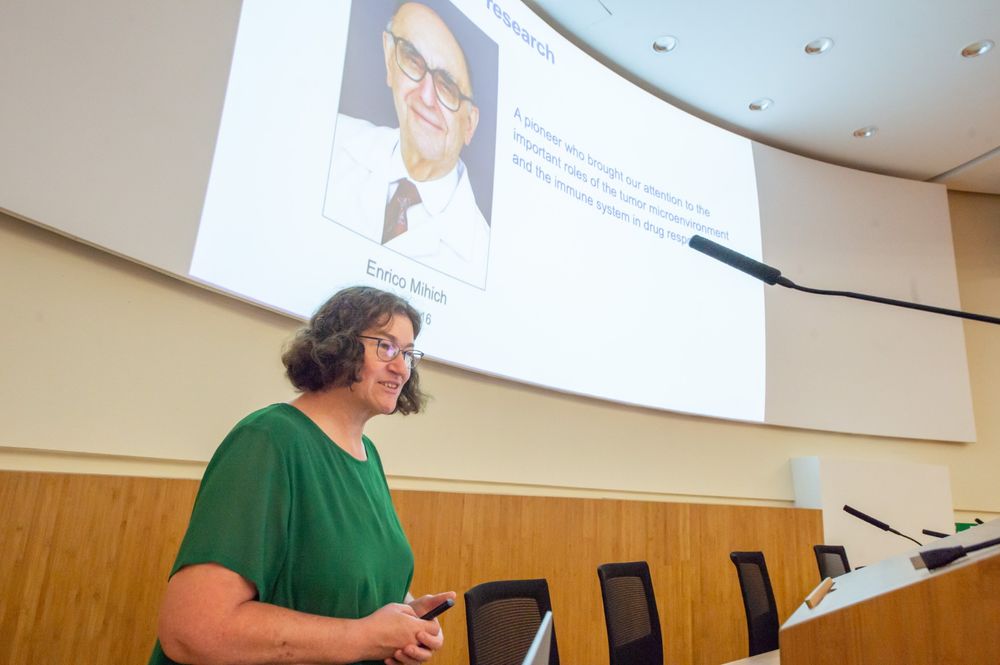
Again I would like to thank the Pezcoller Foundation for inviting me to the 36th Pezcoller Symposium in beautiful Trento. They were warm, pampering and wonderful hosts and science was top notch and delightful. I had fabulous time!
28.07.2025 17:13
👍 8
🔁 0
💬 0
📌 0
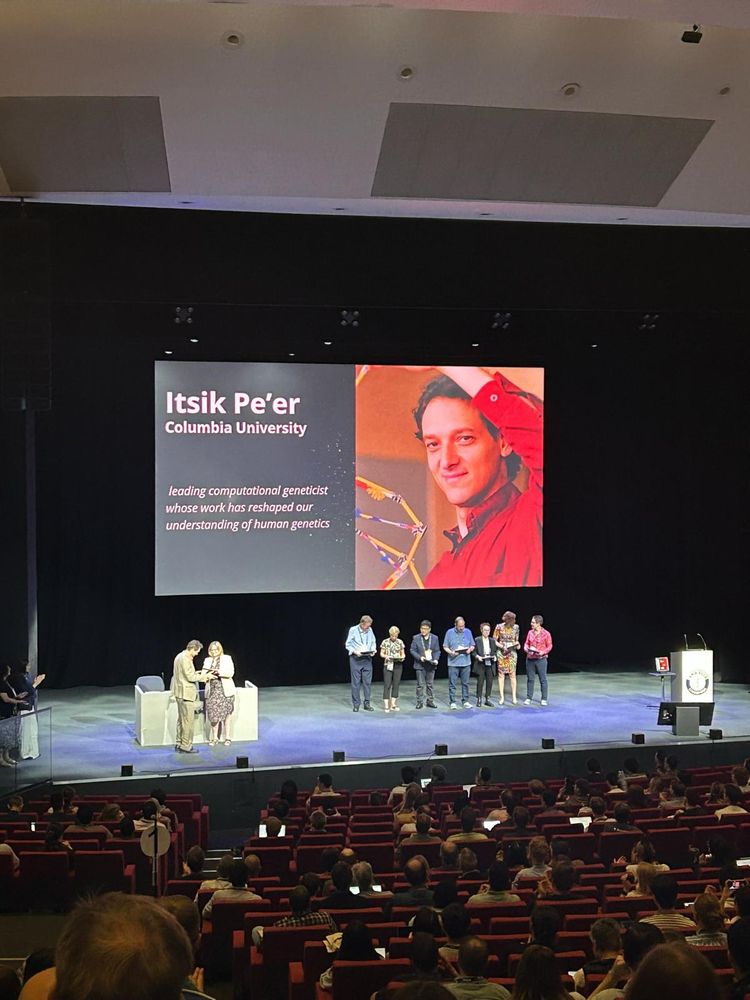
A huge congratulations to my better half, Itsik Pe'er, @iscb.bsky.social
21.07.2025 23:54
👍 17
🔁 0
💬 0
📌 0
This is a great tool!
20.07.2025 13:35
👍 5
🔁 0
💬 0
📌 0
Bioimaging | UZH Research Spotlight
YouTube video by Universität Zürich
And just like that @katharinaweins.bsky.social and Elvira Isenring managed to make us look cooler than we'll ever be:
www.youtube.com/watch?v=8t8R...
24.06.2025 17:39
👍 16
🔁 7
💬 0
📌 2
The line up for this conference is amazing and I am really looking forward to all the talks and discussions tomorrow!
11.07.2025 02:25
👍 4
🔁 0
💬 0
📌 0
Deadline in 9 days - apply now!
04.07.2025 09:36
👍 1
🔁 2
💬 0
📌 0
My First Substantial Independent Research Award Was Terminated Early. Can My ESI Status Be Reinstated?
June 12, 2025
Investigators lose their Early Stage Investigator (ESI) eligibility when they successfully compete for and receive a substantial independent research award. In the event an investigator’s first substantial independent research award is terminated within the first three years of the project period, and this was not due to scientific misconduct or other disqualifying events, the investigator can request the reinstatement of ESI status, using the ESI Extensions request tool in eRA commons. See Requesting an Extension for instructions.
For more, see the Early Stage Investigators FAQ page.
For ESIs dealing with grants being rescinded: if an investigator’s 1st substantial independent research award is terminated within the first 3 years of the project period (not due to scientific misconduct ) they can request the reinstatement of ESI status
grants.nih.gov/news-events/...
02.07.2025 19:27
👍 41
🔁 37
💬 2
📌 0
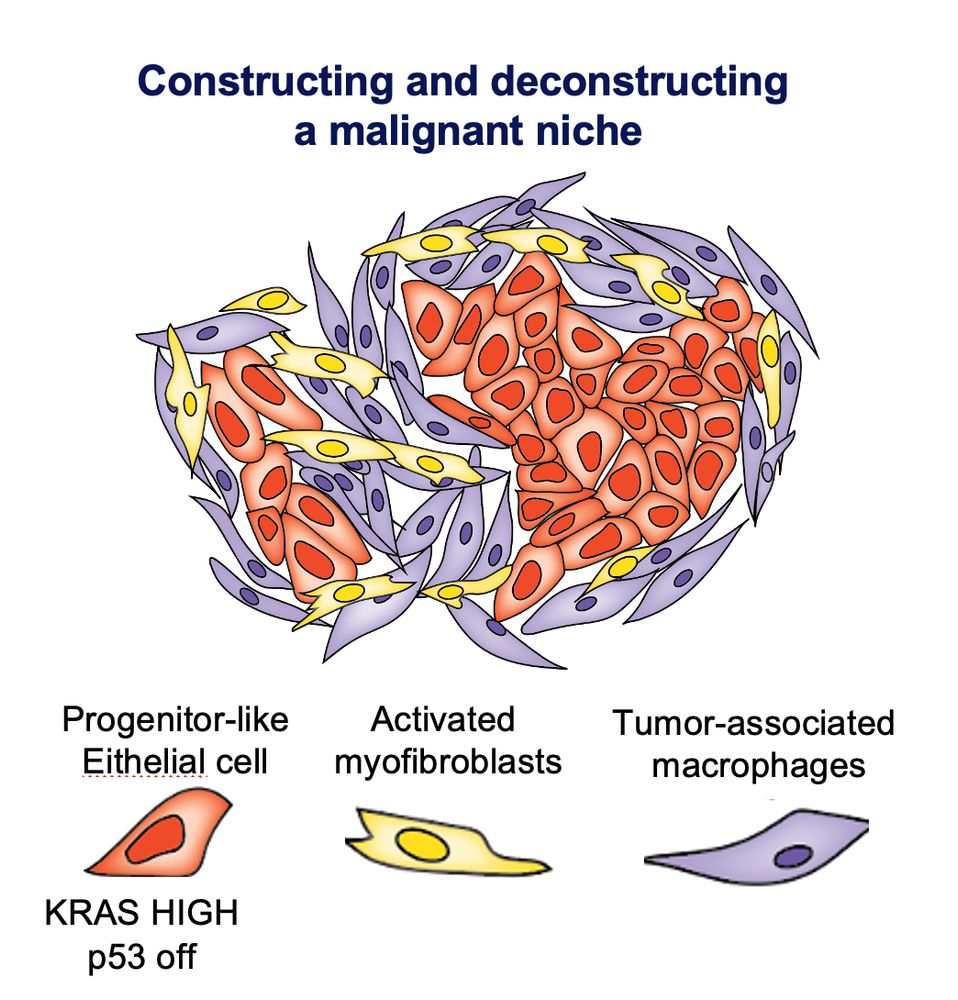
12) In summary P53 is a guardian of plasticity. Its loss loss promotes malignant progression by enabling epithelial plasticity and immune evasion. p53 activation or KRAS inhibition removes progenitor cells and dismantles their tumor-like niche.
03.07.2025 14:22
👍 2
🔁 0
💬 0
📌 0
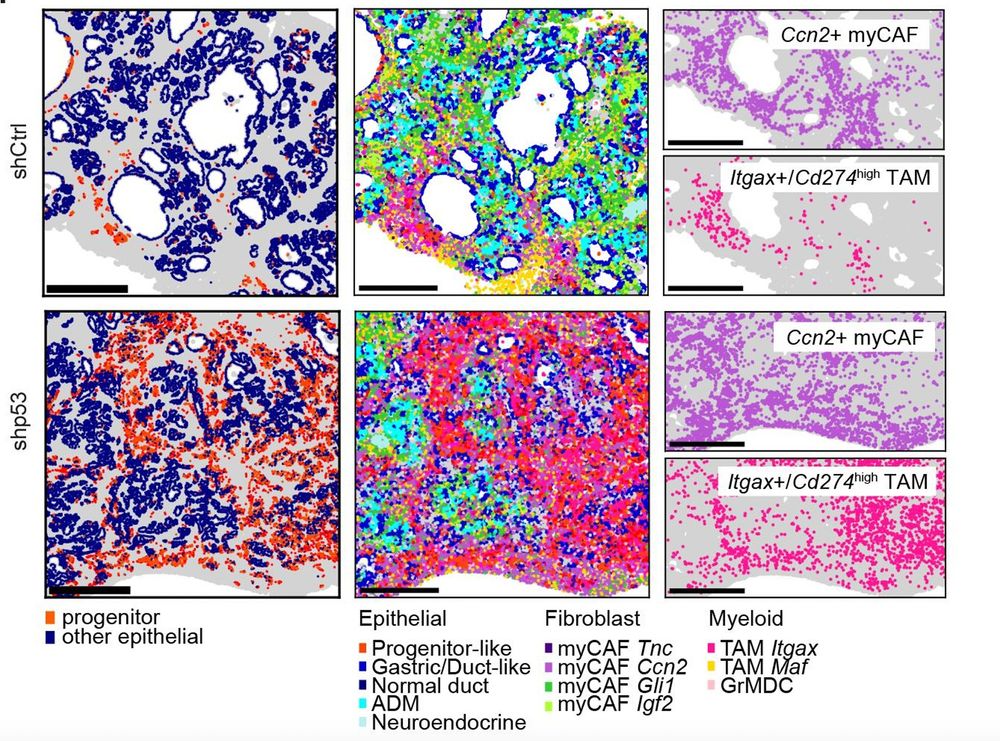
11) Loss of p53 allows for the stabilization and progression of the malignant niche, allowing the progenitor cells. to persist and progress to more mesenchymal states and for their accompanying niche to stabilize and expand in size ->
03.07.2025 14:20
👍 0
🔁 0
💬 1
📌 0
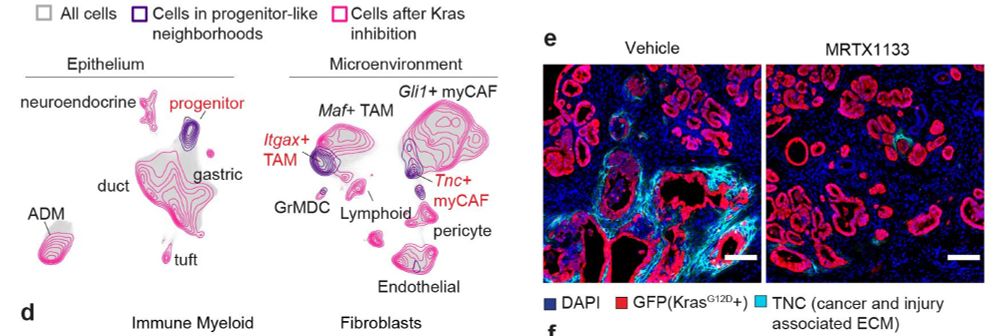
10) The progenitor state and its niche are dependent on KRAS signaling. Inhibition of KRAS via drug blunts the progenitor state and dismantles their surrounding tumor like niche ->
03.07.2025 14:14
👍 1
🔁 0
💬 1
📌 0
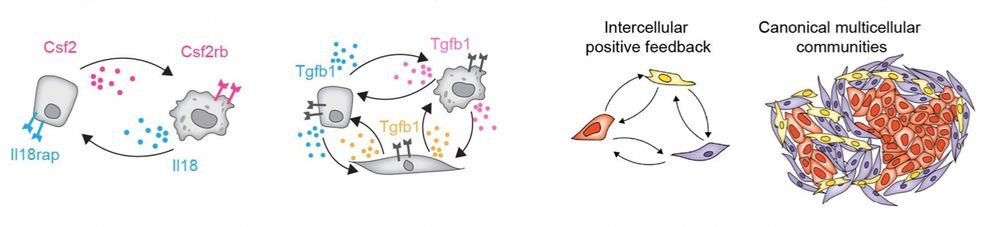
9) Thus the progenitor states orchestrates tissue remodeling of self reinforcing tumor like niches through robust feedback loops among cell compartments ->
03.07.2025 14:09
👍 3
🔁 1
💬 1
📌 0
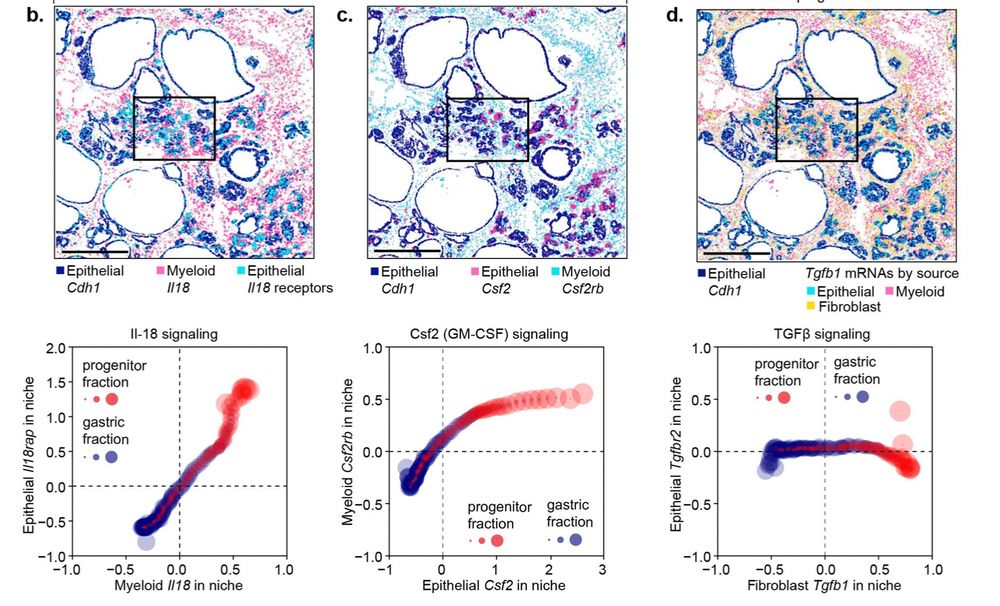
8) Bi-directional cell-cell communication changes along this axis, enable new modes of communication between all cell compartments in the niche ->
03.07.2025 14:05
👍 3
🔁 0
💬 1
📌 0
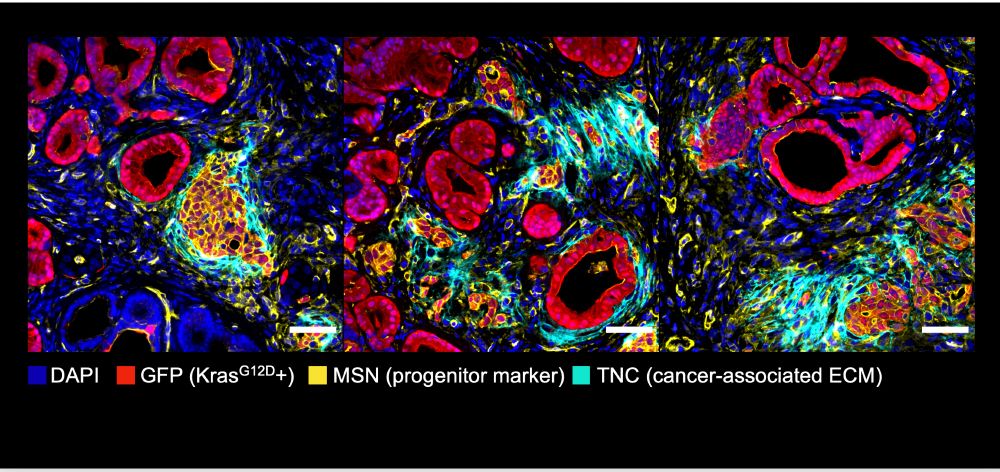
7) This tissue remodeling trajectory culminates in progenitor cells residing with niches abundant in activated fibroblasts and immunosuppressive myeloid cells reminiscent of advanced PDAC ->
03.07.2025 14:01
👍 2
🔁 0
💬 1
📌 0
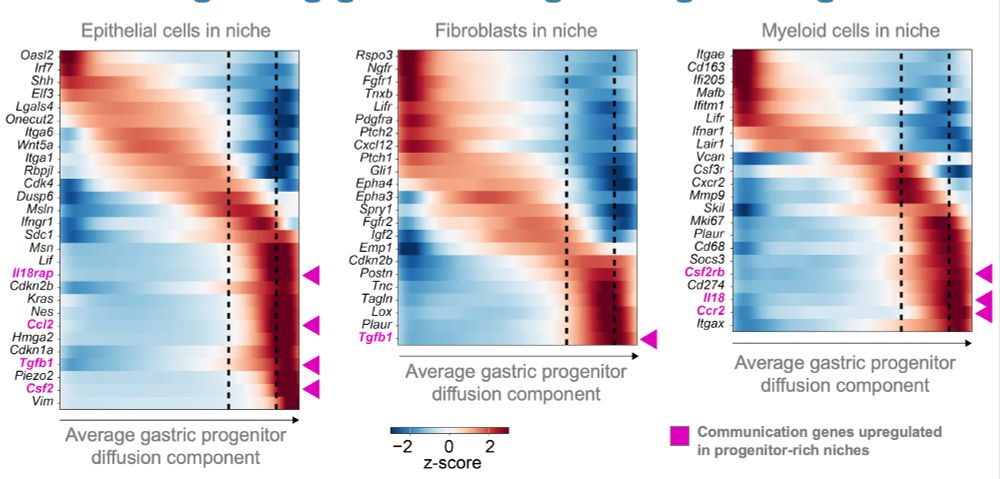
6) We found coordinated changes in gene expression across multiple cell type compartments along this axis, including changes in expression of cell-cell communication genes. Just defining a pseudo-time of niche remodeling from a single spatial snapshot ->
03.07.2025 13:56
👍 3
🔁 0
💬 1
📌 0
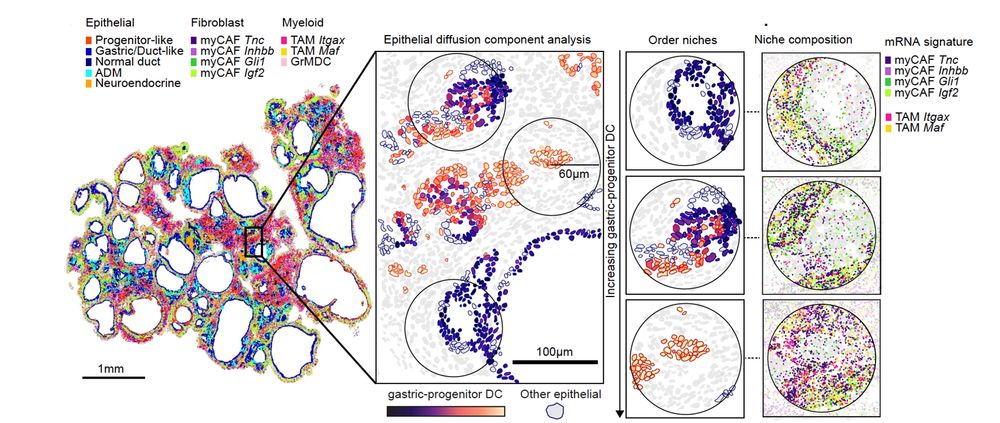
5) To track this remodeling we anchored spatial neighborhoods (niches) around epithelial cells, placed these niches the gastric to progenitor axis based on their mean epithelial state and characterized how all other TME states change along this axis ->
03.07.2025 13:51
👍 2
🔁 0
💬 1
📌 0
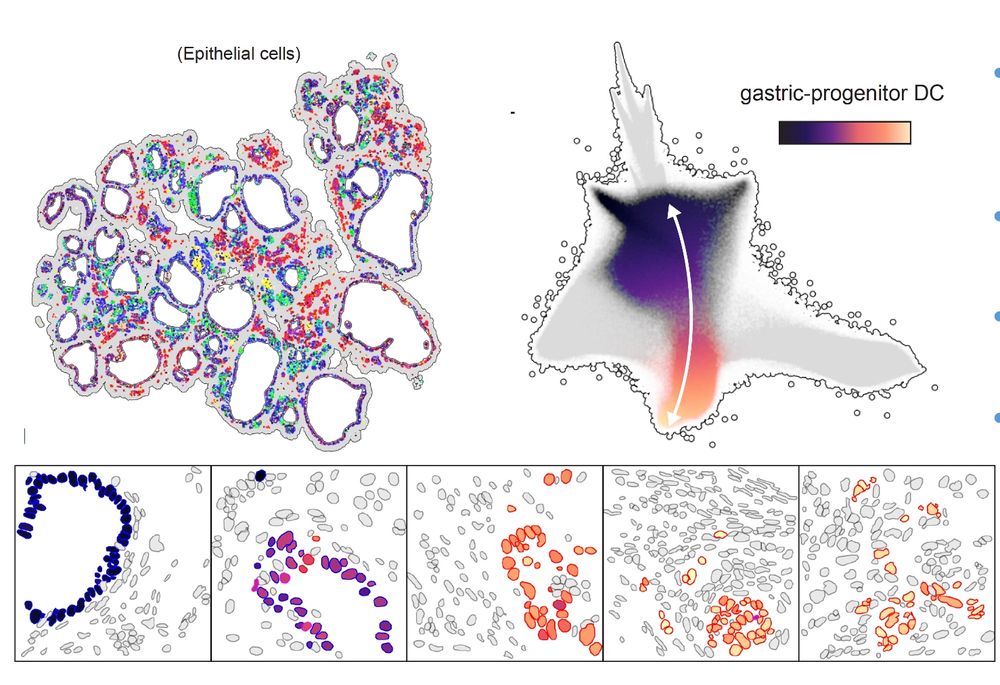
4) The gastric to progenitor axis is the strongest axis of variation among epithelial pre-malignant cells. Thus we collected Xenium data to understand the tissue remodeling that occurs along this axis ->
03.07.2025 13:48
👍 2
🔁 0
💬 1
📌 0
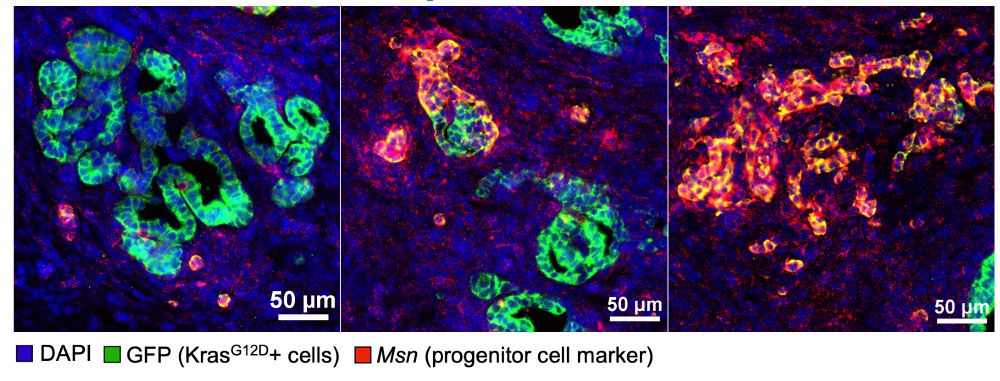
3) These progenitor cells accumulate in disorganized lesions upon inflammation and are reminiscent of highly plastic cells found in normal regeneration. Thus we find an additional role for P53 as putting the breaks on plasticity and keeping it in check ->
03.07.2025 13:26
👍 5
🔁 0
💬 1
📌 0
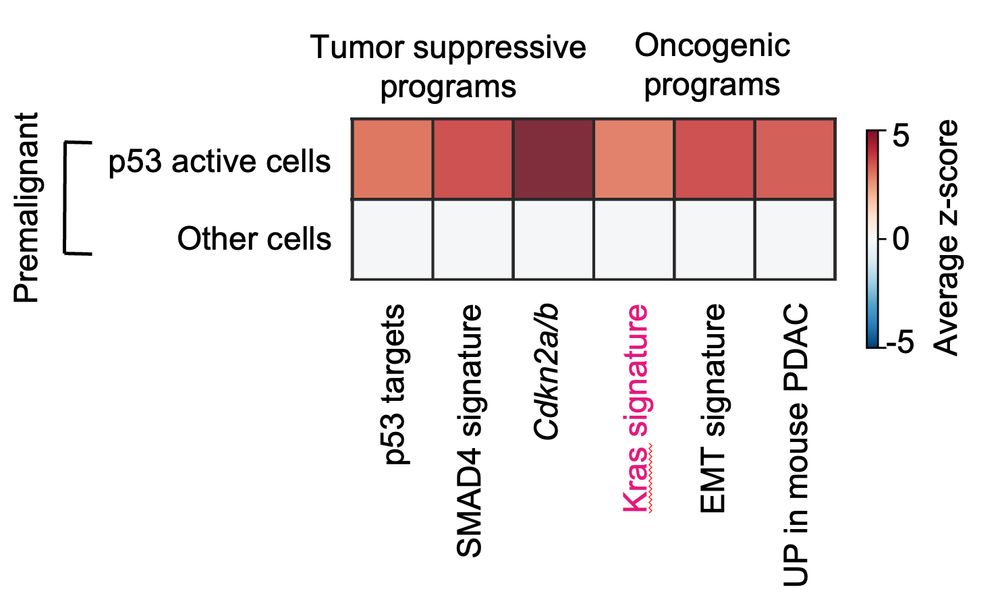
2) We find that P53 is uniquely activated in the highly plastic progenitor state. This highly plastic state activates KRAS + other oncogenic signals, P53 + other tumor suppressors. This state expands under inflammation, from 1% to 30%. -->
03.07.2025 13:20
👍 3
🔁 0
💬 1
📌 0