Adult Mammoths had one natural enemy–Neanderthals. This Neanderthal scraper in our collection was used for preparing large mammoth hides. The Mousterian style of manufacture reveals it to be 120,000-200,000 years old.
Adult Mammoths had one natural enemy–Neanderthals. This Neanderthal scraper in our collection was used for preparing large mammoth hides. The Mousterian style of manufacture reveals it to be 120,000-200,000 years old.
07.03.2026 19:59
👍 4
🔁 1
💬 0
📌 0
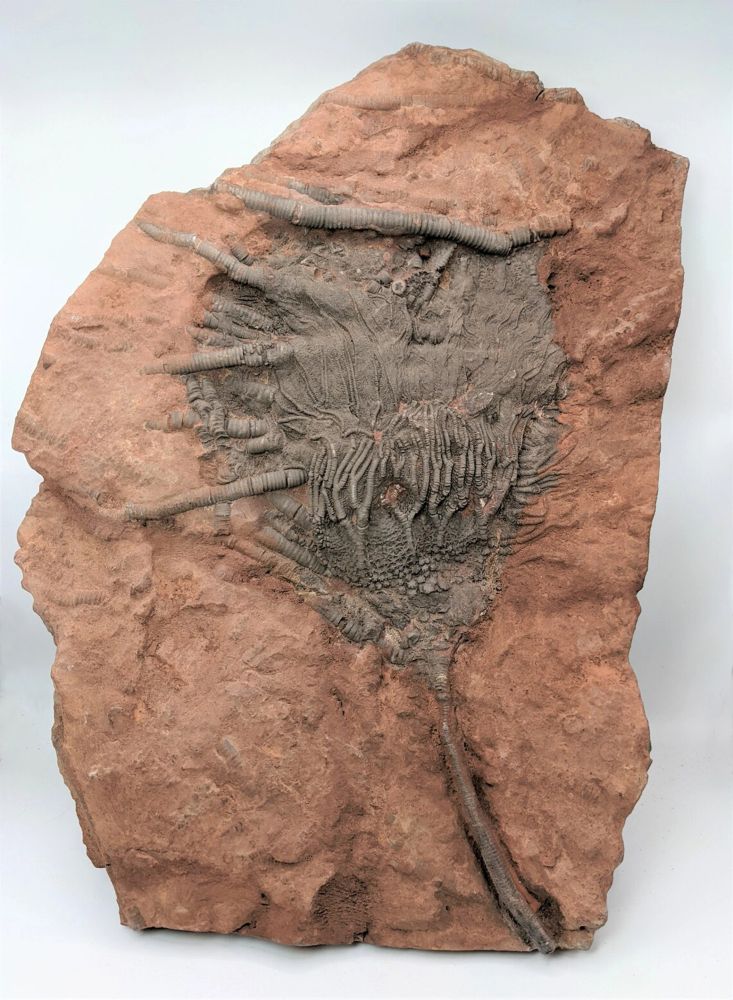
Millions of years ago during the Silurian period, the Sahara Desert was a shallow sea full of aquatic animals like crinoids. Don’t be fooled! Crinoids are commonly called "sea lilies" but they aren't plants! They are echinoderms, like starfish and sea urchins, and many species are still alive today!
Millions of years ago during the Silurian period, the Sahara Desert was a shallow sea full of aquatic animals like crinoids. Don’t be fooled! Crinoids are commonly called "sea lilies" but they aren't plants! They are echinoderms, like starfish and sea urchins, and many species are still alive today!
06.03.2026 19:59
👍 54
🔁 9
💬 2
📌 0
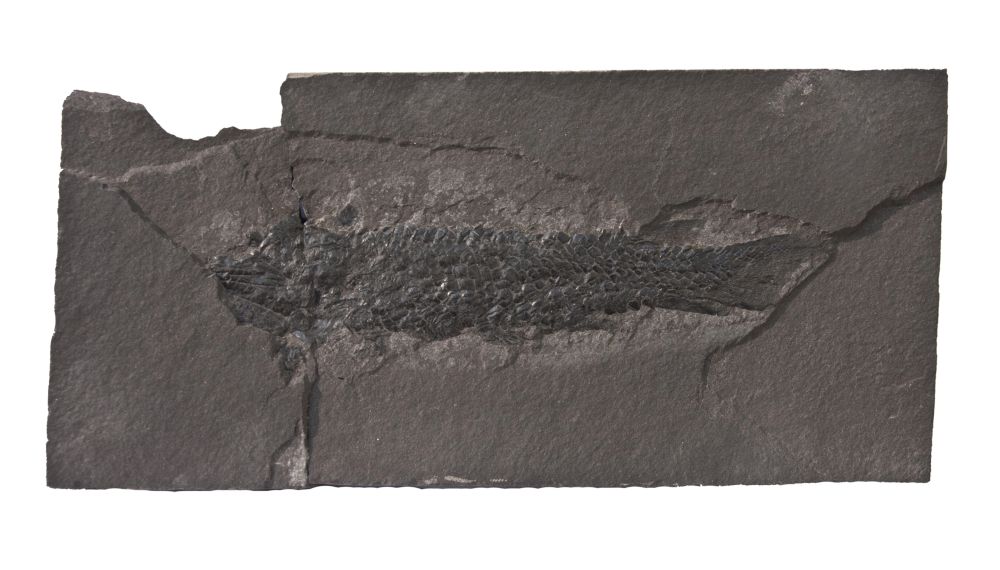
This fossil is of a lobed-finned fish named Osteolepsis macrolepidotus and was found in Scotland. The Devonian Period (named after fossils first found in Devon, England), is known as "The age of fishes" and was fish transformed into three major groups: lobe-finned, ray-finned, and sharks.
This fossil is of a lobed-finned fish named Osteolepsis macrolepidotus and was found in Scotland. The Devonian Period (named after fossils first found in Devon, England), is known as "The age of fishes" and was fish transformed into three major groups: lobe-finned, ray-finned, and sharks.
05.03.2026 19:59
👍 54
🔁 6
💬 1
📌 0
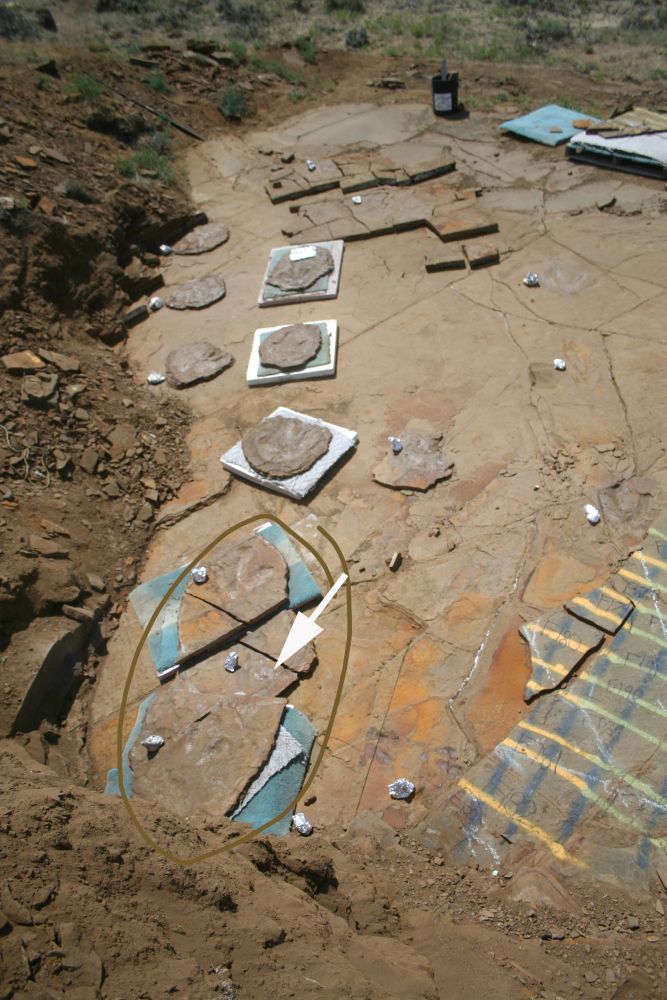
Footprint fossils are important because they reveal the size of the animals that made them, their movement, and animal behavior. The 44,000 pounds of footprints collected at this site in Wyoming tell the story of tyrannosaurs ambushing a herd of hadrosaurs as they approached the river to drink.
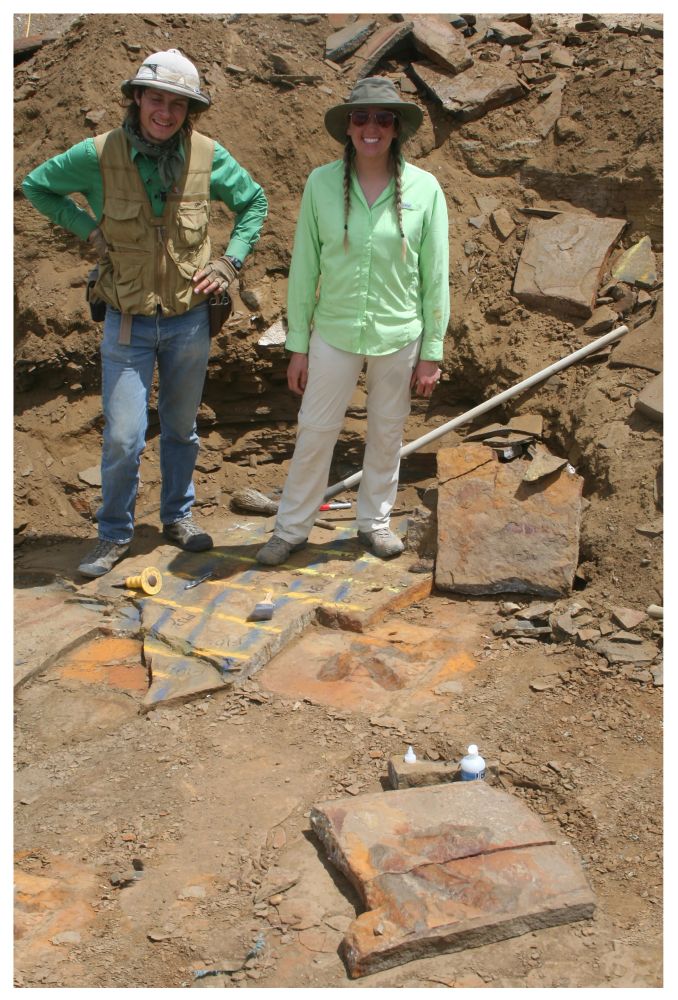
Footprint fossils are important because they reveal the size of the animals that made them, their movement, and animal behavior. The 44,000 pounds of footprints collected at this site in Wyoming tell the story of tyrannosaurs ambushing a herd of hadrosaurs as they approached the river to drink.
Footprint fossils are important because they reveal the size of the animals that made them, their movement, and animal behavior. The 44,000 pounds of footprints collected at this site in Wyoming tell the story of tyrannosaurs ambushing a herd of hadrosaurs as they approached the river to drink.
04.03.2026 19:59
👍 5
🔁 0
💬 0
📌 0

One of the trilobites from our "time vault" where kids can handle real fossils from all time periods!
One of the trilobites from our "time vault" where kids can handle real fossils from all time periods!
03.03.2026 19:59
👍 14
🔁 1
💬 0
📌 0
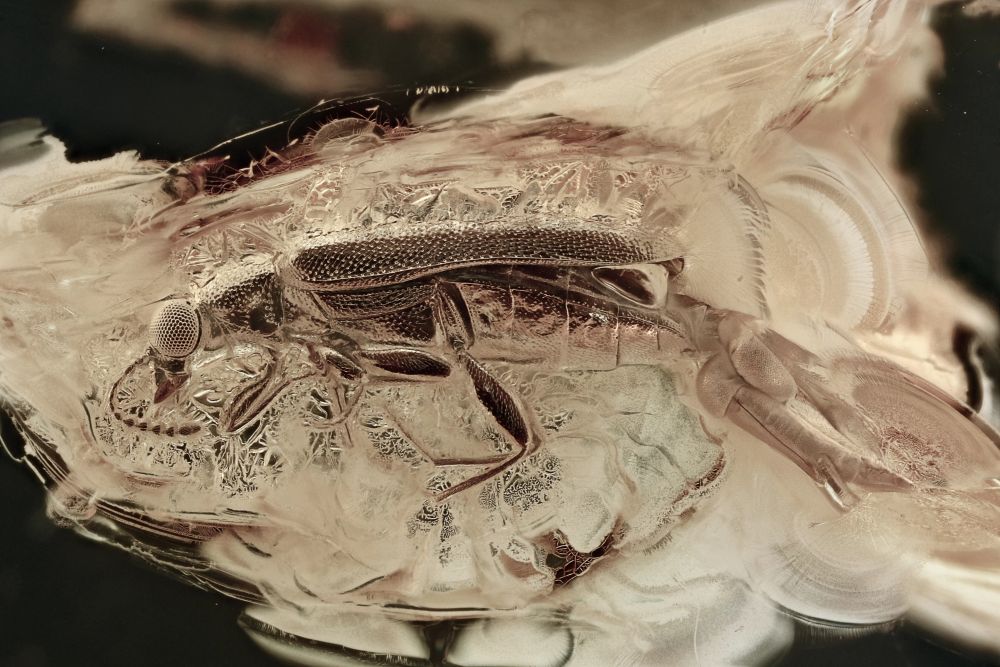
A flower beetle in baltic amber. We hope to raise money for a museum microscope so kids can examine insect specimens like this one!
A flower beetle in baltic amber. We hope to raise money for a museum microscope so kids can examine insect specimens like this one!
02.03.2026 19:59
👍 11
🔁 4
💬 0
📌 0

Glossopteris were the dominant trees across the supercontinent Gondwana during the Permian Period. Come see this and many other fossils and minerals in our collection that tell the story of Antarctica when it was a rainforest 270 million years ago.
Glossopteris were the dominant trees across the supercontinent Gondwana during the Permian Period. Come see this and many other fossils and minerals in our collection that tell the story of Antarctica when it was a rainforest 270 million years ago.
01.03.2026 19:59
👍 11
🔁 2
💬 0
📌 0

Woolly mammoths have two sets of tusks that grow continuously throughout life, about 6 inches per year. They have growth rings that are similar in appearance to growth rings of a tree. The rings can also be used to reveal which month the animal died.
Woolly mammoths have two sets of tusks that grow continuously throughout life, about 6 inches per year. They have growth rings that are similar in appearance to growth rings of a tree. The rings can also be used to reveal which month the animal died.
28.02.2026 19:59
👍 6
🔁 0
💬 0
📌 0
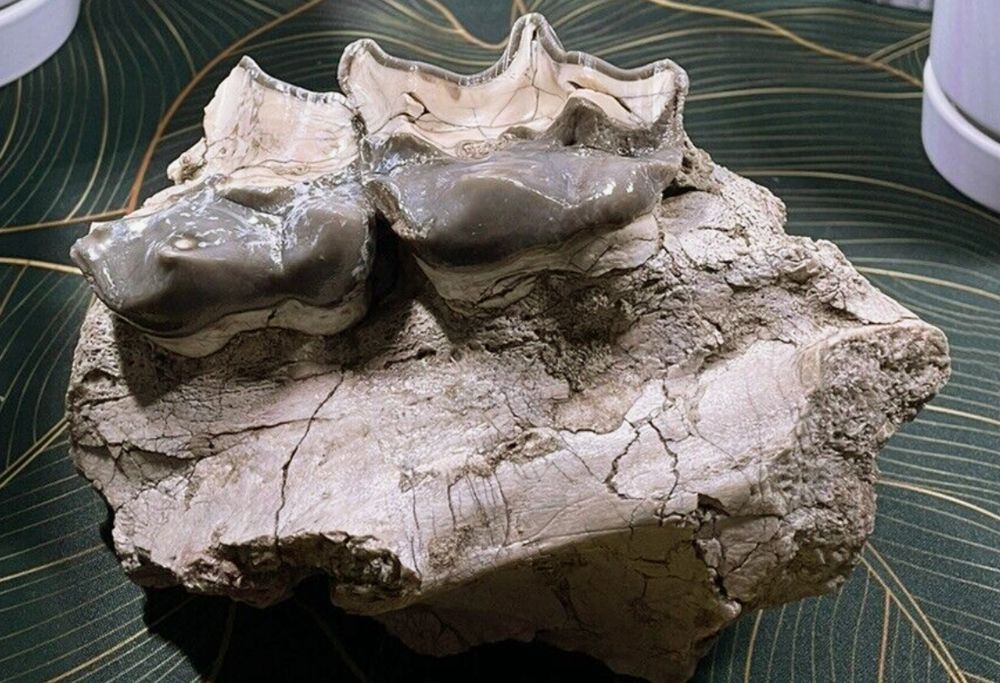
During the Eocene Epoch, 25 million years ago, parts of North America as far north as Oregon were covered with a sub-tropical forest that was nearly identical to the one found in Central America today. These large Brontotherium teeth only hint at the majestic size of a well preserved, adult skull.
During the Eocene Epoch, 25 million years ago, parts of North America as far north as Oregon were covered with a sub-tropical forest that was nearly identical to the one found in Central America today. These large Brontotherium teeth only hint at the majestic size of a well preserved, adult skull.
27.02.2026 19:59
👍 9
🔁 1
💬 0
📌 0
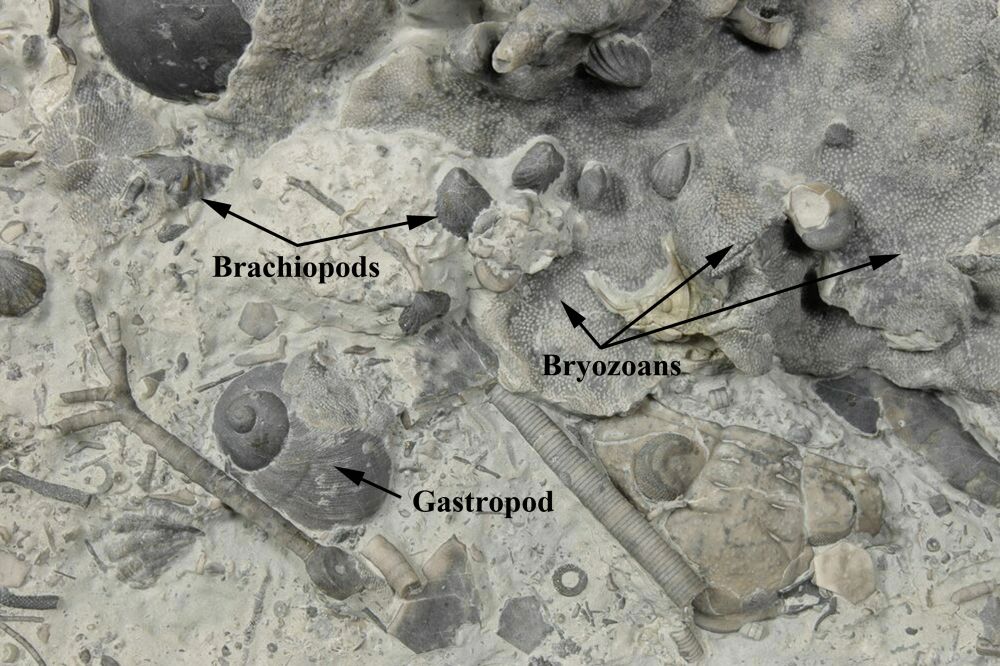
During the Silurian Period, 430 million years ago, equatorial reef systems developed in the seas. The reefs were home to all kinds of invertebrates and among the most plentiful were brachiopods, bryozoans, and gastropods, seen in this specimen in our collection.
During the Silurian Period, 430 million years ago, equatorial reef systems developed in the seas. The reefs were home to all kinds of invertebrates and among the most plentiful were brachiopods, bryozoans, and gastropods, seen in this specimen in our collection.
26.02.2026 19:59
👍 51
🔁 9
💬 0
📌 0

This Dimetrodon footprint was found in a fossilized swamp in New Mexico and dates from the late Carboniferous to early Permian Period, and is 300 million years old. Dimetrodons lived during the Permian period and went extinct 40 million years before dinosaurs evolved.
This Dimetrodon footprint was found in a fossilized swamp in New Mexico and dates from the late Carboniferous to early Permian Period, and is 300 million years old. Dimetrodons lived during the Permian period and went extinct 40 million years before dinosaurs evolved.
25.02.2026 19:59
👍 18
🔁 7
💬 0
📌 0
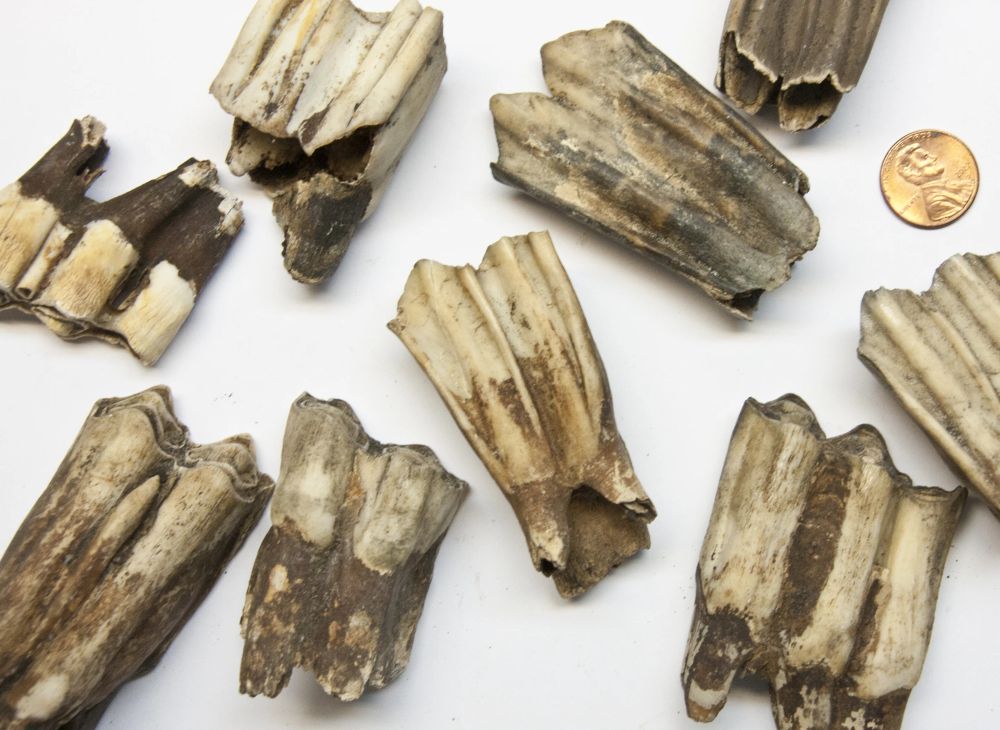
7,000 year old bison teeth found at the Cherney Bison Site. For a donation of $200 or more you can get your very own bison tooth as a thanks for helping fund the excavation of this incredibly unique fossil site in Coon Rapids, Minnesota.
7,000 year old bison teeth found at the Cherney Bison Site. For a donation of $200 or more you can get your very own bison tooth as a thanks for helping fund the excavation of this incredibly unique fossil site in Coon Rapids, Minnesota.
24.02.2026 19:59
👍 10
🔁 1
💬 0
📌 0
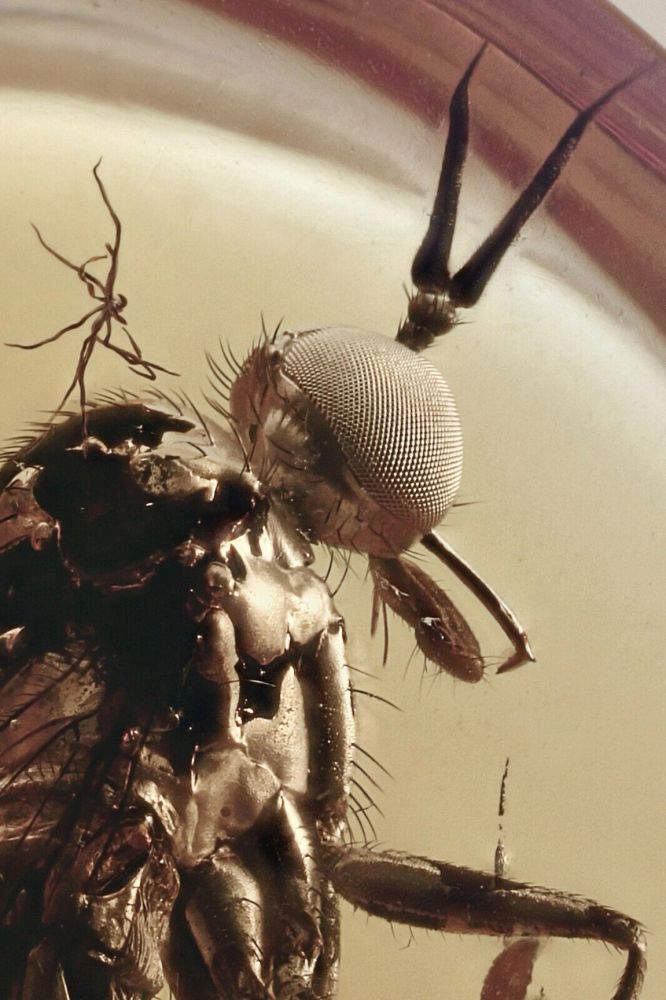
A dagger fly trapped in Baltic amber. We hope to raise money for a museum microscope so kids can examine insect specimens like this one!
A dagger fly trapped in Baltic amber. We hope to raise money for a museum microscope so kids can examine insect specimens like this one!
23.02.2026 19:59
👍 8
🔁 0
💬 0
📌 0
Woolly mammoths have two sets of tusks that grow continuously throughout life, about 6 inches per year. They have growth rings that are similar in appearance to growth rings of a tree. The rings can also be used to reveal which month the animal died.
Woolly mammoths have two sets of tusks that grow continuously throughout life, about 6 inches per year. They have growth rings that are similar in appearance to growth rings of a tree. The rings can also be used to reveal which month the animal died.
22.02.2026 19:59
👍 7
🔁 3
💬 1
📌 0
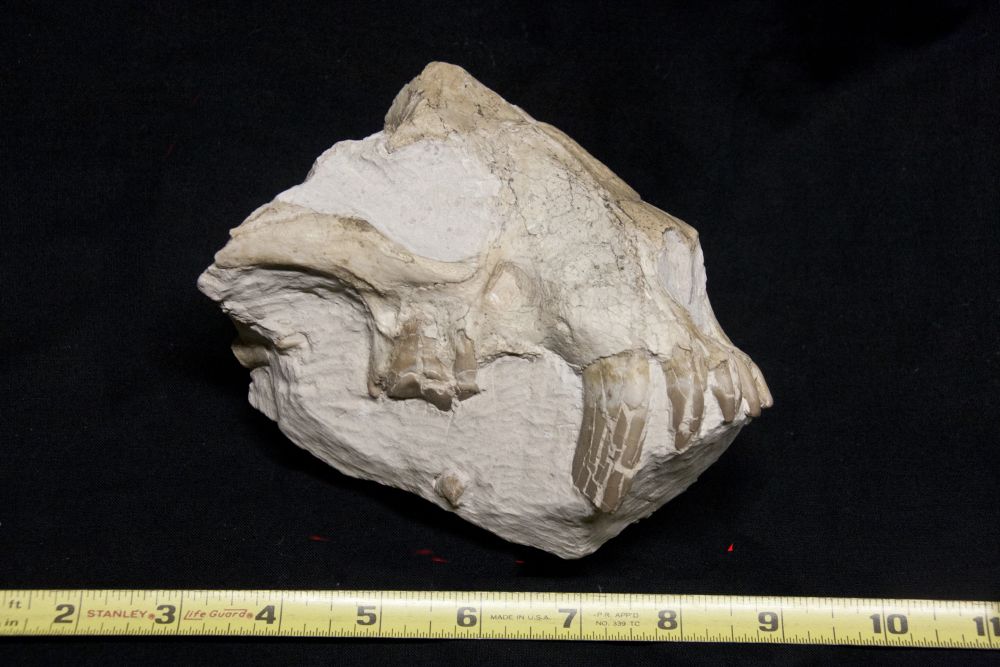
Searching for fossils in the Badlands is an unforgettable adventure. There is not a house, telephone pole, or any sign of modern civilization, conditions are hot, and without amenities. Most of the fossils from this region are from the Eocene, like this hoplophoneus (a saber cat) skull fragment.
Searching for fossils in the Badlands is an unforgettable adventure. There is not a house, telephone pole, or any sign of modern civilization, conditions are hot, and without amenities. Most of the fossils from this region are from the Eocene, like this hoplophoneus (a saber cat) skull fragment.
21.02.2026 19:59
👍 246
🔁 26
💬 7
📌 1
This fossil is of a lobed-finned fish named Osteolepsis macrolepidotus and was found in Scotland. The Devonian Period (named after fossils first found in Devon, England), is known as "The age of fishes" and was fish transformed into three major groups: lobe-finned, ray-finned, and sharks.
This fossil is of a lobed-finned fish named Osteolepsis macrolepidotus and was found in Scotland. The Devonian Period (named after fossils first found in Devon, England), is known as "The age of fishes" and was fish transformed into three major groups: lobe-finned, ray-finned, and sharks.
20.02.2026 19:59
👍 77
🔁 9
💬 0
📌 0
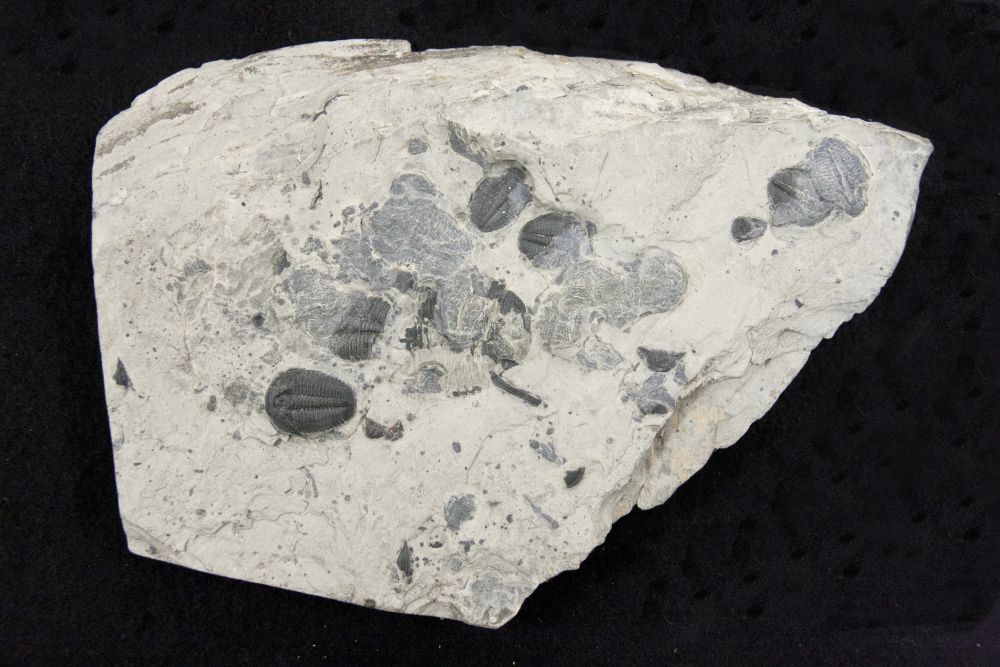
This fossil is an example of what is called a "mortality plate" as it contains the remains of several animals that all died around the same time. Trilobites were some of the first animals to evolve an exoskeleton, and as a result fossilize very well compared to other Cambrian creatures.
This fossil is an example of what is called a "mortality plate" as it contains the remains of several animals that all died around the same time. Trilobites were some of the first animals to evolve an exoskeleton, and as a result fossilize very well compared to other Cambrian creatures.
19.02.2026 19:59
👍 36
🔁 4
💬 1
📌 1
Footprint fossils are important because they reveal the size of the animals that made them, their movement, and animal behavior. The 44,000 pounds of footprints collected at this site in Wyoming tell the story of tyrannosaurs ambushing a herd of hadrosaurs as they approached the river to drink.
Footprint fossils are important because they reveal the size of the animals that made them, their movement, and animal behavior. The 44,000 pounds of footprints collected at this site in Wyoming tell the story of tyrannosaurs ambushing a herd of hadrosaurs as they approached the river to drink.
Footprint fossils are important because they reveal the size of the animals that made them, their movement, and animal behavior. The 44,000 pounds of footprints collected at this site in Wyoming tell the story of tyrannosaurs ambushing a herd of hadrosaurs as they approached the river to drink.
18.02.2026 19:59
👍 7
🔁 1
💬 0
📌 1
Adult Mammoths had one natural enemy–Neanderthals. This Neanderthal scraper in our collection was used for preparing large mammoth hides. The Mousterian style of manufacture reveals it to be 120,000-200,000 years old.
Adult Mammoths had one natural enemy–Neanderthals. This Neanderthal scraper in our collection was used for preparing large mammoth hides. The Mousterian style of manufacture reveals it to be 120,000-200,000 years old.
17.02.2026 19:59
👍 161
🔁 18
💬 7
📌 2
A flower beetle in baltic amber. We hope to raise money for a museum microscope so kids can examine insect specimens like this one!
A flower beetle in baltic amber. We hope to raise money for a museum microscope so kids can examine insect specimens like this one!
16.02.2026 19:59
👍 23
🔁 6
💬 0
📌 0
During the Eocene Epoch, 25 million years ago, parts of North America as far north as Oregon were covered with a sub-tropical forest that was nearly identical to the one found in Central America today. These large Brontotherium teeth only hint at the majestic size of a well preserved, adult skull.
During the Eocene Epoch, 25 million years ago, parts of North America as far north as Oregon were covered with a sub-tropical forest that was nearly identical to the one found in Central America today. These large Brontotherium teeth only hint at the majestic size of a well preserved, adult skull.
15.02.2026 19:59
👍 11
🔁 2
💬 0
📌 0
Woolly mammoths have two sets of tusks that grow continuously throughout life, about 6 inches per year. They have growth rings that are similar in appearance to growth rings of a tree. The rings can also be used to reveal which month the animal died.
Woolly mammoths have two sets of tusks that grow continuously throughout life, about 6 inches per year. They have growth rings that are similar in appearance to growth rings of a tree. The rings can also be used to reveal which month the animal died.
14.02.2026 20:21
👍 9
🔁 1
💬 0
📌 0
Glossopteris were the dominant trees across the supercontinent Gondwana during the Permian Period. Come see this and many other fossils and minerals in our collection that tell the story of Antarctica when it was a rainforest 270 million years ago.
Glossopteris were the dominant trees across the supercontinent Gondwana during the Permian Period. Come see this and many other fossils and minerals in our collection that tell the story of Antarctica when it was a rainforest 270 million years ago.
14.02.2026 19:59
👍 13
🔁 1
💬 0
📌 0
During the Silurian Period, 430 million years ago, equatorial reef systems developed in the seas. The reefs were home to all kinds of invertebrates and among the most plentiful were brachiopods, bryozoans, and gastropods, seen in this specimen in our collection.
During the Silurian Period, 430 million years ago, equatorial reef systems developed in the seas. The reefs were home to all kinds of invertebrates and among the most plentiful were brachiopods, bryozoans, and gastropods, seen in this specimen in our collection.
13.02.2026 19:59
👍 82
🔁 4
💬 1
📌 0
Woolly mammoths have two sets of tusks that grow continuously throughout life, about 6 inches per year. They have growth rings that are similar in appearance to growth rings of a tree. The rings can also be used to reveal which month the animal died.
Woolly mammoths have two sets of tusks that grow continuously throughout life, about 6 inches per year. They have growth rings that are similar in appearance to growth rings of a tree. The rings can also be used to reveal which month the animal died.
12.02.2026 19:59
👍 5
🔁 0
💬 0
📌 0
Footprint fossils are important because they reveal the size of the animals that made them, their movement, and animal behavior. The 44,000 pounds of footprints collected at this site in Wyoming tell the story of tyrannosaurs ambushing a herd of hadrosaurs as they approached the river to drink.
Footprint fossils are important because they reveal the size of the animals that made them, their movement, and animal behavior. The 44,000 pounds of footprints collected at this site in Wyoming tell the story of tyrannosaurs ambushing a herd of hadrosaurs as they approached the river to drink.
Footprint fossils are important because they reveal the size of the animals that made them, their movement, and animal behavior. The 44,000 pounds of footprints collected at this site in Wyoming tell the story of tyrannosaurs ambushing a herd of hadrosaurs as they approached the river to drink.
11.02.2026 19:59
👍 8
🔁 0
💬 0
📌 0
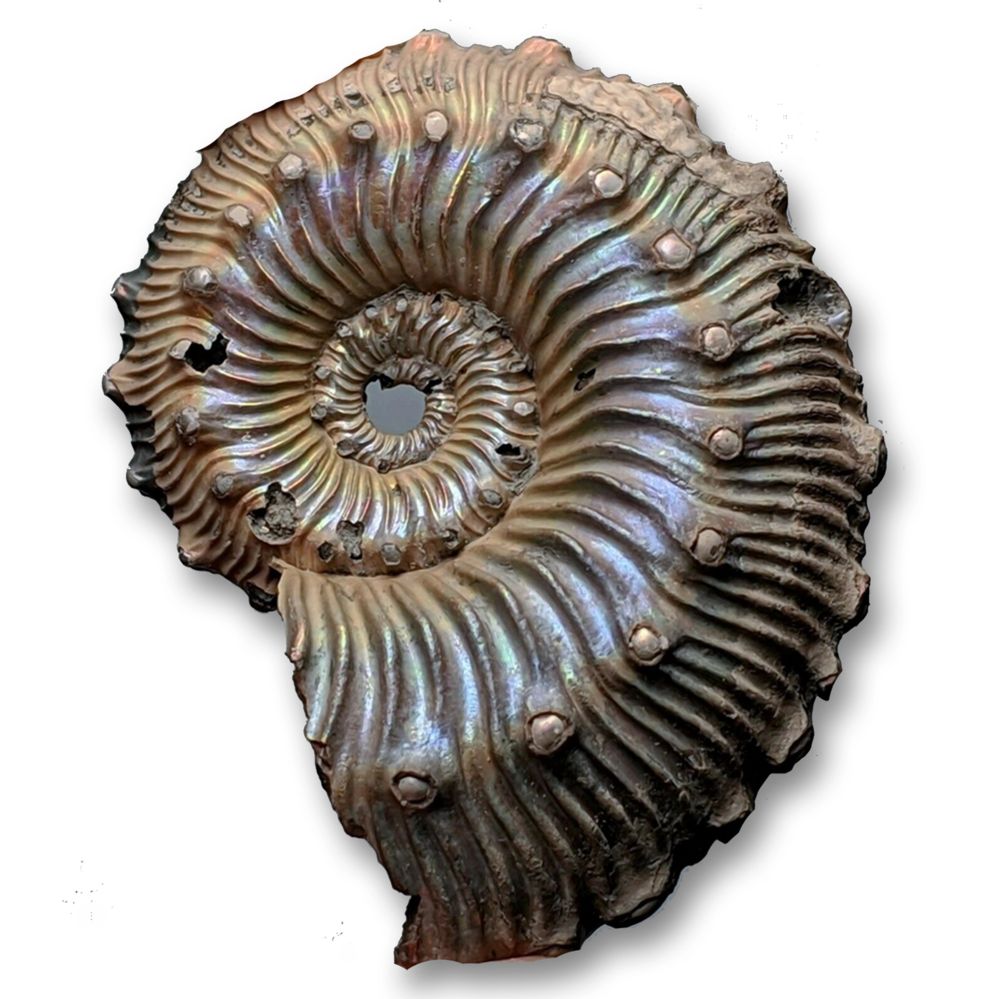
Ammonites were abundant in the seas during the Jurassic Period. Ammonites are shelled cephalopods, a class of marine animals that include octopuses, squid, cuttlefishes and nautiluses. Ammonites have retractable tentacles for catching small prey, although some species filter-fed for small plankton.
Ammonites were abundant in the seas during the Jurassic Period. Ammonites are shelled cephalopods, a class of marine animals that include octopuses, squid, cuttlefishes and nautiluses. Ammonites have retractable tentacles for catching small prey, although some species filter-fed for small plankton.
10.02.2026 19:59
👍 14
🔁 1
💬 0
📌 0
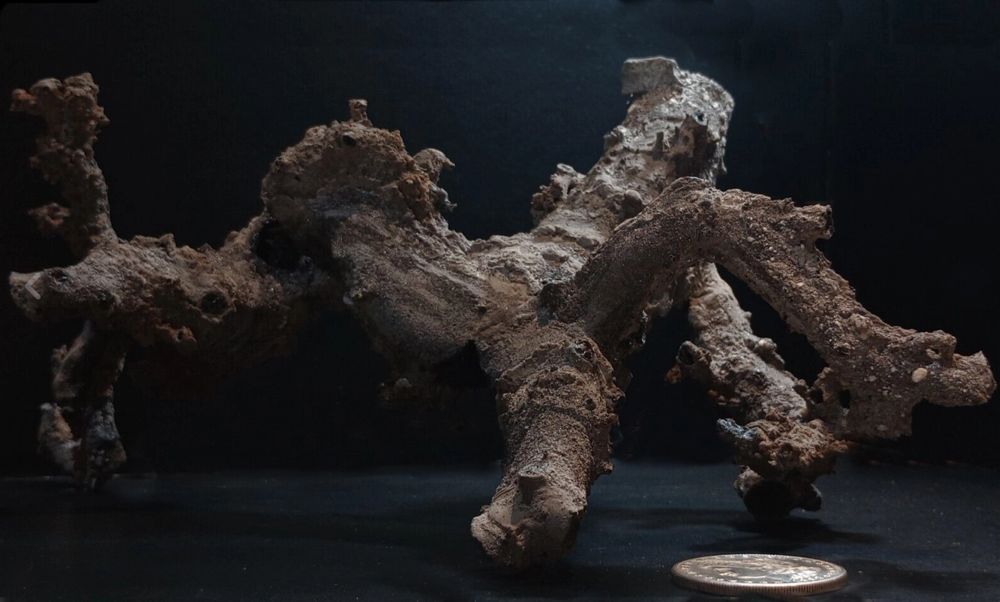
While hunting for fossils, the unexpected is sometimes discovered. These finds can range from pottery shards to this fulgurite, or "fossil lightning," formed when lightning strikes the ground.
While hunting for fossils, the unexpected is sometimes discovered. These finds can range from pottery shards to this fulgurite, or "fossil lightning," formed when lightning strikes the ground.
09.02.2026 19:59
👍 7
🔁 0
💬 0
📌 1
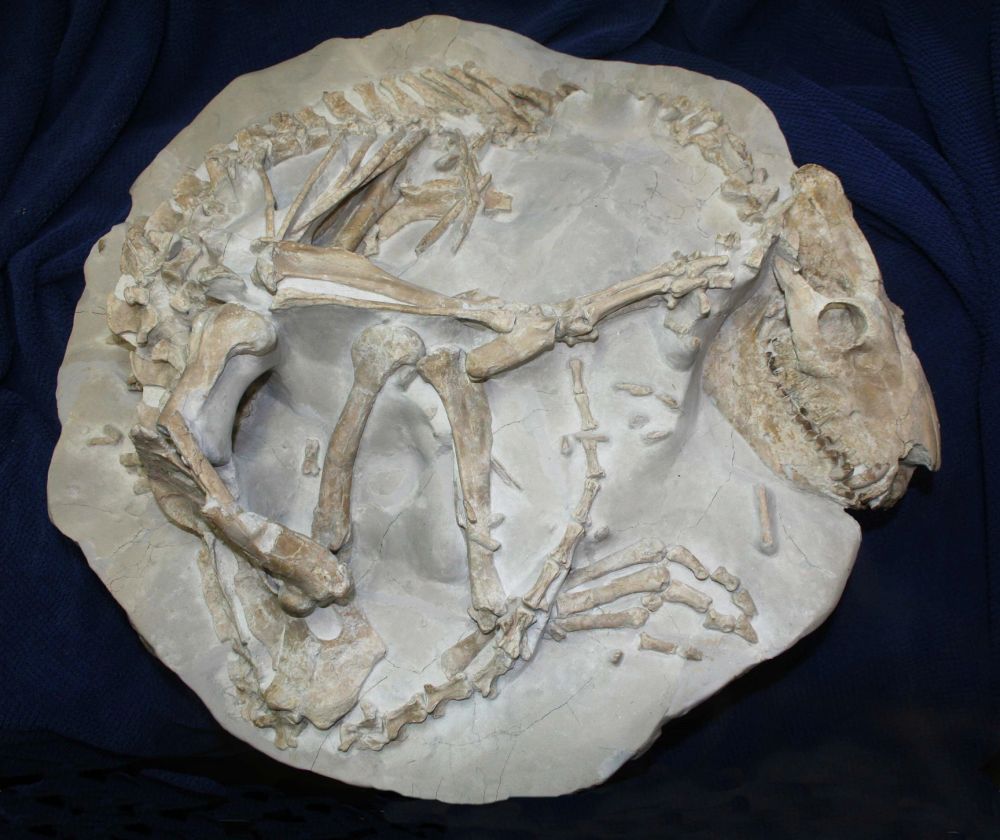
Oreodonts are extinct mammals that looked similar to pigs and sheep, but were more closely related to camels. They are the most commonly found fossil in the White River Badlands in South Dakota, and this exceptional specimen from our collection shows an oreodont curled up inside its burrow.
Oreodonts are extinct mammals that looked similar to pigs and sheep, but were more closely related to camels. They are the most commonly found fossil in the White River Badlands in South Dakota, and this exceptional specimen from our collection shows an oreodont curled up inside its burrow.
08.02.2026 19:59
👍 52
🔁 8
💬 0
📌 0
This fossil is an example of what is called a "mortality plate" as it contains the remains of several animals that all died around the same time. Trilobites were some of the first animals to evolve an exoskeleton, and as a result fossilize very well compared to other Cambrian creatures.
This fossil is an example of what is called a "mortality plate" as it contains the remains of several animals that all died around the same time. Trilobites were some of the first animals to evolve an exoskeleton, and as a result fossilize very well compared to other Cambrian creatures.
07.02.2026 19:59
👍 300
🔁 30
💬 4
📌 2