

A proactive approach is key. Universities must educate students and staff about EDs and actively identify those in need of support. Full findings:
04.03.2026 09:45
👍 0
🔁 0
💬 0
📌 0
A proactive approach is key. Universities must educate students and staff about EDs and actively identify those in need of support. Full findings:

Katie Rakow explores how students feel about their digital footprints in virtual learning environments (VLEs). It highlights themes of privacy concerns, autonomy preferences, and links between data use and mental well-being. URL:
VLEs generate digital footprints—logs of students’ online activities. While these data offer insights for learning analytics, students often feel uninformed about their use, raising concerns about consent, privacy, and potential misuse. URL:

📊 CLOSER and CIDER are the first reporting tools designed specifically for educational interventions outside health education. A step forward for evidence-informed education! Read more:
Autoethnographic accounts reveal harm from decontextualized scales, limiting patient recovery. Read details: www.cambridge.org/core/service... #PatientExperience

Financial stress is a major contributor to student mental health issues. Many students struggle with food and housing insecurity, leading to anxiety and depression. Universities need to recognize financial well-being as a mental health factor.
🔗
Early interactions with support services shape students' treatment journeys. Unfortunately, most found GPs and university counseling ill-equipped to handle EDs. Explore the study:
Faculty’s role in boundary setting & confidentiality is crucial for effective mental health support, as discussed in this review:
📈 CLOSER and CIDER could transform educational research reporting—enhancing replicability, evidence synthesis, and policy translation. Join the movement:
The Panopticon effect: Perceived surveillance in VLEs can create stress, echoing concerns about autonomy and wellbeing. Discussion here:
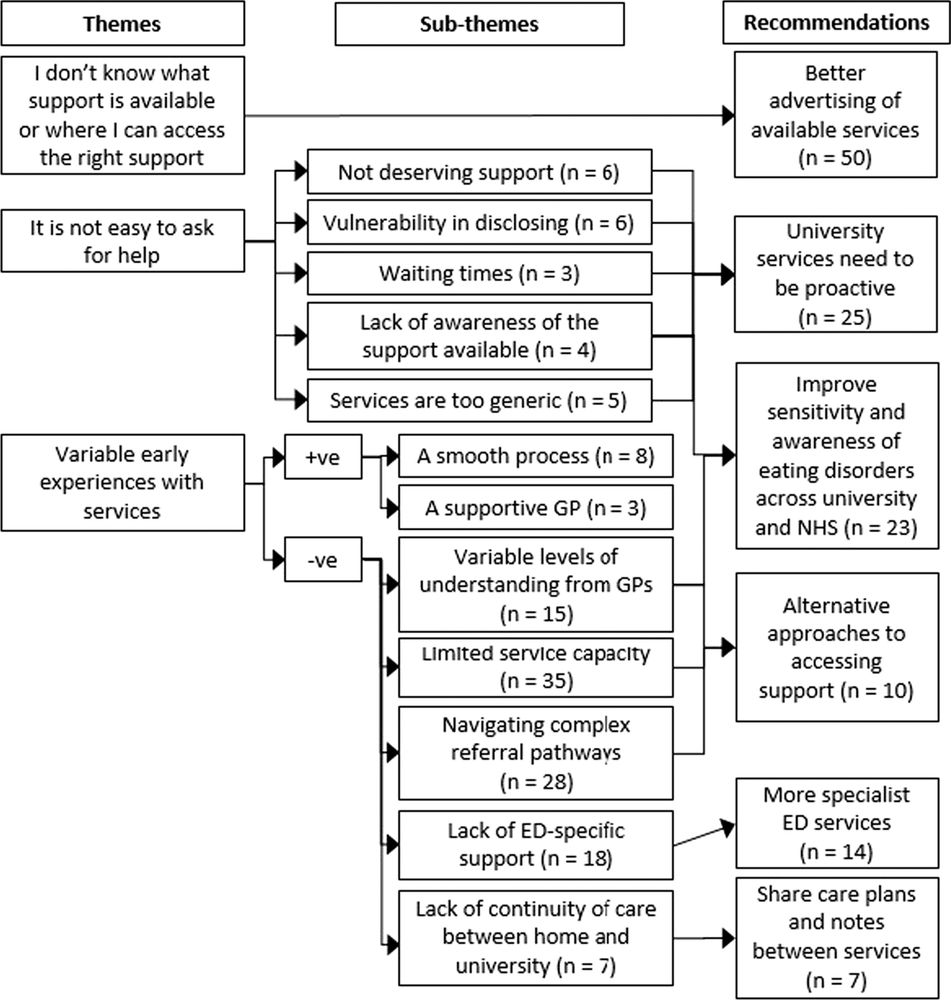
Transitioning to university life often worsens ED symptoms due to disrupted care. Enhanced pre-arrival support and flexible health access are vital. Explore the research:
Original PHQ emphasized daily functional impairment, now overlooked in PHQ-9. Patients miss nuanced care. Study: www.cambridge.org/core/service... #HealthcareInnovation

The University Mental Health Charter in the UK is a promising example of an evidence-informed framework for student mental health. More research is needed on how to implement such models globally.
🔗
Katie Rakow revealed two key preferences for VLE data use: (1) non-judgmental, personalized support and (2) aggregated insights for improving course design. Students valued transparency and control over their data. URL:
Students with EDs face systemic challenges, but targeted improvements—such as dual GP registration and shared care plans—can make a big difference. Study link:

A "whole university approach" is vital: Improving lecturer wellbeing boosts student success, creating healthier institutions. Key steps outlined in this study: link.springer.com/article/10.1... #WholeInstitutionApproach
Loneliness is a major risk factor for poor student mental health, yet university structures often don’t support meaningful social connection. Large classes, online learning, and single housing increase isolation.
🔗
International students experience additional stressors—cultural adjustment, discrimination, and language barriers. Universities play a crucial role in providing accessible mental health support.
🔗
With increased attention to student mental health, tailored support for EDs must also be prioritized. Early intervention and seamless care paths are critical. Learn more:
🧠 Why are reporting standards critical? Poor reporting limits the synthesis of evidence and slows progress in educational research. CLOSER and CIDER offer a solution:

🔬 Robust evidence for educational interventions starts with better reporting. CLOSER and CIDER help researchers provide the detail needed for transparent, replicable research. Read the open-access paper:
Learning analytics could empower students, but also risk creating anxiety. Finding a balance is essential. Explore the data:
Student views on VLE data varied widely. Some were indifferent if they saw no privacy threat, but others worried about surveillance, judgment, and how their digital behavior might be misinterpreted. URL:
Anthropologists argue scales obscure structural distress, emphasizing individual flaws over context. Read analysis: www.cambridge.org/core/service... #MentalHealthResearch
Ethical VLE data policies should treat students as “data owners.” Co-developing guidelines with students can enhance trust, autonomy, and mental well-being, ensuring data use aligns with their needs. URL:
Universities should adopt a settings-based approach to mental health—integrating well-being into academic life, campus design, and social structures. Support must go beyond individual interventions.
🔗
Promoting mental health involves creating inclusive classroom environments. Proactive health promotion strategies detailed here:
🚨Apply now for our #fullyfundedPhDs in #HealthDataScience at @kingscollegelondon.bsky.social Calling all #healthdatascientists, #computerscientists, #engineers, and #AI 100+ projects available ⬇️ Deadline 12 January 2026. @kingsioppn.bsky.social @kingslsm.bsky.social @kingshealth.bsky.social
Students moving away for university face loneliness, isolation, and disrupted support networks. Universities must foster social connection to improve mental health outcomes.
🔗

Academics want to support students.
They’re skilled, caring, and committed.
But without the right structure — it’s too much to carry alone.
We need systems that hold that care:
🔹 Clear boundaries
🔹 Supportive cultures
This isn’t just possible.
It’s happening.
doi.org/10.1111/jan....