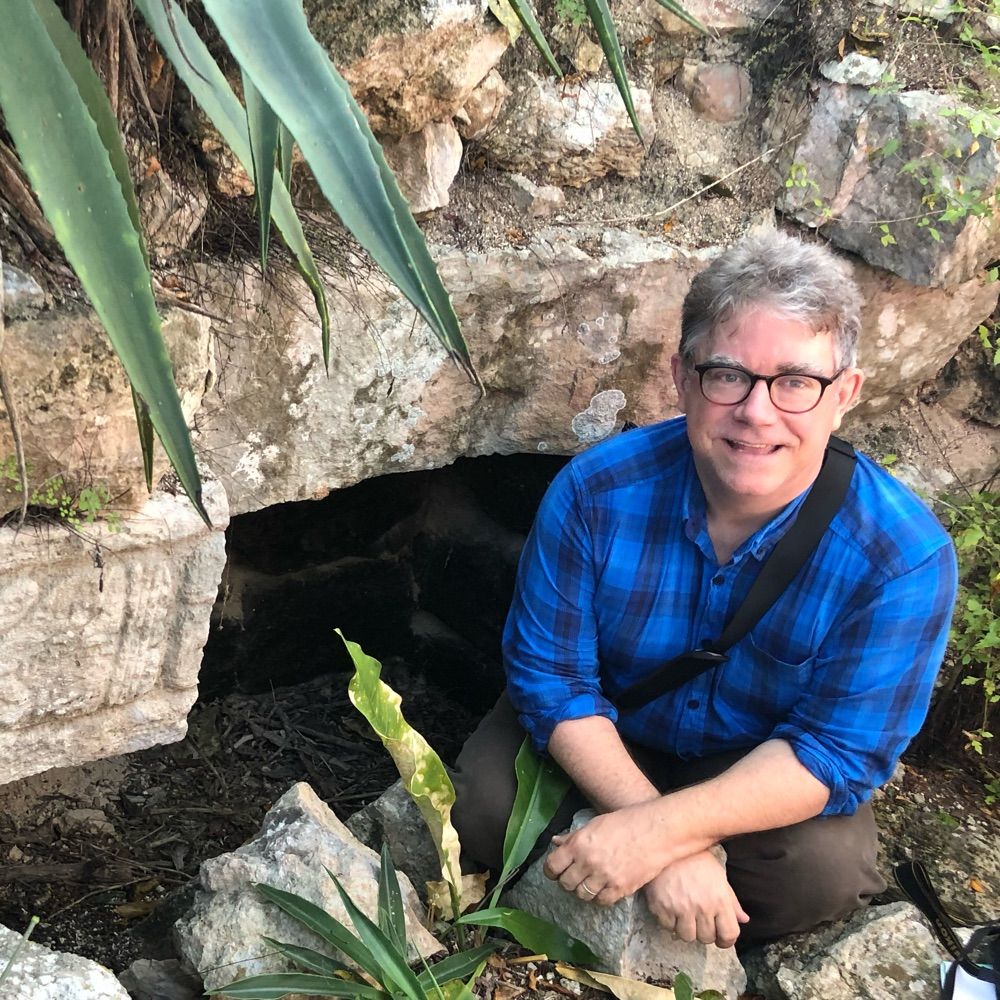
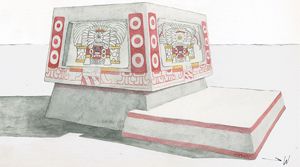
Years ago, visiting the remote ruins of Piedras Negras, I saw the moss-covered base of this monument, left behind by the looters. It’s still there. I would love to see them reunited someday.
30.06.2025 01:21
👍 5
🔁 0
💬 0
📌 0
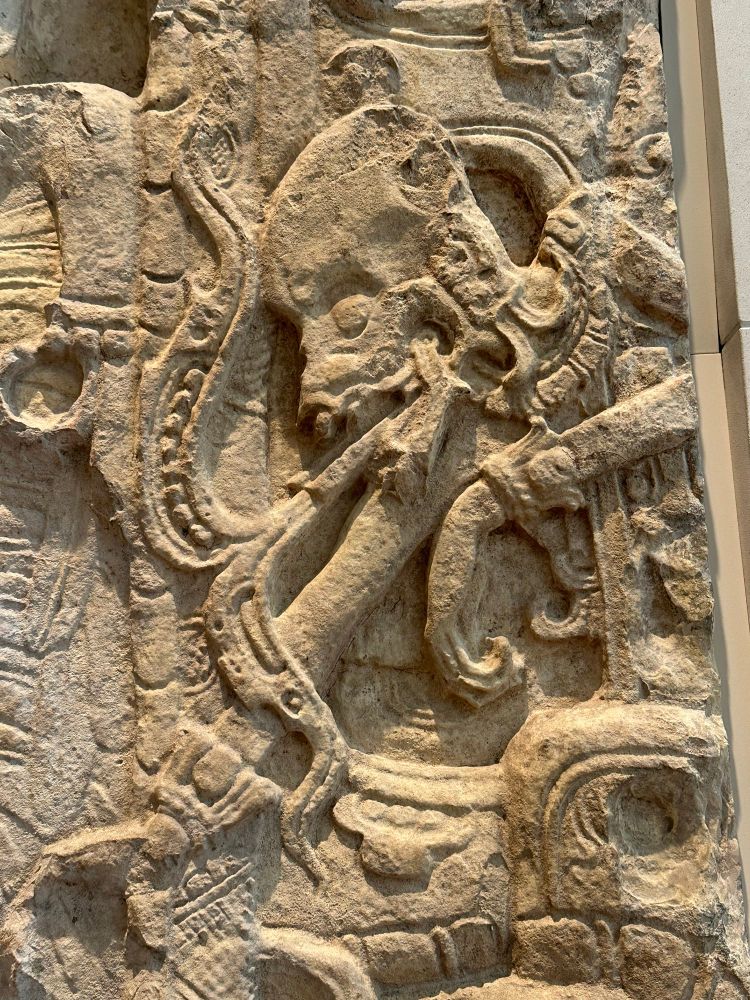
Happy to finally see the new Rockefeller Wing at The Met. The Maya stela from Piedras Negras, Guatemala, always impresses (looted from there in the 60s). One detail I love is the elegantly carved skeleton with a cigar, probably representing a firefly (exoskeleton and cigar light, of course).
30.06.2025 01:18
👍 6
🔁 0
💬 1
📌 1
New to me too (or I don’t remember). Holmes was clearly doing a bit of visual restoration and clean-up in these views, like he did elsewhere. The
stairway restoration he shows is pretty accurate. The site was actually kind of a mess in 1916, after the Peabody Museum investigations 20 years earlier.
22.06.2025 23:47
👍 2
🔁 0
💬 0
📌 0
I hadn’t seen this Holmes drawing before. I was a very small part in the excavation of that building in the late 80s and early 90s.
22.06.2025 23:03
👍 2
🔁 0
💬 1
📌 0
My next book comes out in spring of 2026 from Princeton University Press: “The Four Heavens: A New History of the Ancient Maya.” More details on the way.
20.06.2025 12:28
👍 5
🔁 0
💬 2
📌 0
How archaeology is feeling the big pinch from the cut-off of federal funding. Tina Warriner’s ancient Maya DNA project is one of the many unfortunate victims.
19.06.2025 20:20
👍 2
🔁 0
💬 0
📌 0
As a higher ed prof, I decided last semester to use only blue books and hand-written exercises in one class. It generally worked. Students and teachers are in the same boat, confused about differing expectations from course to course. Admins need to forge broad policies and consistent guidance asap.
04.06.2025 12:02
👍 42
🔁 3
💬 0
📌 1
Holds up, for sure.
15.04.2025 22:27
👍 1
🔁 0
💬 0
📌 0
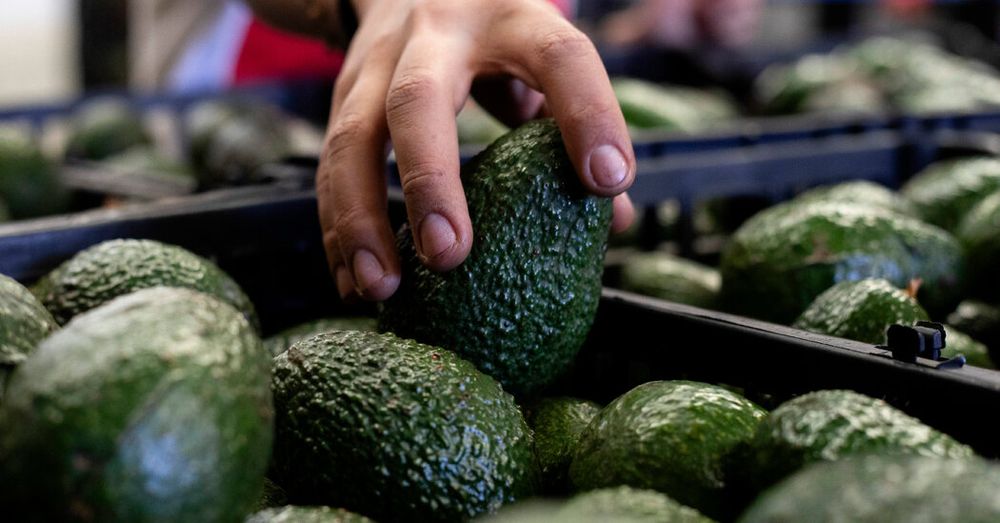
Humans Have Been Perfecting Avocados for 7,500 Years
Ancient peoples of Latin America saved the fleshy fruits from extinction and gradually made them tastier.
Of course humans have loved avocados for thousands of years. The Maya named one of their festival months, Uniw, after avocados. A guacamole-fest every 365 days sounds like a damn good idea.
www.nytimes.com/2025/03/07/s...
11.03.2025 19:23
👍 5
🔁 2
💬 0
📌 0
The Ancient Maya: A New History. Coming 2026 via Princeton University Press.
27.02.2025 02:08
👍 3
🔁 0
💬 2
📌 0
The slow decipherment of Maya writing began around this time, in the 1870s, yet still unaware of this and similar documents. “Cracking the code” began just as the very last vestiges of the old writing system were being blindly copied. Something I think about as I finish up my book on Maya history.
27.02.2025 01:18
👍 3
🔁 0
💬 1
📌 0
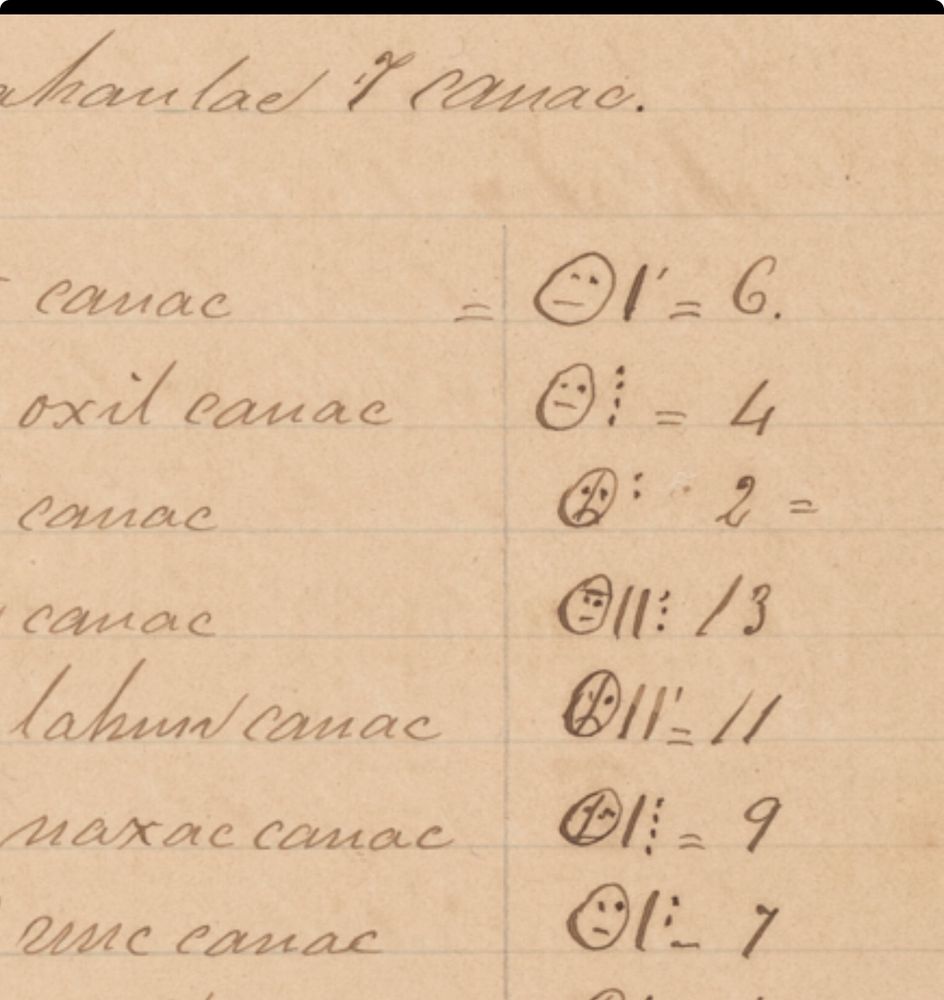
The last Maya hieroglyphs. Copied ca. 1877, from a lost indigenous historical chronicle in Mani, Yucatán. The glyphs are dates, marking the k’atuns (20 year) periods of history. From the copy of the Codex Perez, now at the Princeton University Library.
27.02.2025 01:12
👍 5
🔁 1
💬 1
📌 0
Bad-ass duck. Also, Daffy’s self-image.
27.02.2025 00:29
👍 2
🔁 1
💬 0
📌 0
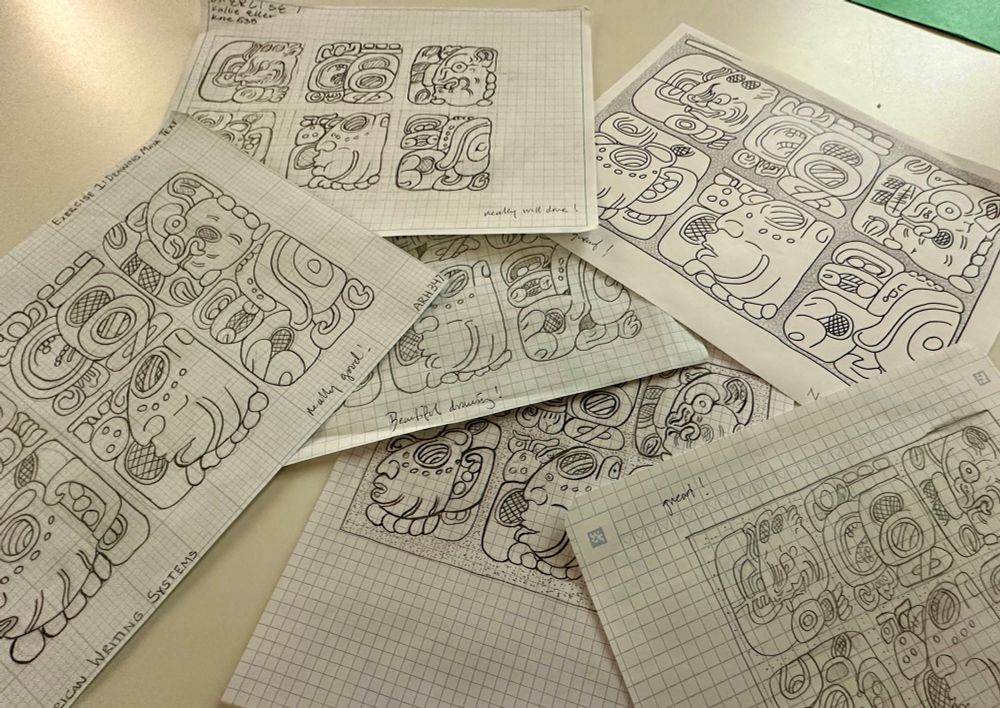
Very proud of my students who did outstanding drawings of Maya texts for their first assignment. None had any background in this stuff two weeks ago. I’ve seen far worse in published articles!
06.02.2025 16:21
👍 2
🔁 1
💬 0
📌 0
“Cultural heritage.” Now there’s a red flag! Absolute bullshit sweeping over the NSF.
04.02.2025 18:11
👍 2
🔁 0
💬 1
📌 0
Grrrrr….
31.01.2025 22:23
👍 0
🔁 0
💬 0
📌 0
Our article is coming out very soon in Antiquity, on an exciting find at the Maya site of Tikal (hint: foreign relations). Details to come!
25.01.2025 17:04
👍 2
🔁 1
💬 0
📌 0
Oligarchy (noun): A government of and by a few at the top, who exercise power for their own benefit. Their power and wealth increase as they make laws that favor themselves, manipulate financial markets, and create monopolies that put more wealth into their pockets.
20.01.2025 00:16
👍 29871
🔁 9704
💬 837
📌 450
I have 37 students in my Mesoamerican Writing Systems class. Holy crap (k’uhul ta’). Let’s go!
14.01.2025 16:44
👍 1
🔁 0
💬 1
📌 0
Seen one, seen ‘em all.
08.01.2025 01:09
👍 0
🔁 0
💬 0
📌 0
First drawing of a temple at Tikal, ca 1853. Earlier explorers Stephens and Catherwood (a better artist!) never penetrated the Petén region of Guatemala and Campeche, so their explorations completely missed many of the largest Maya sites, Tikal among them.
07.01.2025 14:04
👍 2
🔁 0
💬 2
📌 0
Those details may show the ancient graffiti on the walls inside. This particular drawing is probably of Temple V.
07.01.2025 12:48
👍 2
🔁 0
💬 0
📌 0
RIP Jimmy Carter. The only president I ever personally met. Back in 1981 he and his sons were on a fishing trip in Mexico near Playa del Carmen, and they stopped at Coba to see the Maya ruins. My father and I were there too, and we all had lunch, talking Georgia archaeology. Amazing day.
29.12.2024 23:06
👍 2
🔁 0
💬 0
📌 0
Truer words were never spoken!
18.12.2024 16:27
👍 1
🔁 0
💬 0
📌 0
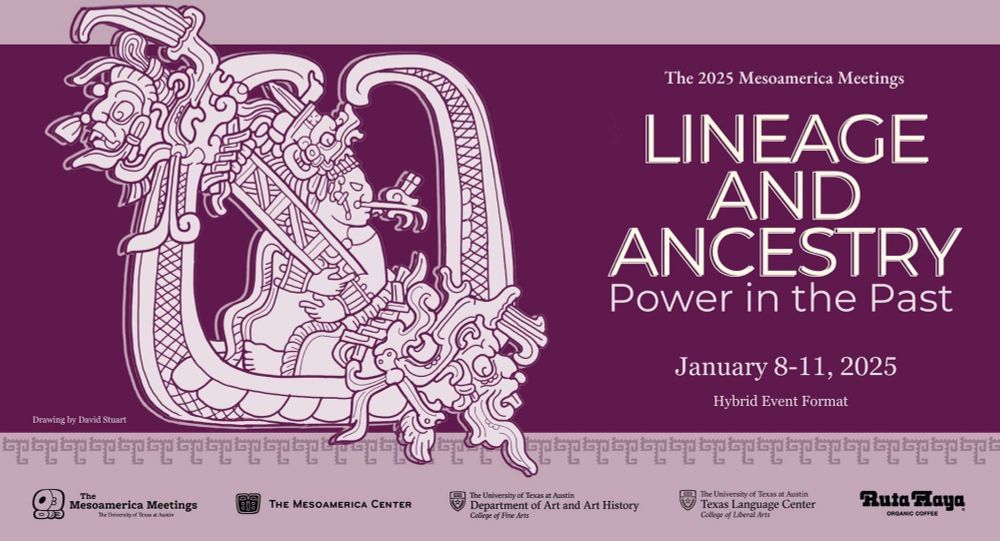
Next month in Austin we’ll be hosting a conference on this theme.
18.12.2024 04:52
👍 1
🔁 0
💬 0
📌 0
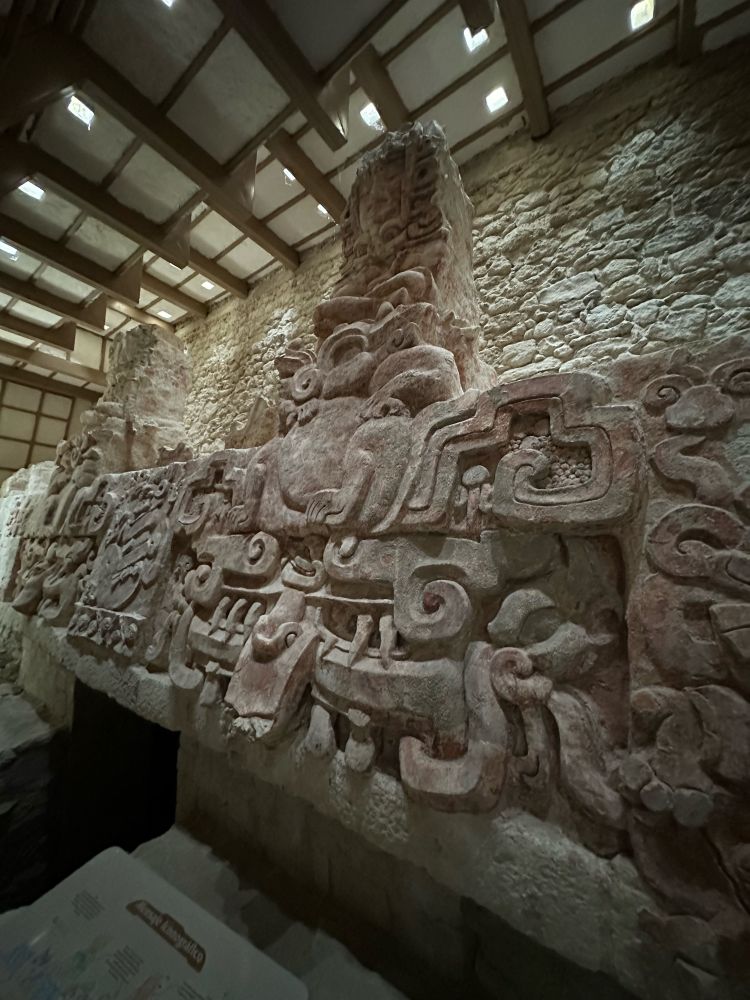
Stopped a few days ago at the Maya site of Balamku, known for its well preserved temple facade, ca. 400-450 CE. The iconography shows 4 ancestral figures being reborn from cosmic mountains. Similar ideas of landscape and ancestry are found today in Maya communities in highland Guatemala & Mexico.
18.12.2024 04:49
👍 7
🔁 0
💬 1
📌 0
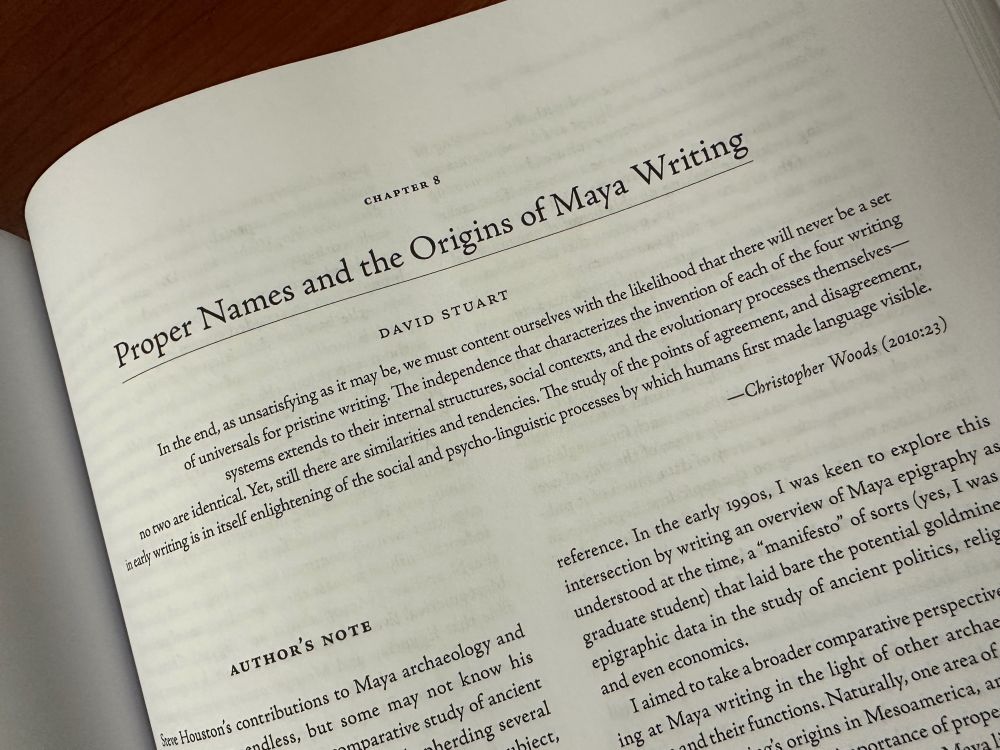
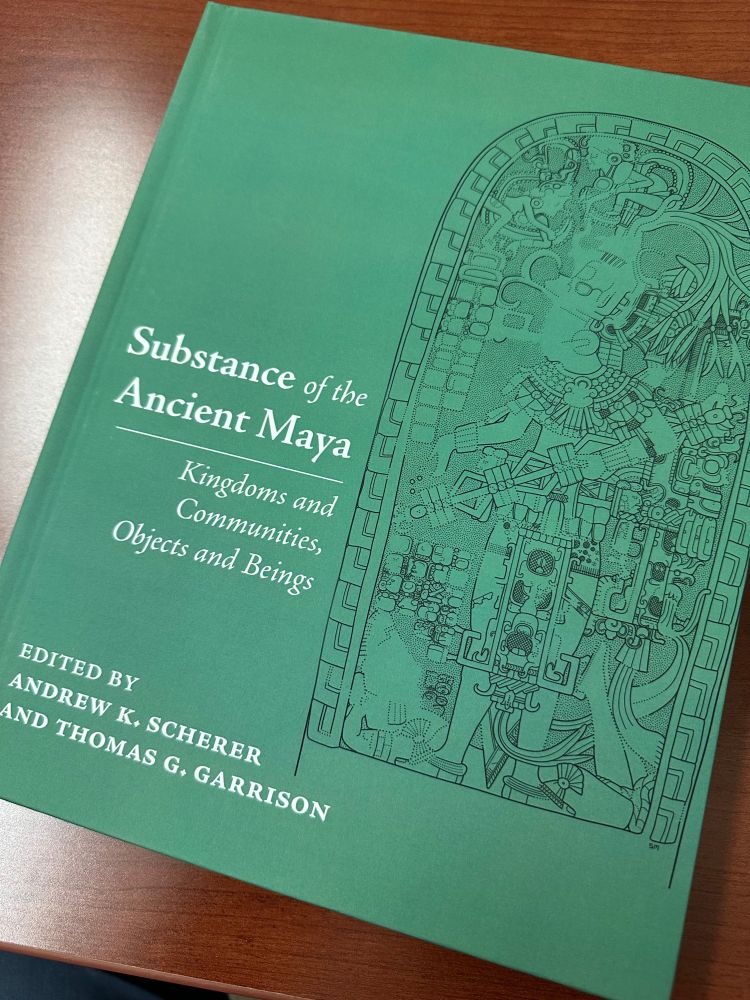
My new article is out, on the importance of naming in Maya and other early writing systems. Part of an excellent new book on Maya archaeology, art and history, in honor of my friend Steve Houston.
04.12.2024 15:40
👍 4
🔁 0
💬 0
📌 0