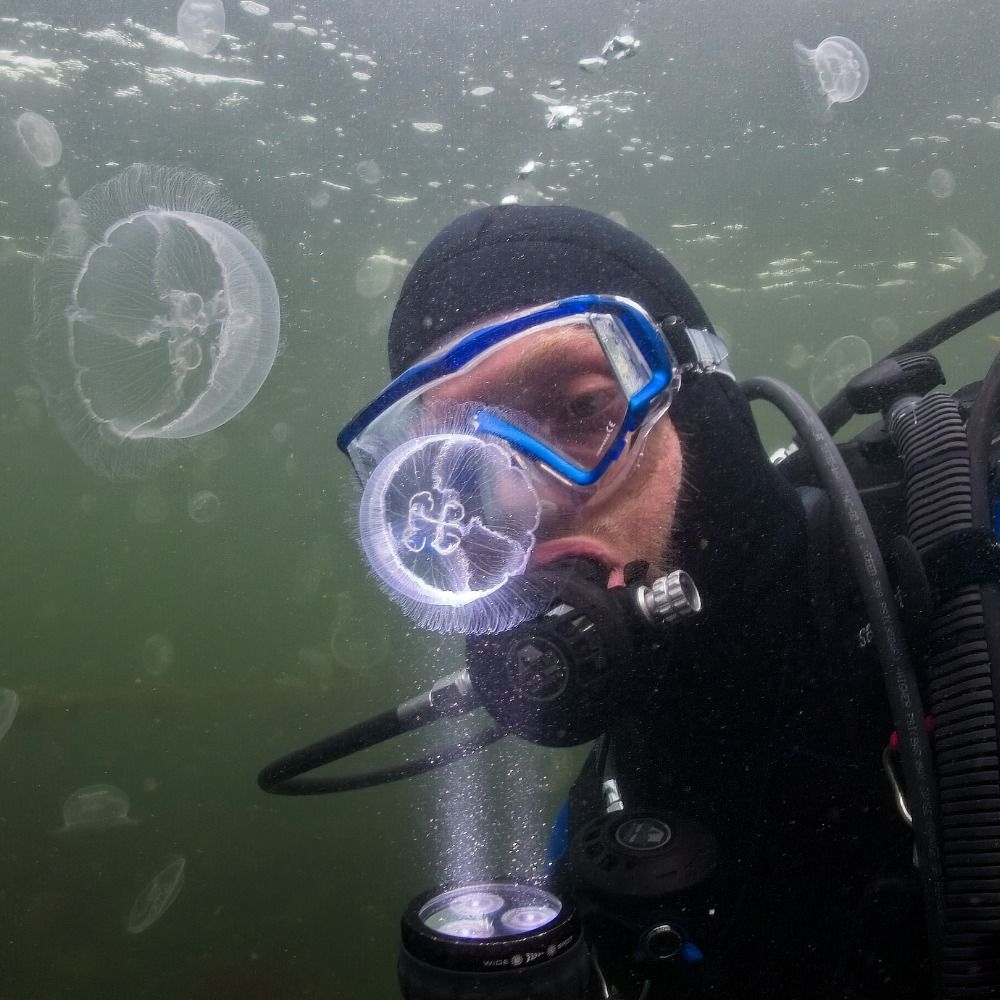
Hoi, lijkt mij ook snotolf inderdaad!
04.02.2025 11:51
👍 1
🔁 0
💬 0
📌 0
Hoi, lijkt mij ook snotolf inderdaad!
Van een ecologisch en economisch waardevol gebied naar een brakke stinkbak vol met PFAS en blauwalg. Top idee!
Great! Can you add me as well?

With all the parts in trans-neon colours DSSV Oithona looks especially stunning under blacklight! #LEGO #SHIPtember #MOC #UFO

DSSV Oithona lurks in deep space waiting to ambush unexpecting vessels of Insectoids and other factions. It is equipped with a wide range of long range sensors to detect nearby prey.
#LEGO #SHIPtember #MOC #UFO

For the #LEGO #SHIPtember build challenge (build a 100+ stud length spaceship in September) I built Deep Space Scavenging Vessel Oithona: a copepod-inspired spaceship in #UFO style! It uses about 2500 parts.
#MOC

In addition to the copepod I also built a #LEGO crab larva (zoea)! #plankton #MOC
What plankton organism should I build next?

Finally built the #LEGO #copepod I designed in Studio! Especially like the look of the Ninjago swords and scythes for mouthparts and legs. #plankton #MOC
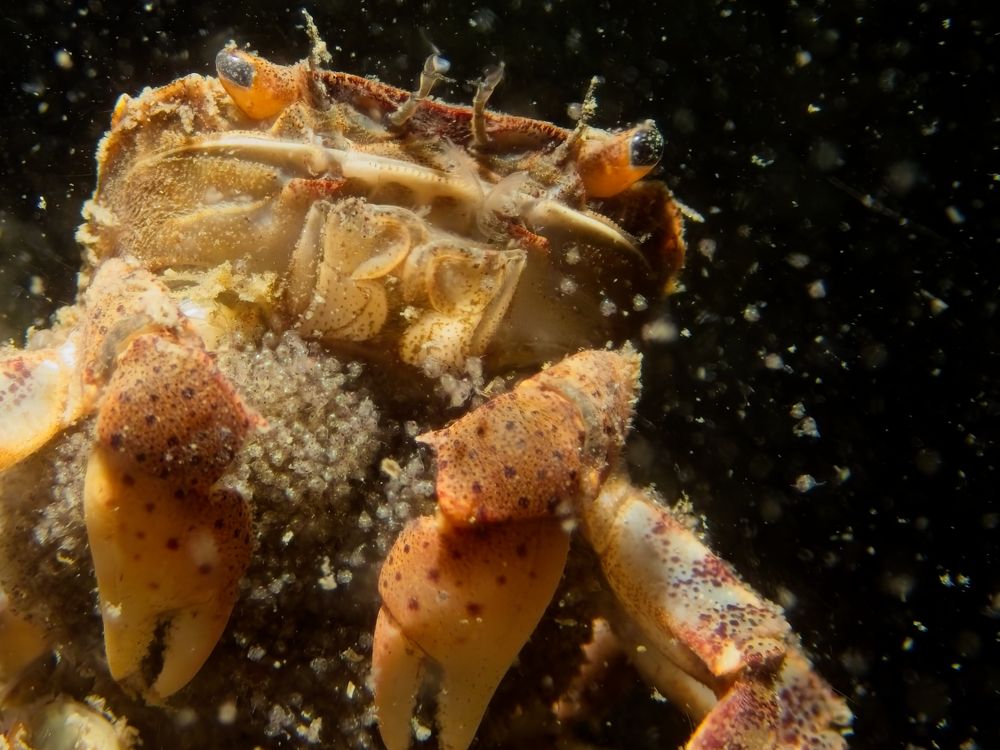
This female Japanese shore crab in the Wadden Sea was busy releasing her babies into the water! You can see the tiny zoea larvae being released into the plankton where they will live for several weeks and many will be eaten. The few survivors settle on the bottom again.


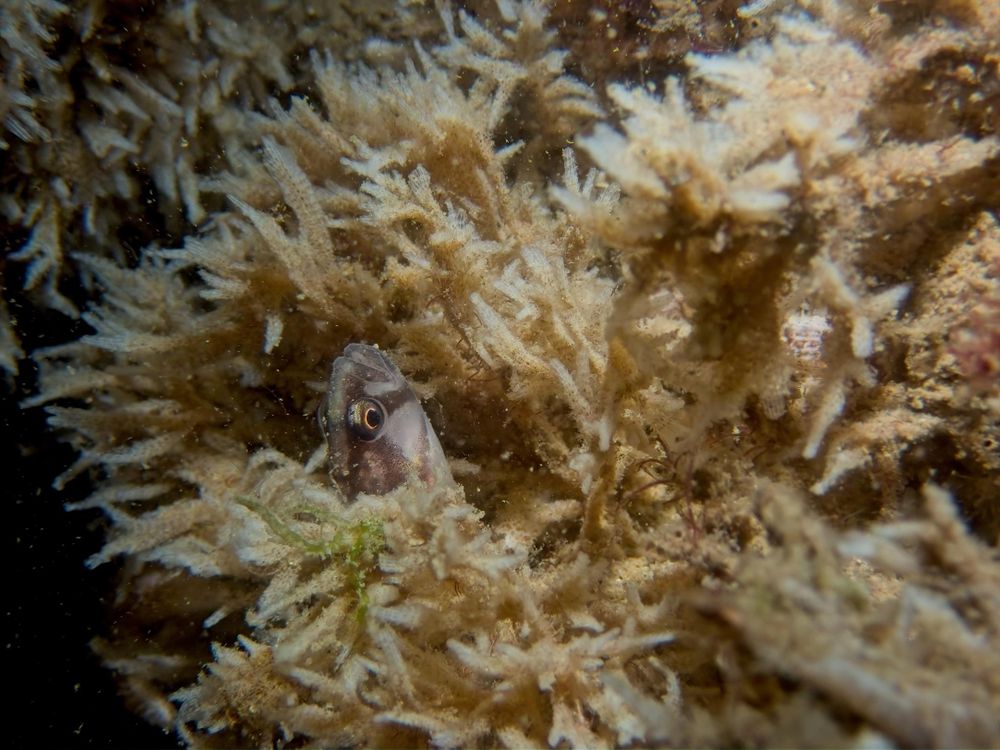

We saw a wide range of fish species during our dive in the Wadden Sea off #Texel such as tompot blenny, whiting, rock gunnel, longspined bullhead, fivebeard rockling and even a seabass!


The huge mussel spatfall in the Wadden Sea caused a feeding frenzy of sea stars and crabs! Likely within a few weeks most of the mussels will be eaten or washed away by the tides.


Diving in the Wadden Sea is rarely possible because of the extremely turbid conditions, but last week we could finally dive again due to very calm conditions. We discovered that every available surface was covered by a thick layer of juvenile mussels "seed"!

Interested in pursuing a PhD in zooplankton ecology? We have three PhD positions available! The PhDs will study different aspects of zooplankton ecology in a changing North Sea, based at
NIOZ with additional supervision by us at WMR.
Info: workingat.nioz.nl/o/...

This week we @WURmarine are trialing the use of the Plankton Imager on RV Tridens during the ICES herring larvae survey in the English Channel. Continuous sampling of zooplankton composition at 1000s of images per min. First images look great! #Plankton #MarineLife.

The Norway Lobster Nephrops norvegicus also has planktonic larvae which grow quite big before settling. They are instantly recognisable because of their huge spoiler-like telson! #Plankton #MarineLife

Beautifully written piece in the NYT about the latest paper from @nikohensley.bsky.social describing incredible and coordinated blue-waves of bioluminescence in Panamá #evolution 🧪🦑 #invertebrate www.nytimes.com/2023/11/28/s...
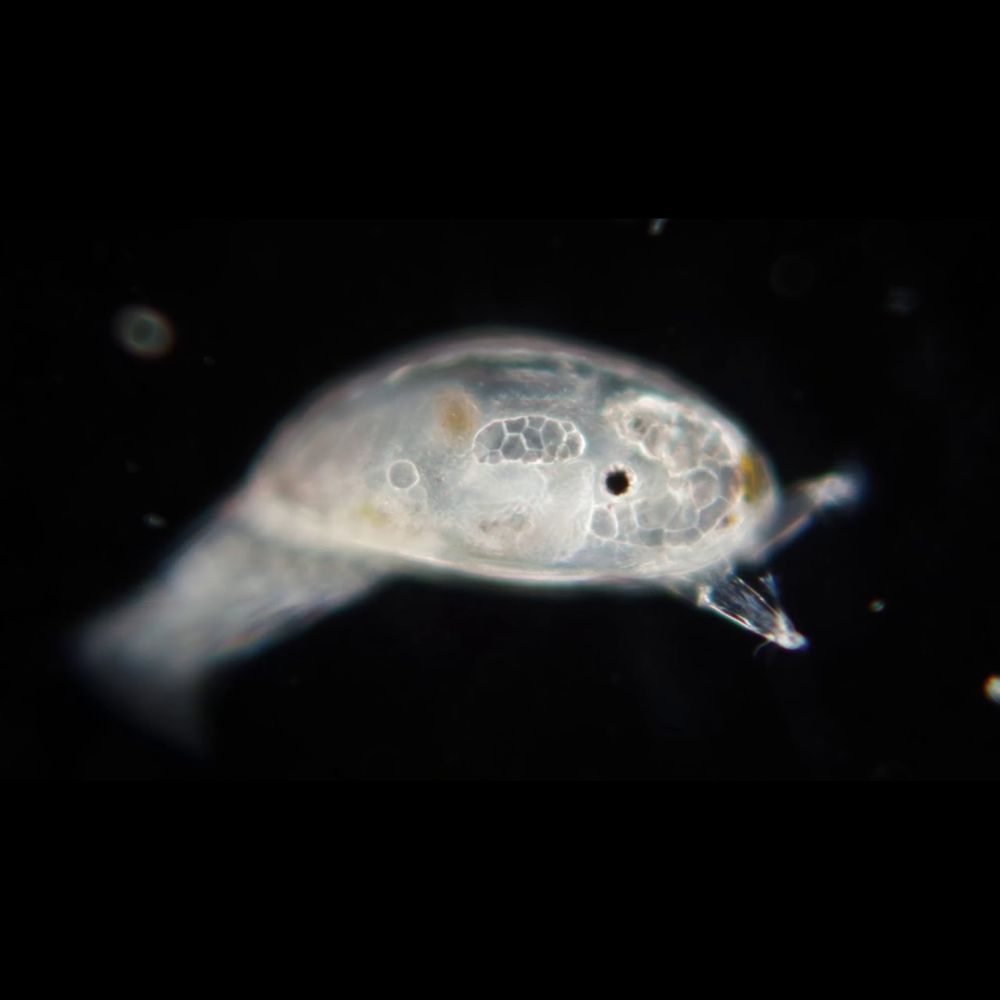
Check out my website for a video of how they touch the substrate: www.youtube.com/watch?v=fwIA...

When the barnacle larva transforms into its final stage, the cypris larva, it is ready to settle. It swims around sniffing for other barnacles and a nice rock to settle on. Once found it glues itself to the rock and is stuck forever!
#Plankton #MarineLife

yooo, new true jelly (scyphozoa) dropped! santjordia pagesi, based on two specimens collected 8 years apart from the sumisu caldera south of japan. genetic analysis places it in the ulmaridae family but it's unique enough to merit its own subfamily. 🧪🦑
mapress.com/zt/article/v...

Barnacles have larvae in the plankton as well! The nauplius larva reveals their crustacean origin - it looks similar to the copepod nauplius larva but can be recognised by the two "horns" and the way it swims rowing its appendages.
#Plankton #MarineLife

Phyllosoma larvae are quite rare in the plankton and I only found a few, like this one I found on a Mediterranean holiday. Here imaged using an old school (100+years) microscopic illumination technique called Rheinberg Illumination.
#Plankton #MarineLife

Perhaps the weirdest and coolest crustacean larvae are the thin, flat and transparent Phyllosoma larvae of spiny lobsters, slipper lobsters and relatives. They can often be seen riding on- and eating jellyfish!
#plankton #MarineLife

After moulting a few times as zoea larva the crabs enter their final larval stage; the megalopa which already looks like a tiny adult crab, which will settle on the seafloor. These crab larvae are voraceous predators of the plankton!
#plankton #MarineLife

This is the cutest crab larva of all: the larva of the pea crab Pinnotheres pisum! It has only small spines and is already as round as the adults.
#plankton #MarineLife

zoea larva of a brackish water crab ( Rhithropanopeus harrisii)
Here is another zoea larva of a brackish water crab ( Rhithropanopeus harrisii). This one has super long spines!
#plankton #MarineLife
Yes! 👋 Lots of wonderful shots on your instagram!

Crab larval morphology and organogenesis from the Zoea I to the Megalopa based on micro-CT analyses
Perhaps this paper has the answer? www.researchgate.net/publication/...
Cool! Must be challenging to assign these larvae to an adult taxon since you can't use DNA like for extant fauna.

Crustaceans such as crabs, shrimp and even barnacles often have a larval stage in the plankton. These can have bizarre shapes! This is a zoea stage larva of a crab, which has long spines to decrease its chance of being eaten by predators. #plankton #MarineLife