Thanks!! 👍👍😁
12.02.2026 18:27
👍 0
🔁 0
💬 0
📌 0
Thanks!! 👍👍😁
New blog alert!!
I’m delighted to announce I’ve started a new blog in the hope I can share some fascinating facts about #micropalaeontology and #geoarchaeology! In light of my interests there’ll probably often be a focus on little critters like #pollen and #diatoms!
percs.co.uk/micropalaeon...
The blog also therefore discusses how #microfossils can be used to assist archaeologists learn about past landscapes and how this helps us appreciate how humans have interacted with the environment over thousands of years.
Enjoy!
percs.co.uk/micropalaeon...
The first blog hopes to introduce the principles of #micropalaeontology and how it has deep roots in the disciplin of #biostratigraphy. However micropalaeo also has many other applications, particularly in the field of palaeoenvironmental reconstruction.
New blog alert!!
I’m delighted to announce I’ve started a new blog in the hope I can share some fascinating facts about #micropalaeontology and #geoarchaeology! In light of my interests there’ll probably often be a focus on little critters like #pollen and #diatoms!
percs.co.uk/micropalaeon...

Finally, I also presented some of the results of a project with @archsoutheast.bsky.social in which we analysed boreholes as part of the Richborough Connection Project. The project was also the first to be commissioned when I went freelance, so it means a lot to see the progress made by all! 🔬😊😊


There were sessions dedicated to celebrating the 40th anniversary of the Association’s very own journal, the Journal of Quaternary Science, as well as a keynote from Becky Briant in which she described the benefits of closer ties with ground engineering specialists as part of her current Fellowship

It’s been a very enjoyable few days in Brighton for the @quaternaryra.bsky.social annual discussion meeting! There’s been some great talks spanning glaciology, sedimentology and palaeoecology, in addition to a dedicated session to highlight efforts made to improve Equality, Diversity & Inclusivity


Very excited to be visiting Brighton for the @quaternaryra.bsky.social #QRA2026ADM! Love the city and looking forward to hearing about the latest #Quaternary research
Be warned, you’ll have the archaeological community in uproar!
Excited to be attending the 2025 British Diatom Meeting in Bristol this weekend! Looking forward to meeting up with fellow #diatom enthusiasts and learn about some of the current research being undertaken across both modern and palaeo diatom studies!

Director of QUEST and Lecturer in #Archaeology (Teaching-Research)
University of Reading - Department of Archaeology #skystorians 🗃️www.jobs.ac.uk/job/DOW165/d...


Each #microscope slide is a tiny window into the past 😊. This #diatom slide was from a sequence of samples from offshore southern North Sea, and is full of only freshwater species! This is because during the Early #Holocene much of the southern North Sea was land, connecting the UK to Europe!

We're happy to announce that abstract submission for the 45th AEA conference, on 4th-6th December 2025, in Stavanger, Norway is OPEN!
Visit aeastavanger.wordpress.com for info, cost details coming soon!
Abstract Submission by 15/08/25: nettskjema.no/a/525786
#environmentalarchaeology #AEA
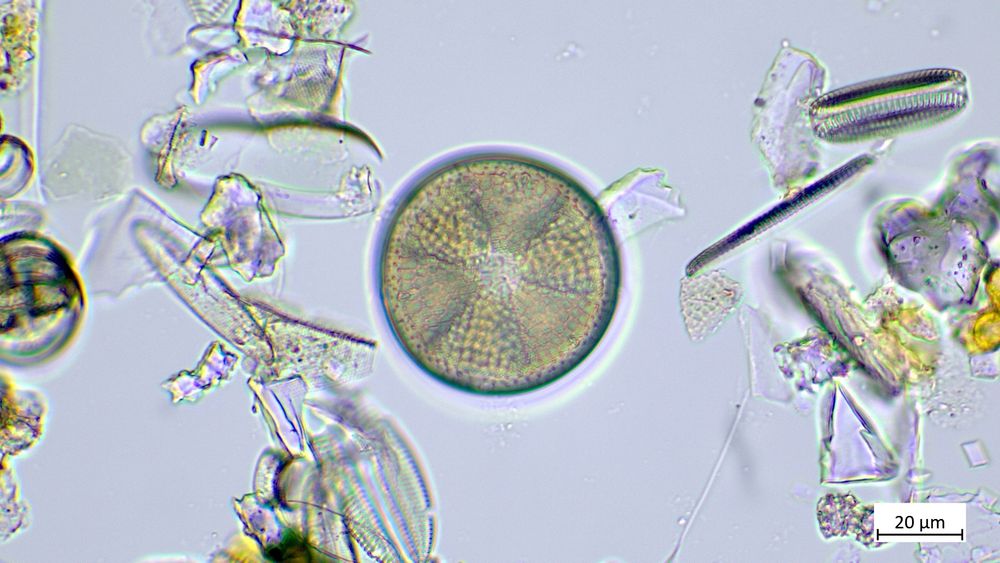
One of my all time favourites 😊
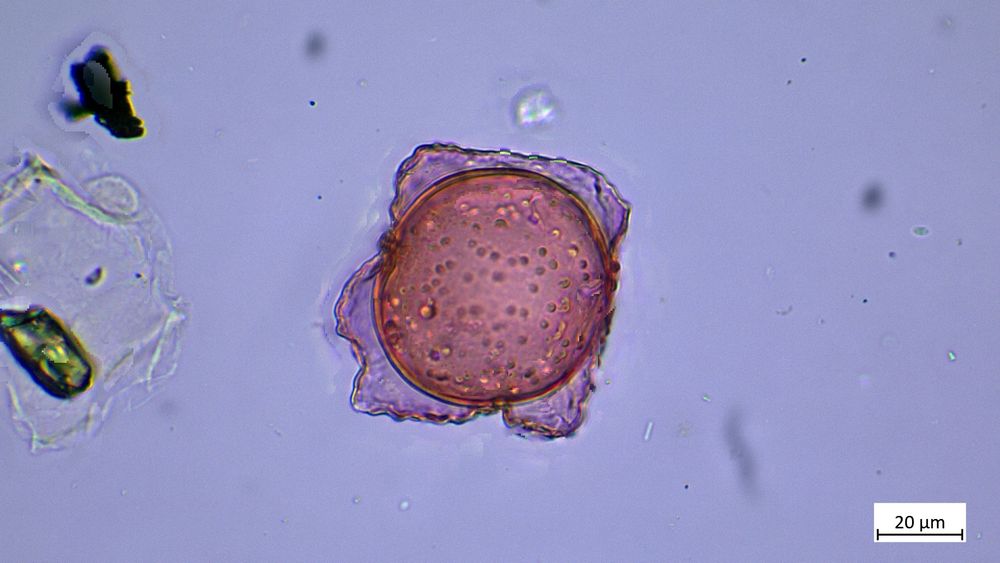
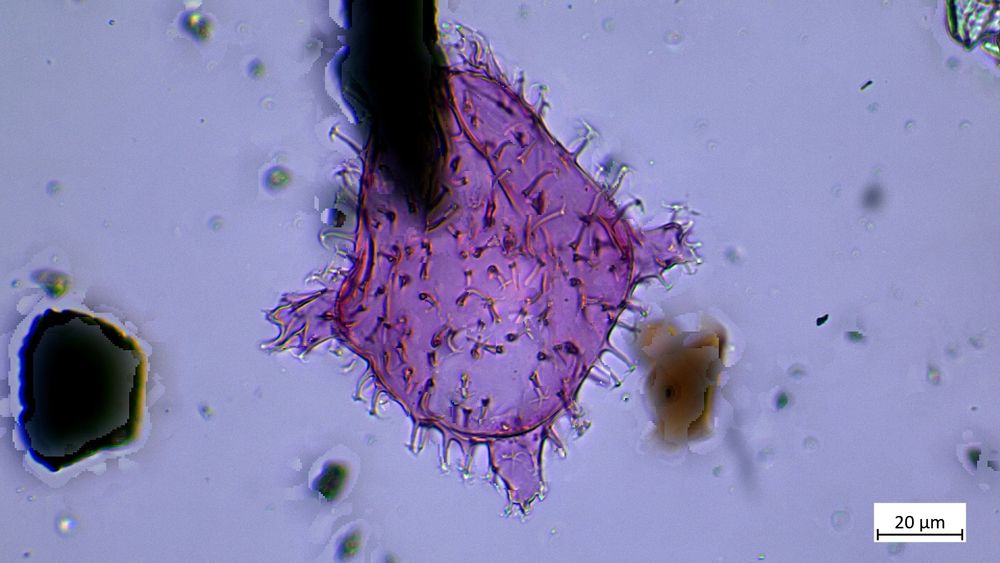
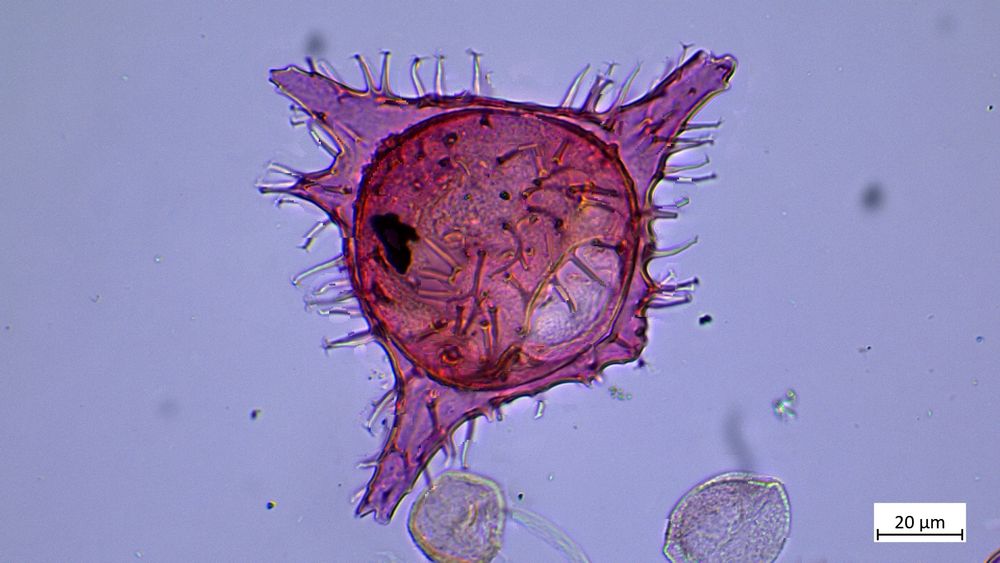
Playing with my new #microscope and camera setup, came across some beautiful reworked #Eocene #dinoflagellate cysts, in #pollen slides from some #Holocene estuarine alluvium!
Near Keadby, N. Lincs! Still awaiting final dates to confirm chronology. Commercial archaeology project, so can’t say much more at this stage!

The Dan David Prize is the world’s largest history prize, annually awarding 9 prizes of $300,000 each to early and midcareer scholars and practitioners in the historical disciplines.
Nominees can come from *any field* related to the study of the human past, both within academia and outside it.
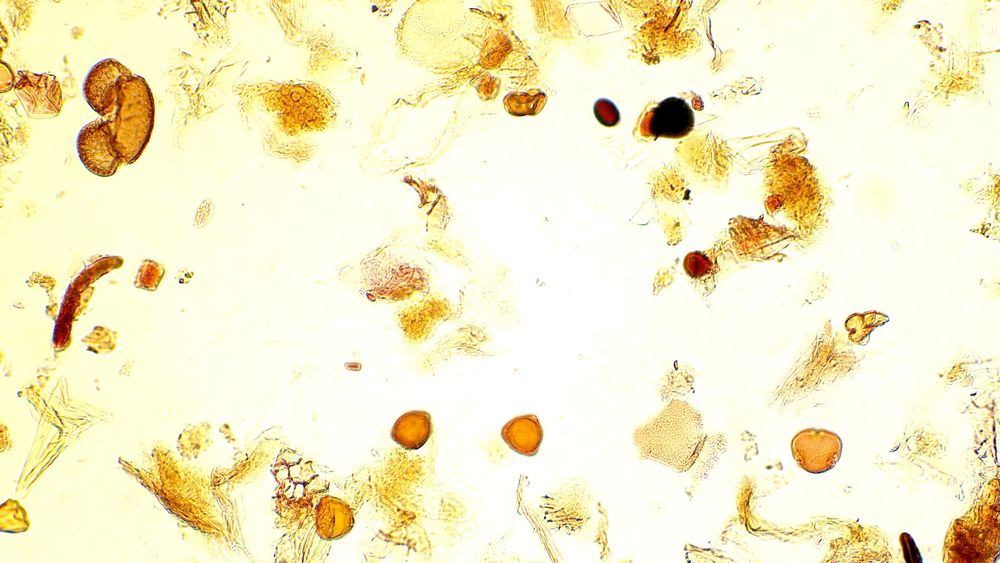
Enjoying counting some rather nice #pollen samples from a #Neolithic peatland site in N England, UK. Rammed with well preserved grains with pine, hazel and lime visible here. Sequence also includes alder, elm, oak, birch and ivy. A native UK #woodland summarised in one pollen sample!
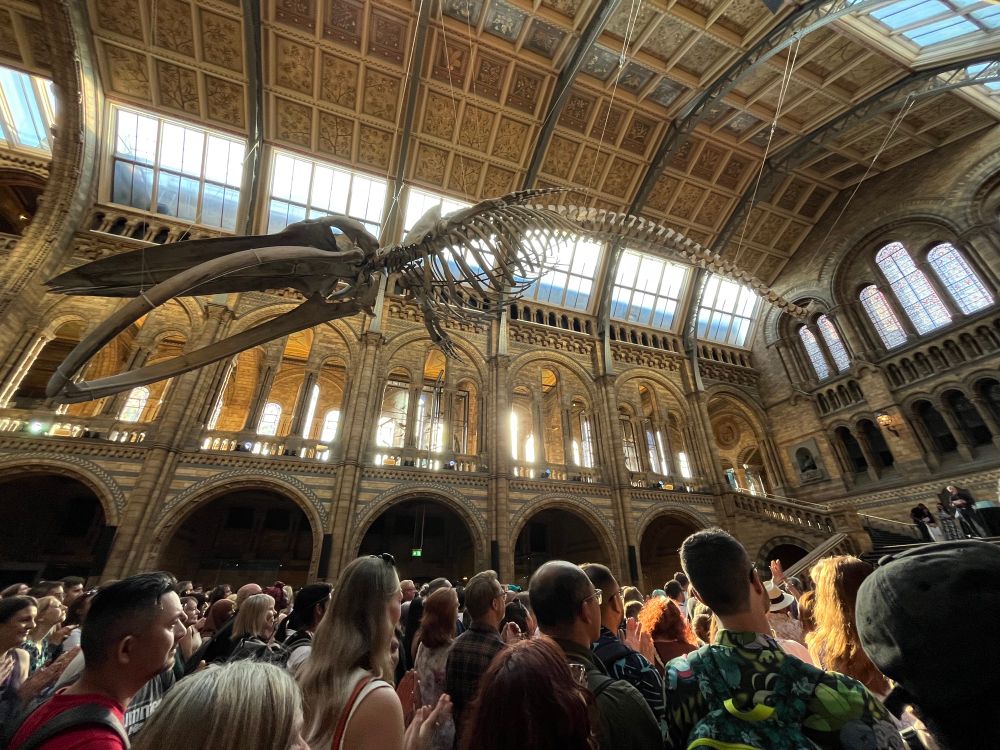
I had a great time yesterday attending the Summer Social at @nhm-london.bsky.social . Having worked there for 9 years, I’m fortunate to remain a Scientific Associate and be able to continue to work (and socialise!) with so many inspiring people 😁
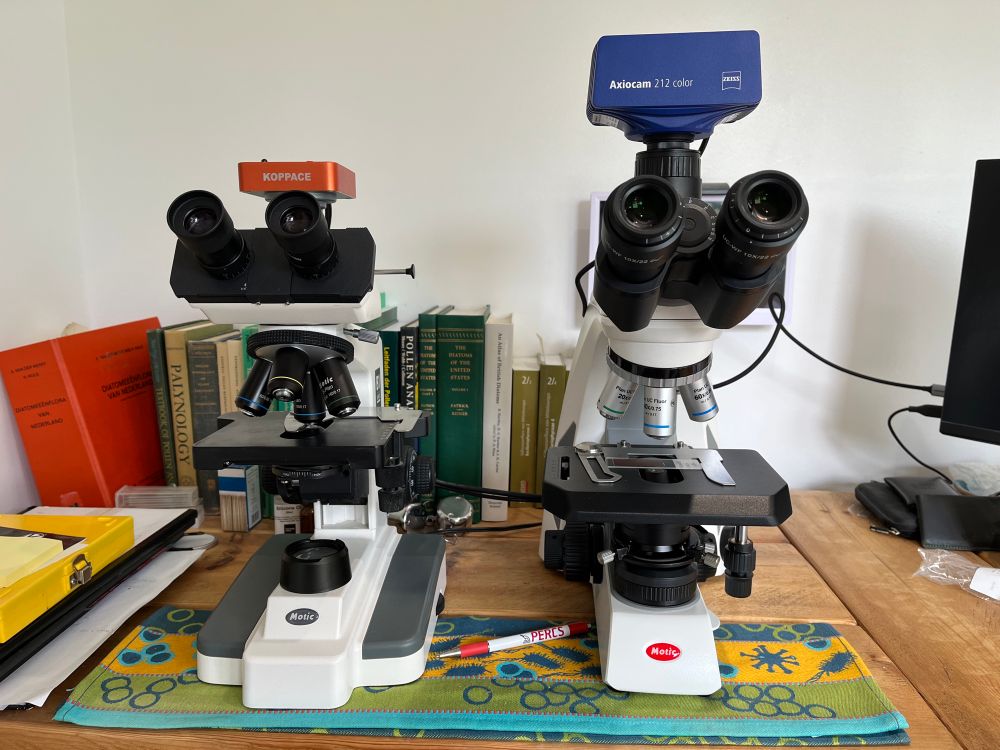
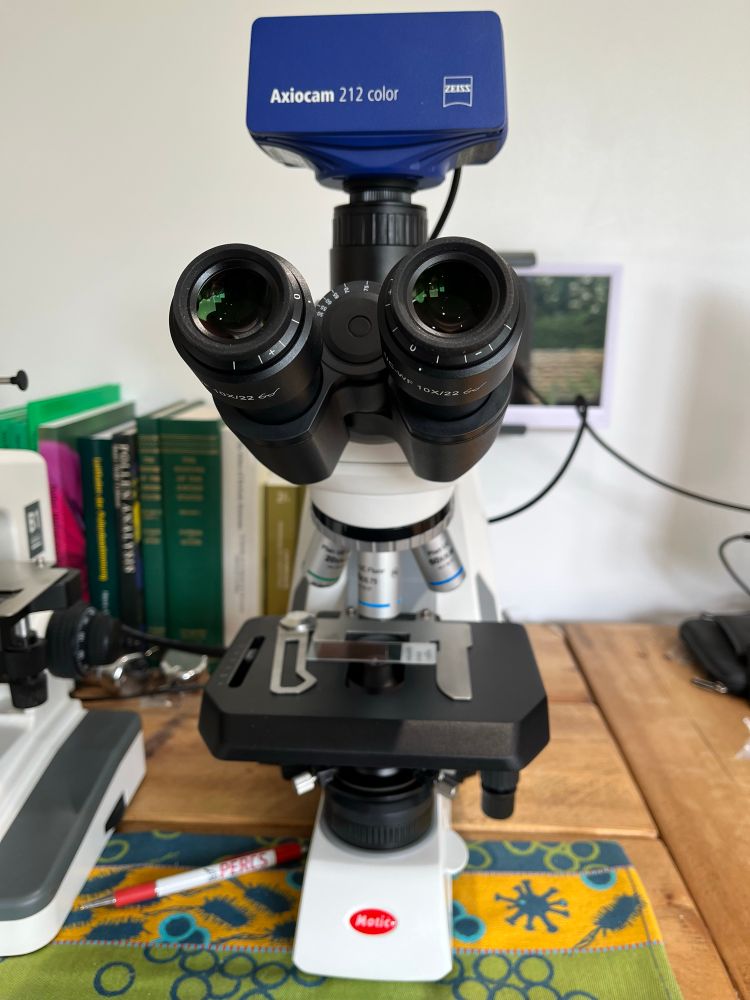
New microscope to celebrate 4yrs of being a freelance #geoarch #micropalaeontology consultant! Decided to stick with #Motic, as the image quality is 💪💪👌👌, easily comparable to leica, Olympus etc, plus fraction of price! #pollen #diatoms

Rectangular trench in a muddy environment, in which sit many wooden planks and logs in situ, arranged to form a trackway.
5800-year-old wooden trackway from Neolithic Britain, preserved in the waterlogged environment #NationalTrailsDay 🏺
Wetlands are home to some of the world's best-preserved archaeology, but they are under threat from climate change.
Learn more 🆓 doi.org/10.15184/aqy...

Micropal (Foraminifera) postdoc position 😎 available at Köln University (Germany), with Patrick Grunert. 🌊 🧪
academicpositions.com/ad/universit...

📢📢 Paid training placements!!
We are offering two 15-day internships to give those studying in relevant disciplines the opportunity to experience working in the heritage sector as part of a paid internship.
Find out more here: msdsmarine.com/paid-interns...
#archaeology #maritimeheritage
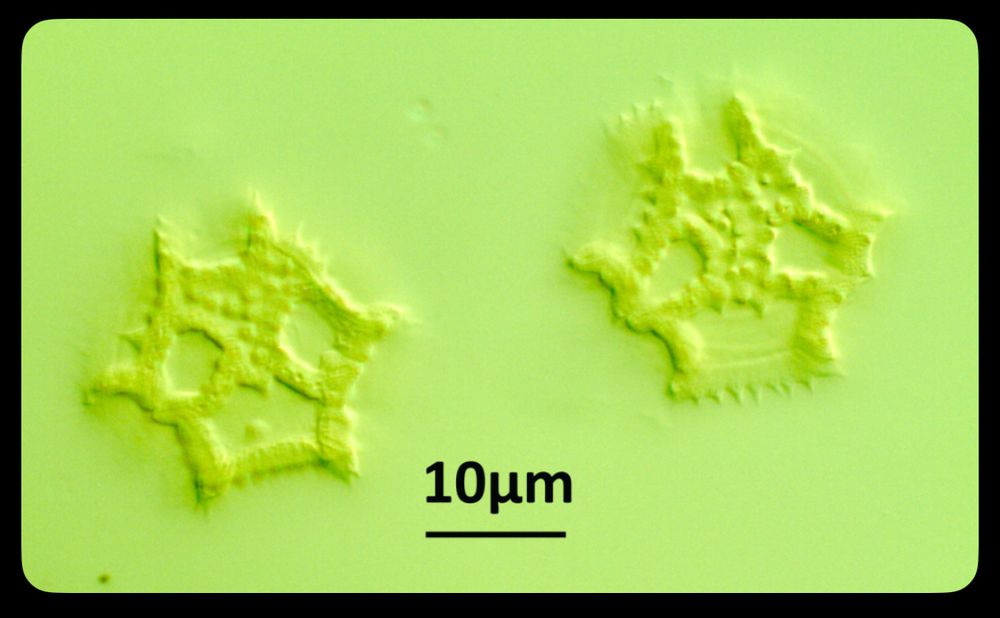
If you’re having a bad day…. Just say hello to these #pollen grains of #Lactuca (lettuce), who are smiling at you 😃
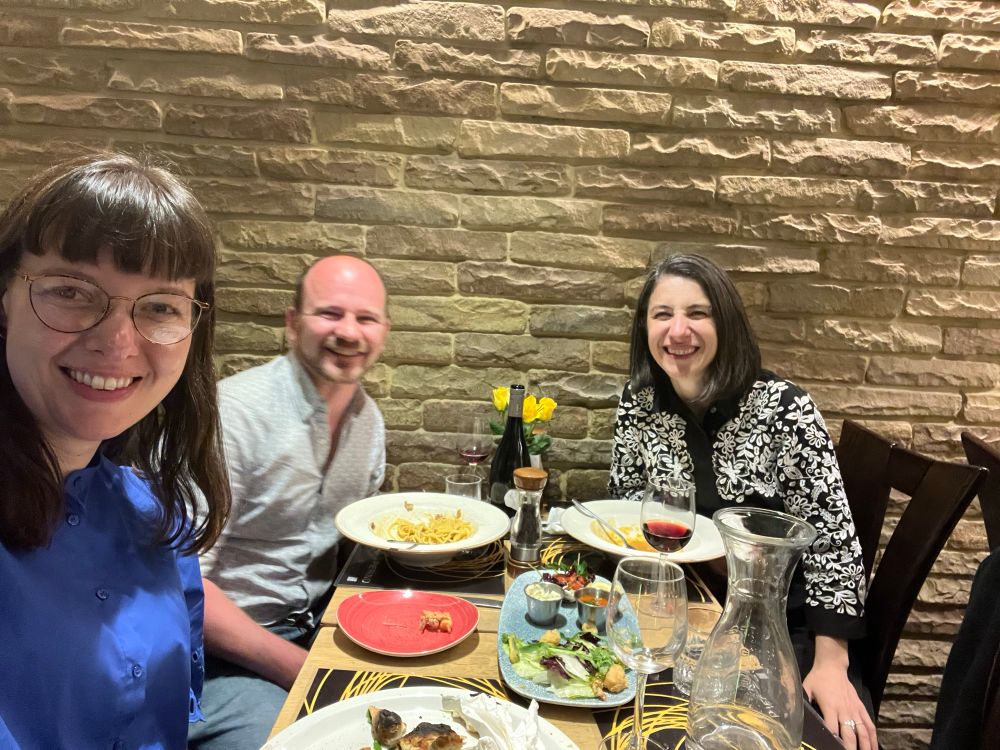
Great opportunity to also catch up with some great friends who regularly worked with John, at his Favorite South Kensington restaurant, Pierinos ☺️☺️
John was an incredible scientist. Not only was he an expert in the application of #foraminifera and #ostracods in geological deposits, but he was also the leading #geoarchaeologist in his field, applying calcareous #microfossils to reconstructing environments to #archaeological contexts
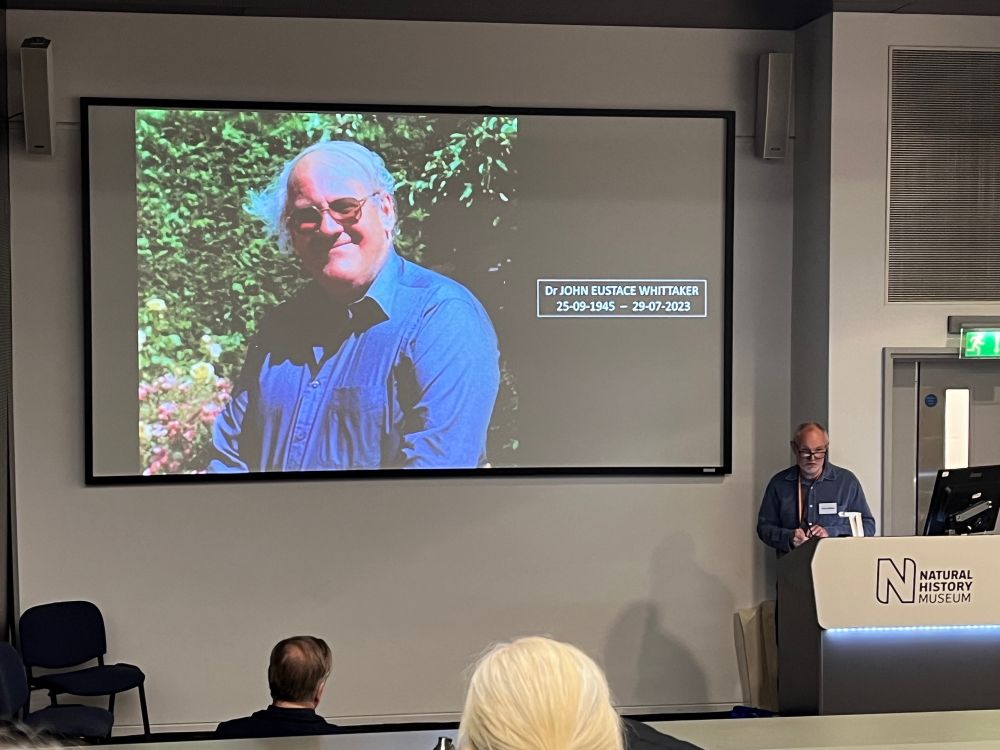
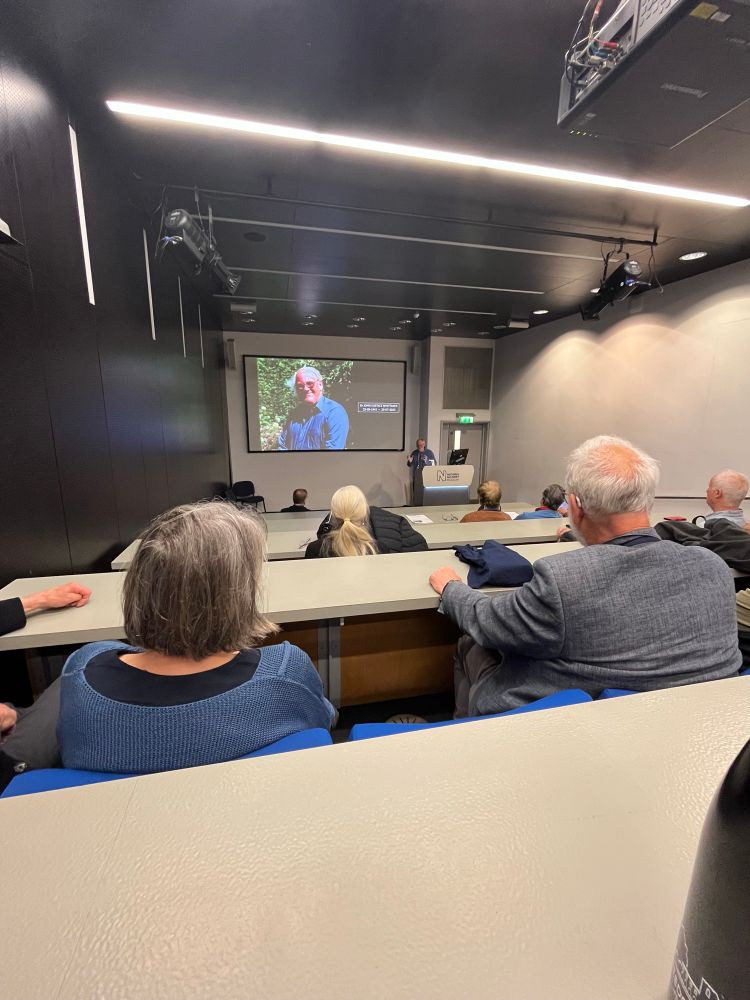
On Wednesday we said farewell to a true legend in #foraminifera and #ostracoda, John Whittaker. John spent almost all his career at the NHM in London, so it was fitting to celebrate his life there, surrounded by his colleagues, friends and family.
Pssst...yeah you mate...interested in Alasdair Whittle's new paper on the interconnectivity between Britain and Ireland 6000 years ago, during the development of the Neolithic? It's niche but rich stuff. I'll do you a deal, mate.
www.cambridge.org/core/journal...
