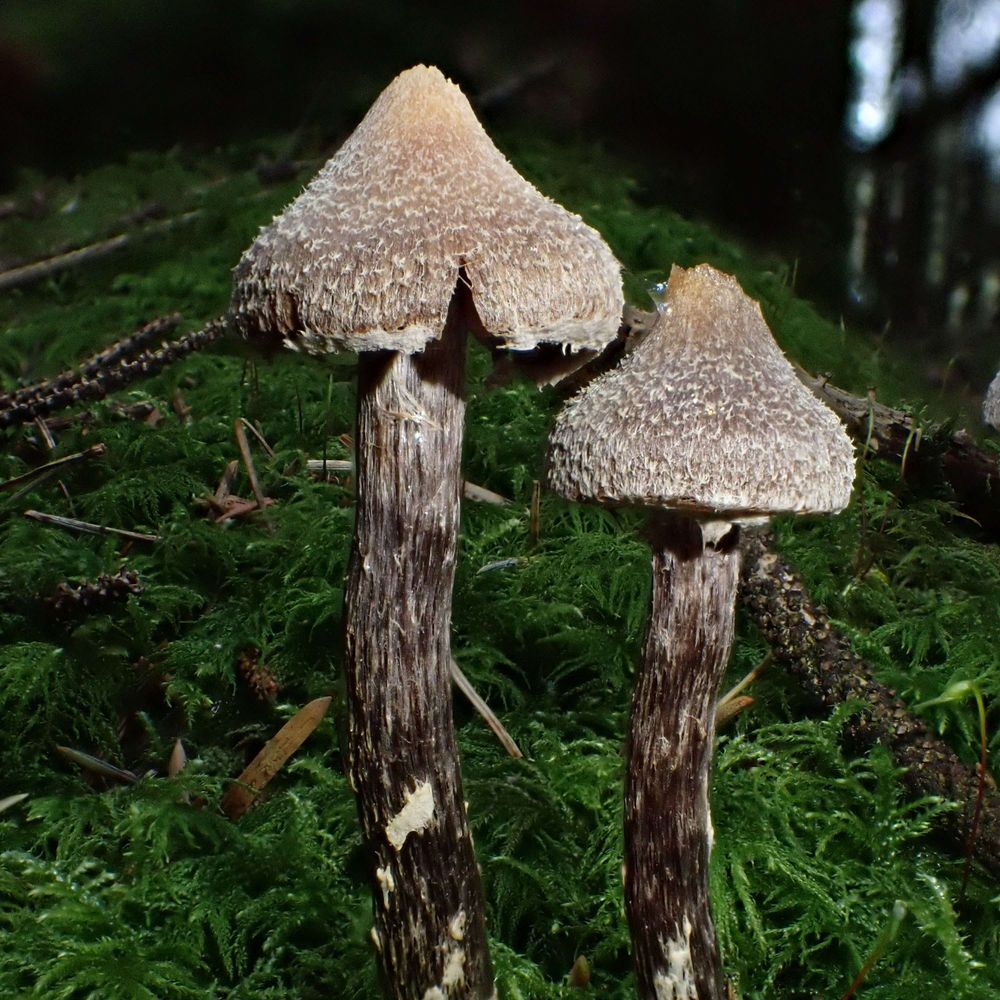
I think I have only found it once, caerulea is by far the commonest, in just the habitat types you mention. I know Alan, been in the field with him.
20.10.2025 15:19
👍 1
🔁 0
💬 1
📌 0
I think I have only found it once, caerulea is by far the commonest, in just the habitat types you mention. I know Alan, been in the field with him.
None of those features are definitive, there are some macro-morphological characters that can point towards this scarce species, eg gill edge colouration, but even with this it needs to be recorded as a possible.
Why not S. caerulea (syn cyanea)? Checked chrysocystidia?

Seven Boletids in a single day in a West Yorkshire valley, from top left clockwize - Suillus grevillei, Imleria badia, Xerocomellus cisalpinus, Leccinum scabrum, L. cyaneobasileucum, Xerocomellus pruinatus, Neoboletus erythropus.

Endemic plants of Bulgaria, about 170 species are endemic to the country, mostly in the uplands, although the mountains of SW Bulgaria share much of their flora with adjacent countries. @wildflowerhour.bsky.social @europeanorchids.bsky.social

The best of the Blues from SW Bulgaria #Lycainidae #Lepidoptera #Butterflies

Having never found a Houseleek in their native habitat before, I was very please to come across 3 species in SW Bulgaria @wildflowerhour.bsky.social @europeanorchids.bsky.social

Primroses of the mountains of SW Bulgaria, the endemic Rila Primrose particularly exciting to find @europeanorchids.bsky.social @wildflowerhour.bsky.social

A few of the best Fritillaries from SW Bulgaria in June-July 2025, Only saw one Cynthia's but the high meadows on Vihren were covered in 100,000's of caterpillars #Lepidoptera #Butterflies

Some Burnets Zygaena from SW Bulgaria #Moths #Zygaena #Burnets #teammoth

Saxifrages of SW Bulgaria @wildflowerhour.bsky.social @europeanorchids.bsky.social
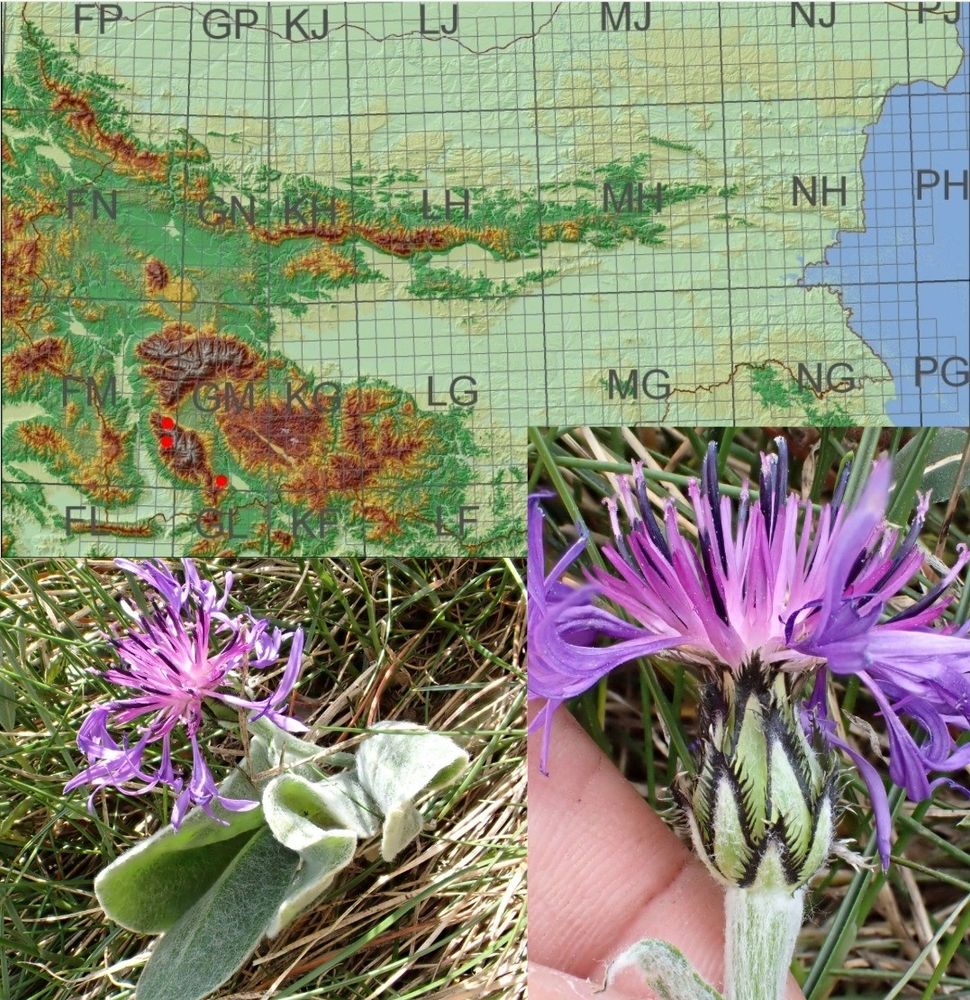
Possibly one of the rarest plants I found in Bulgaria, endemic to the Pirin Mountains - Centaurea achtarovii @wildflowerhour.bsky.social @europeanorchids.bsky.social
Yes, I know it well, shall be there this evening😊
The two 5-spot burnets are essentially indistinguishable as adults in the field. Habitat and presence of food plant are indicative but not definitive. In my experience in North Somerset Z. lonicerae are common while trifolii is vanishingly rare. But things are always changing!
That one is certainly showing the features of fasciatus, but we have 3 species in Britain!
Presumably Zygaena lonicerae? in that habitat both could be present.
I don't think this can be fasciatus, possibly sexualis?
Opiliones, harvestman
Which race are your Dorset insects?
Right, such variation in Z. lonicerae seems to be very rare, I see lots of them. In Z.t.palustrella these fused spots seem common, but I've not seen them in Z.t.trifolii, although said to occur? Frequency?
Is this equally frequent in both ssp? I have seen many palustrella like this but rarely Z.t. trifolii, not that I have seen many of the latter recently.
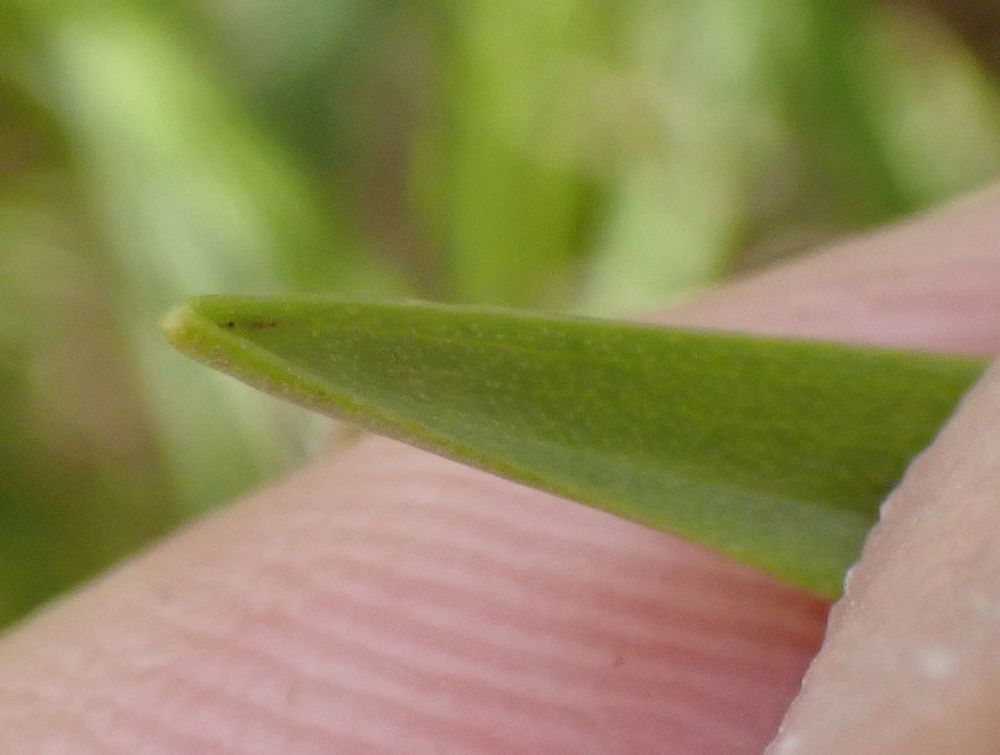
btw what about leaf tip of xwintoni? the middle one in the collage had a typical incarnata leaf tip.
can't
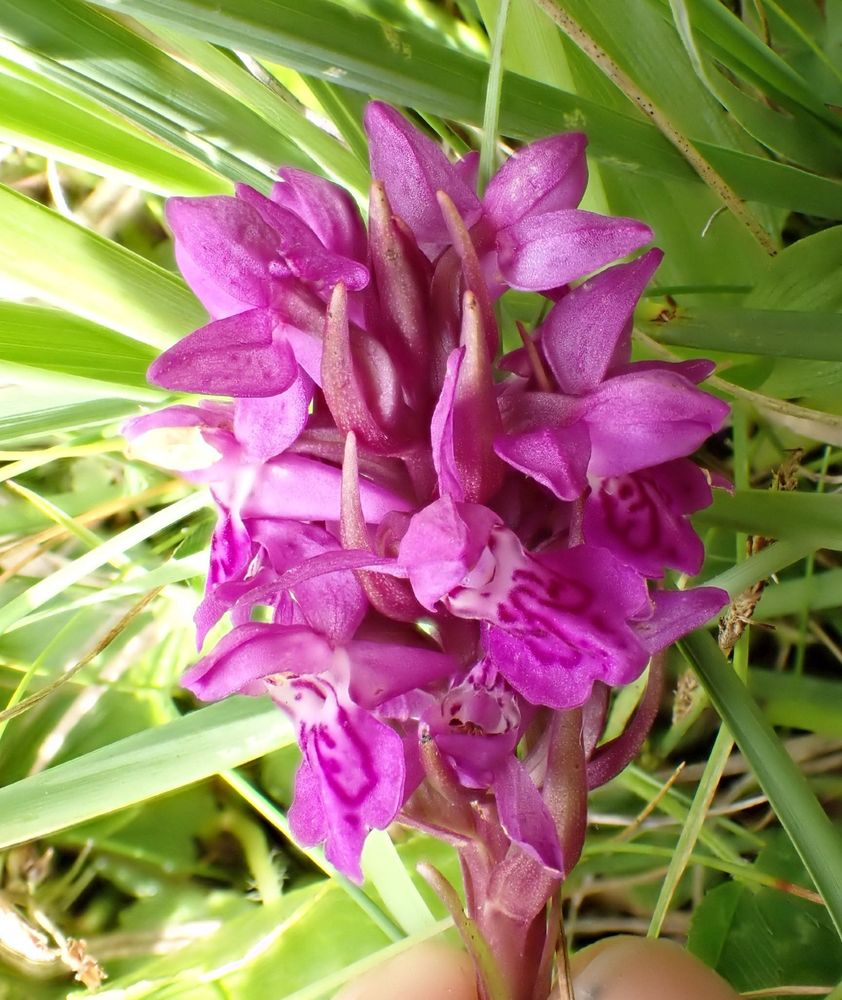
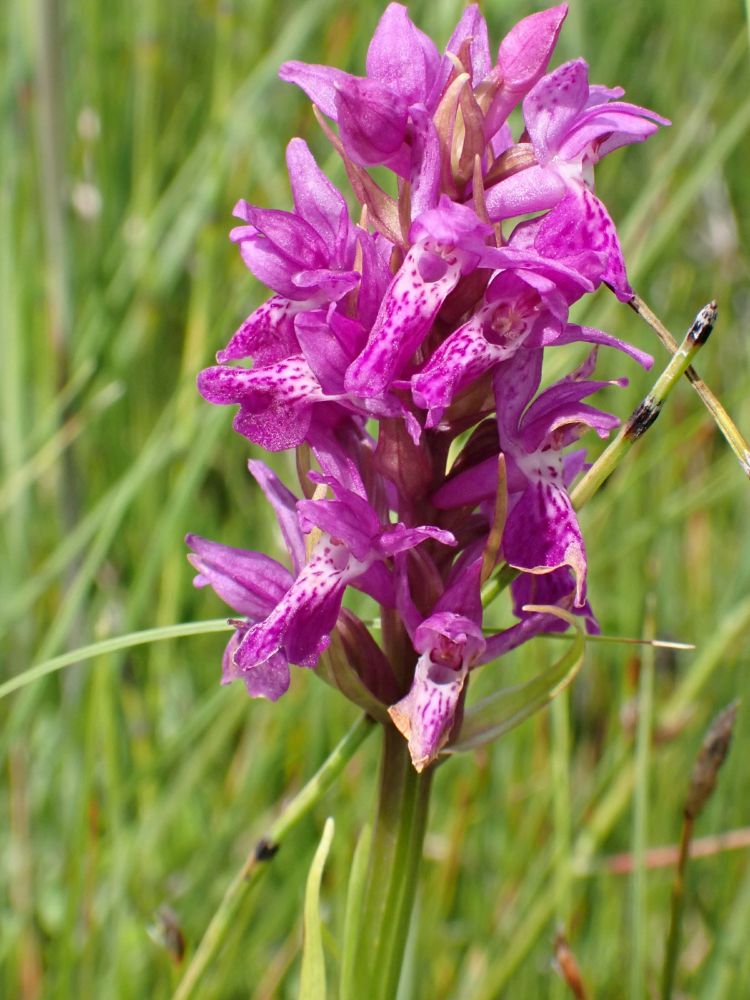
Thanks Sean, I did identify a couple of plants as xwintoni but wasn't at all sure. I know, but I like to record things at the finest level available literature allows, can always amalgamate records later but can disassociate them if didn't take note.
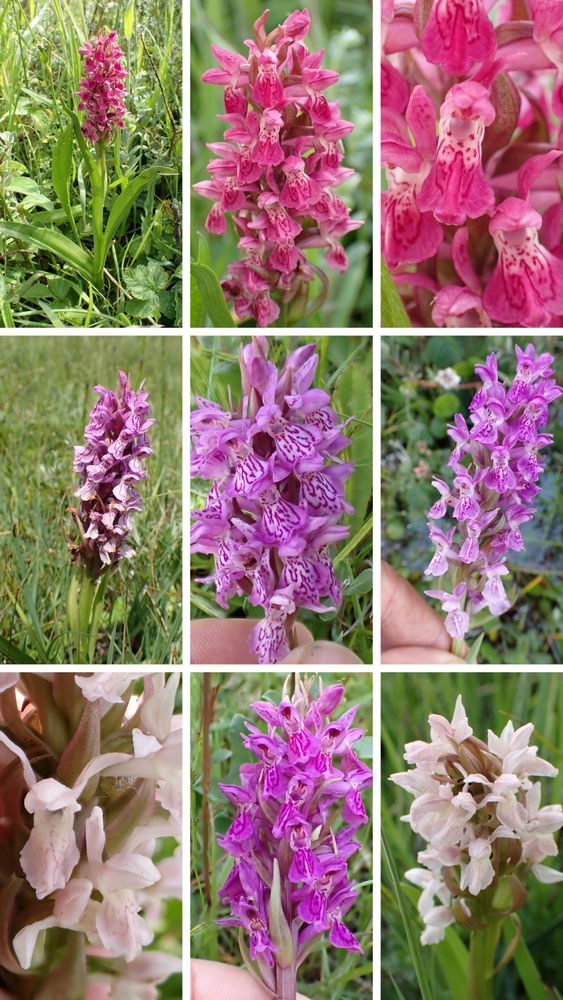
Some of the variety of Dactylorhiza incarnata, Early Marsh Orchid at Kenfig. Top Dactylorhiza (incarnata) coccinea, middle showing characteristics of Dactylorhiza (incarnata) lobelii, bottom perhaps Dactylorhiza incarnata incarnata var dunensis? @ukorchids.bsky.social @europeanorchids.bsky.social
Or are they are doing the opposite, trying to stand out by looking like an inflorescence very attractive to insects?
👍
that strongly suggests Adscita geryon especially of you are in the S of England?
You mention "Downs" which suggests Helianthemum, the food plant of Cistus Forester? but both might be possible.
Ah, not in my library, every book chooses its own taxonomy! Does it really call it a ssp?