
We are excited to share the preprint for a new project, "Finding the groove in neural space". www.medrxiv.org/content/10.6...
1/4
02.03.2026 17:40
👍 3
🔁 1
💬 1
📌 0
@corticalbionics
Collaboration between University of Pittsburgh, University of Chicago and Northwestern researchers to develop a brain-computer interface for prosthetic arm and hand control with sensory feedback.
We are excited to share the preprint for a new project, "Finding the groove in neural space". www.medrxiv.org/content/10.6...
1/4

Huge thanks to our generous sponsors — Blackrock Neurotech, Cleveland FES Center, Brain Products / Brain Vision, and CorTec — for supporting the BCI Society’s SfN Social 2025! Your partnership makes this special event possible.
Learn more: bcisociety.org/bci-social-a...
#BCISocial #SfN2025

The BCI Society is excited to introduce a new, discounted membership for BCI users and their family members or caregivers.
See bcisociety.org/membership/ for details.
This work was led by Charles Greenspon, Taylor Hobbs and Rob Gaunt with help from many other CBRG researchers including, on Bluesky: @jenpitt.bsky.social @johndowney.bsky.social @giacomovalle.bsky.social @jeffweiss.bsky.social @joelye.bsky.social
We saw zero serious adverse events. Moreover, delivering millions of pulses had no effect on electrode health or changes in neural excitability.
This is the first long term study of ICMS in humans and shows that it can be safe to use for clinical devices.

The most recent CBRG preprint on intracortical microstimulation is now available! Over 24 combined years across 5 participants, we delivered 168 million!!! pulses of stimulation and recorded everything that happened.
www.medrxiv.org/content/10.1...
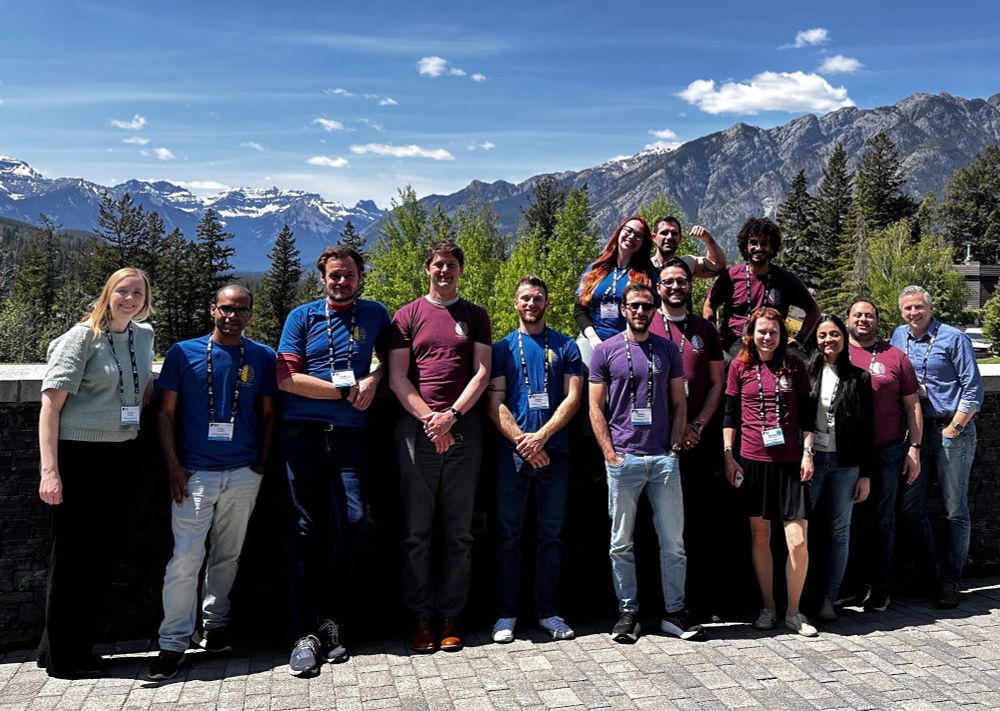
The current and former CBRG members who attended the BCI Society Meeting, gathered together in front of a spectacular mountain view.
We had a great time at the @bcisociety.bsky.social meeting in Banff, Canada. We gathered almost all (@hunterschone.bsky.social?) the CBRG attendees (current and former) for the official photo.
@jenpitt.bsky.social @giacomovalle.bsky.social @johndowney.bsky.social @miskarous.bsky.social
These results are an important step towards invoking accurate sensation of touch on a person’s paralyzed hand and creating an artificial limb that seamlessly integrates into a person’s unique sensory world.
Great work by the whole CBRG team, and a big thank you to our dedicated participants.
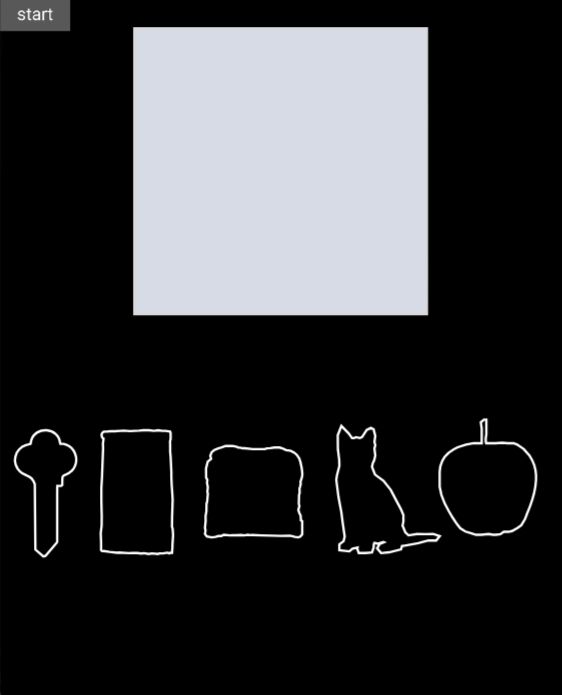
The screen presented during the object identification task. Participants could "touch" the blank box, then identify which object it is from the silhouettes presented at the bottom.
The sensations were then replayed, without seeing the object, and they could still identify the object, albeit with mistakes. They often mistakenly selected objects with similar properties (cats and towels are both soft), suggesting that the sensations contained intuitive object features.
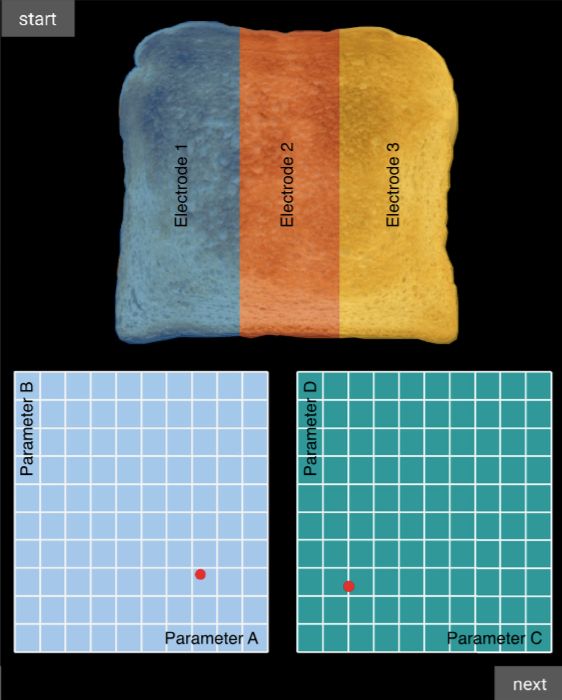
An image of the test setup. When participants could move the red dots in 2 2D planes to change 4 stimulation parameters to which they were blinded. Then they, or an assistant, could touch the digital object and trigger stimulation with the selected parameters on the electrodes to feel if it matched their expectations of the object.
Participants saw an object and edited parameters of their artificially created sense of touch to match. Participants described, e.g., the warm fur of a purring cat, or the smooth rigid surface of a door key.
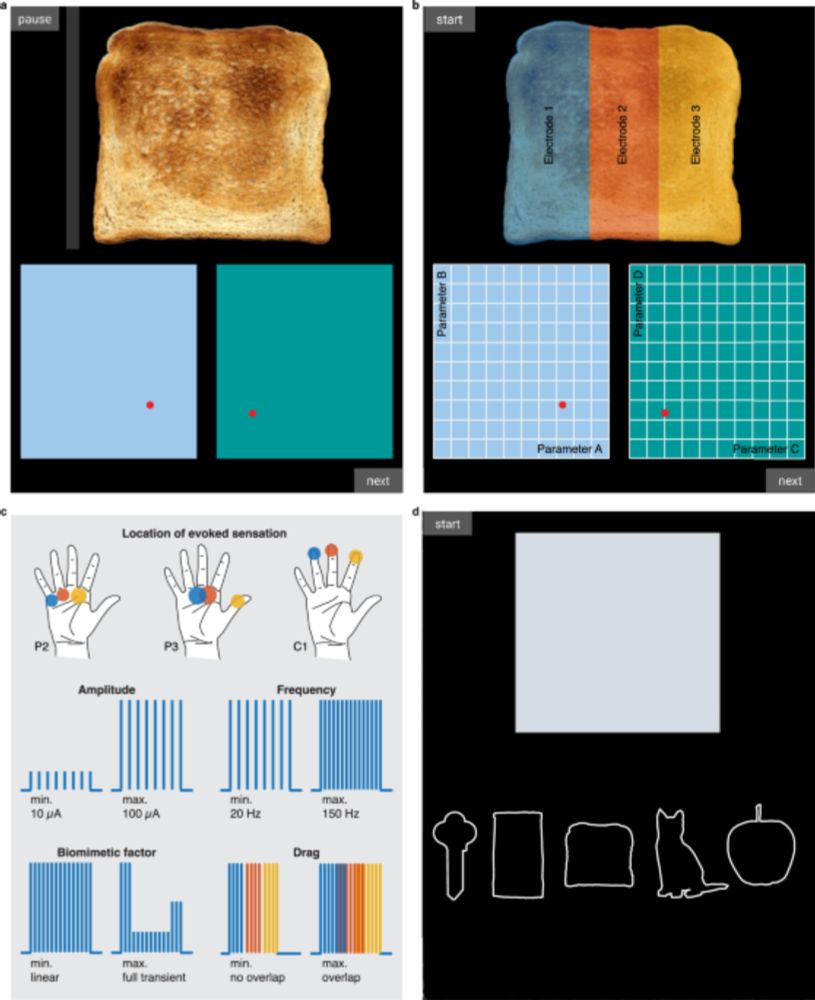
Here’s our latest publication, from Ceci Verbaarschot and colleagues. In this study, participants controlled their own implanted BCI brain stimulation patterns to create customized sensations.
www.nature.com/articles/s41...
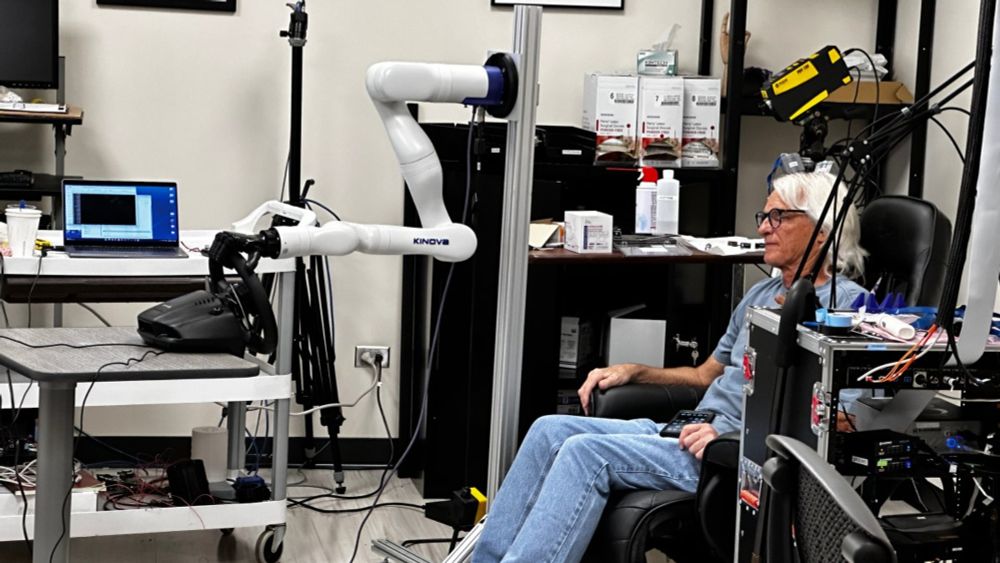
Our work featured in:
@thetimes.com by Tom Whipple
www.thetimes.com/uk/science/a...
Check out @giacomovalle.bsky.social's summary of our new paper showing the details that we can convey to BCI users through spatio-temporally patterned stimulation in somatosensory cortex. This is a great step towards restoring natural sensation from future prosthetic hands.
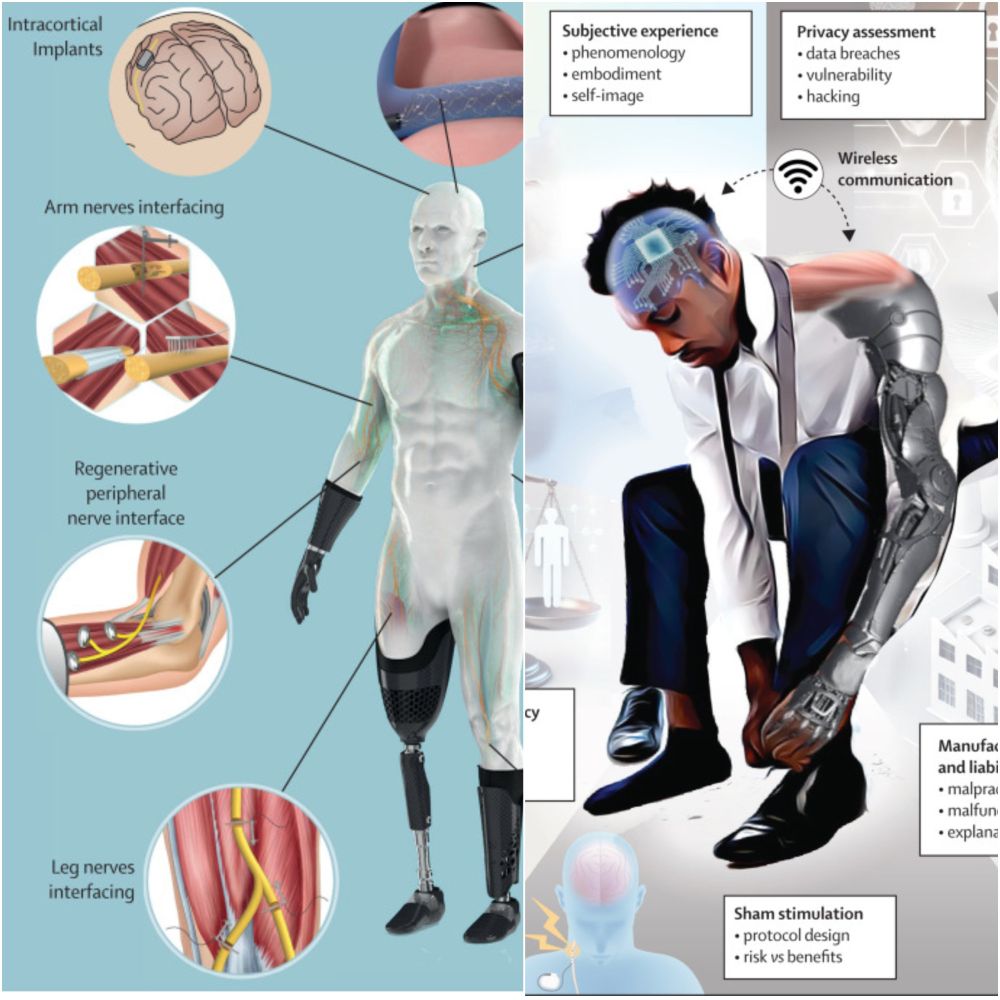
Our paper examining the #ethical and #technical requirements in clinical trials for implantable neural prostheses is out in #LancetDigitalHealth today.
www.thelancet.com/journals/lan...
Neural Bionics Lab Chalmers University of Technology @corticalbionics.bsky.social #neuroprosthetics

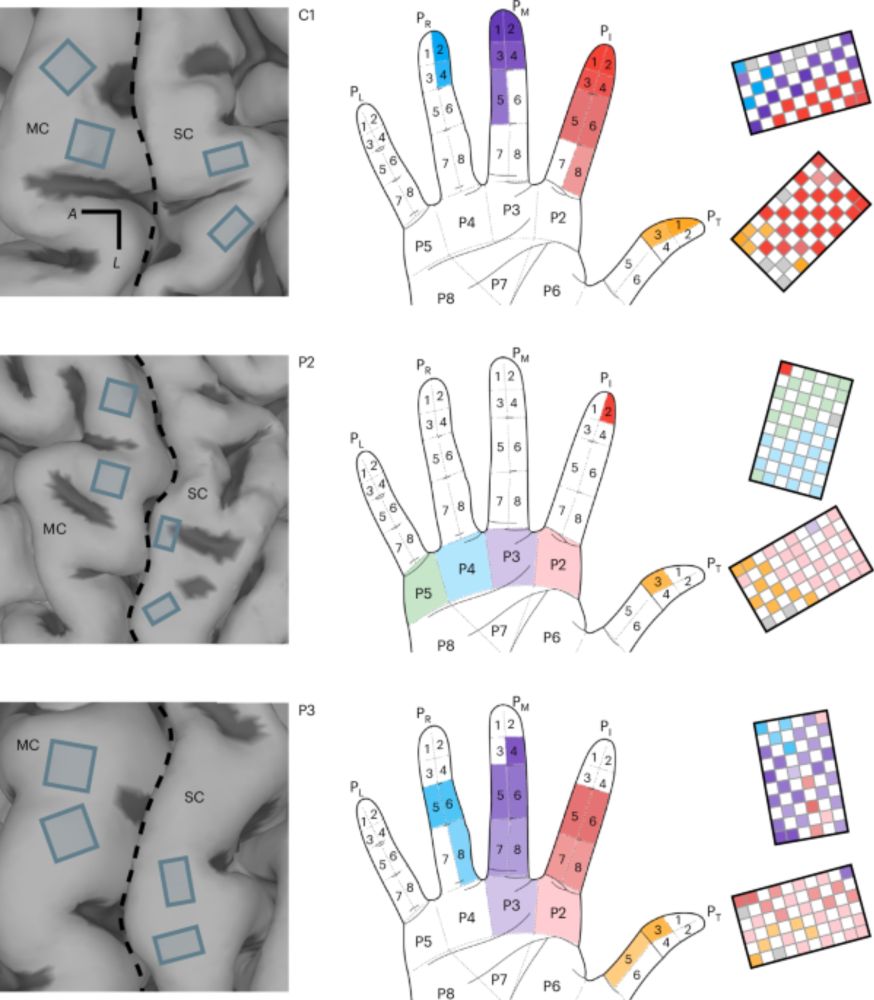
Progression of implant plan from placement map, to surgical image, to stimulation results.
Our new publication in Human Brain Mapping is a roadmap to implanting stimulation electrodes to evoke tactile sensations on the fingers of Brain-Computer Interface (BCI) users. We share the plan and results for 5 study participants across a decade at 2 sites.
onlinelibrary.wiley.com/doi/10.1002/...
Marc Schieber has published his insightful thoughts on the below paper and where it fits in the broader efforts towards dexterous neuroprosthetic hands in Nature BME:
www.nature.com/articles/s41...
This was a big team effort by the labs, and especially the study participants, across three universities (UChicago, Pitt, and a guest appearance from Case Western). These results a big step forward as we continue to improve the capabilities of ICMS to restore tactile sensations post-injury.
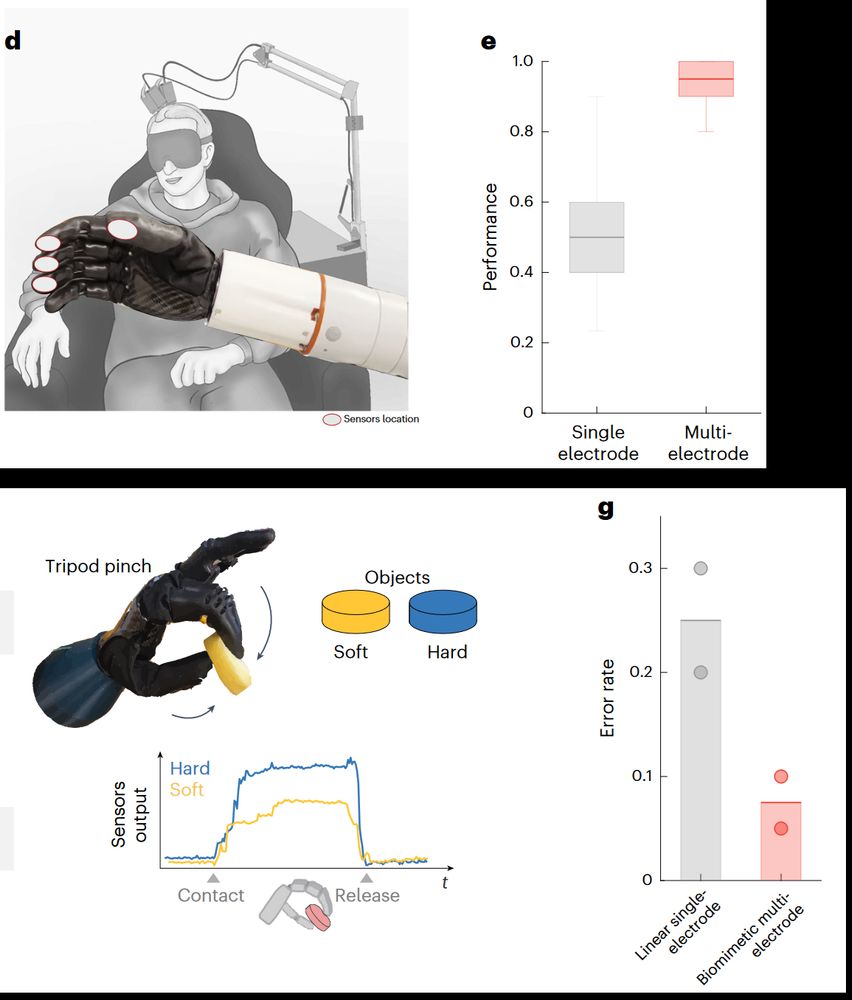
Figure showing how the above findings improve the utility of sensors on a robotic hand by increasing sensation clarity on the fingers and enabling detection of object softness when grasping.
These interactions allowed us to improve the ability of participants to both locate which finger an object was contacting as well as how much force was being applied to it.
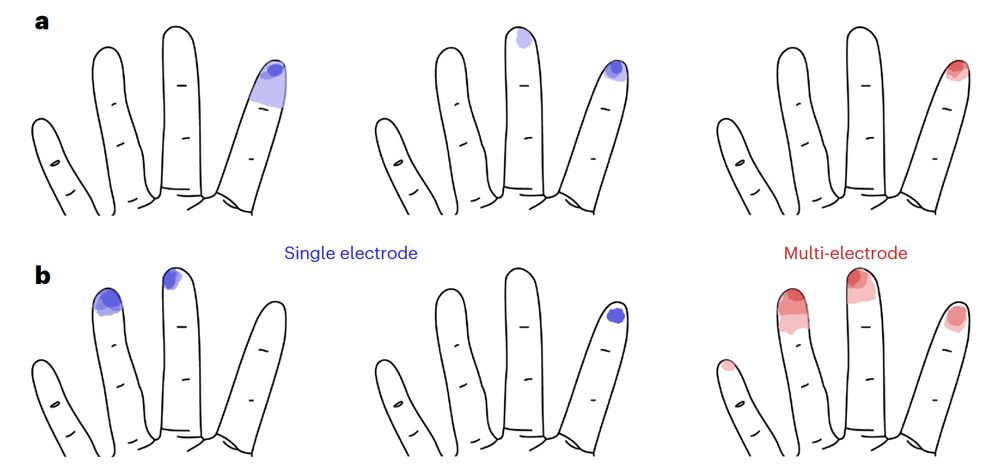
Figure showing that stimulating two electrodes at once evokes a sensation that approximates the sum of the sensations when each electrode is stimulated independently.
Given that some electrodes overlapped, we examined the interaction and found that they generally summed together making more intense sensations.
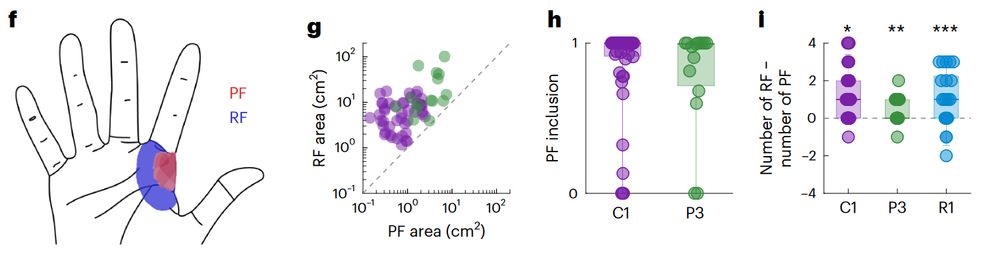
Figure showing that electrodes that record activity when a part of the hand is touched, evoke a sensation in the same area of the hand when stimulated.
We compared the percept locations with receptive field locations (area on the hand that when touched evokes neural activity near an electrode) when possible and found that the vast majority of percepts fell within the matched receptive fields.
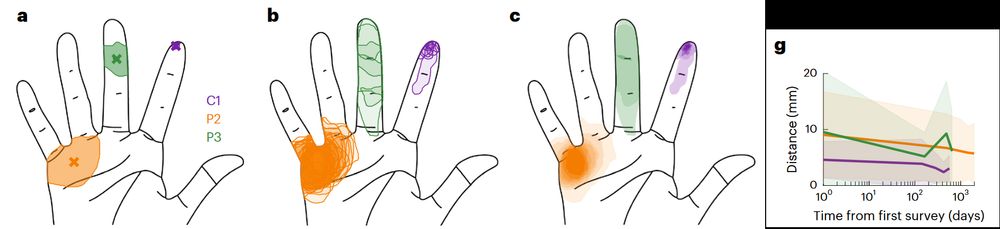
A figure from the linked paper, showing where participants feel sensations during electrical stimulation, and that the locations are stable over time.
We first looked to see if ICMS-evoked percepts (a sensation caused by stimulation on an electrode) were in consistent locations across the duration of the study and found that across 2-7 years they were.
Our group has a new paper out now in Nature BME, led by Charles Greenspon. It covers a number of updates on how we can restore tactile sensation from the hand using intracortical microstimulation (ICMS).
www.nature.com/articles/s41...

There's a great new story out today in Nature about the state of sensory neuroprosthetic research. It features one of our participants from the University of Chicago and glimpses of exciting research from around the world.
www.nature.com/articles/d41...
We are seeking a postdoc to work in sensorimotor neuroscience with brain-computer interfaces (BCI). The projects will focus on dexterous hand control through neural recordings and restoration of sensation to neural stimulation.

Check out our first paper, out today, from the Cortical Bionics Research Group's (@corticalbionics.bsky.social) multisite brain-computer interface (BCI) clinical trial for people with upper-limb paralysis at UChicago and @pitt.bsky.social . 1/9
www.nature.com/articles/s41...