

My advice to tool makers:
open.substack.com/pub/zendudes...
06.11.2025 18:34
👍 4
🔁 2
💬 0
📌 1
When chemistry meets neurons! Game-changing paper on multifunctional fluorescent ligands. Luke and Pratik built the nerdy toys; we got to play! Jason Vevea nailed biotin-HTL for mito magic. My lab rocked the JQ1 HTL to shuffle chromatin in mins. 1st collab win for our Neuronal Cell Biology Division.

Five puzzles assembled from blue, green, red and orange plastic pieces; each piece is around 4 centimeters wide.
The plastic used to form these tangram puzzles is edible — but it might not taste great. Made from a specialized plant-based cellulose polymer, citric acid and squid ink, the plastic is colored not by dyes or pigments but a phenomenon called structural color. [1/3]

Excited to post my lab's first publication on Bluesky, featuring photopharmacology of GABA(A) receptors. Great job by my PhD student (Simon) and founding lab member (Jay-Rong). Thank you and congratulations! 🎉👍🍺
bpspubs.onlinelibrary.wiley.com/doi/abs/10.1...
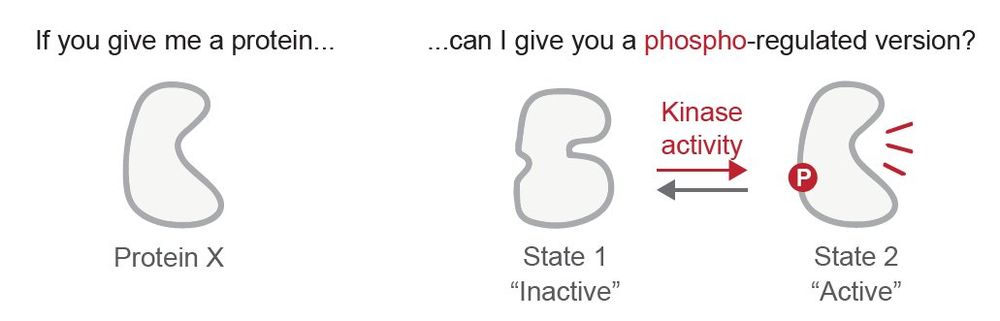
I'd like to share a little bit of happy lab news in these chaotic times: a new preprint, driven by the brilliant Qinhao Cao!
www.biorxiv.org/content/10.1...
We address a big challenge in synbio: If you give me a protein "X", how can I give you a version of X whose activity is controlled by a kinase?
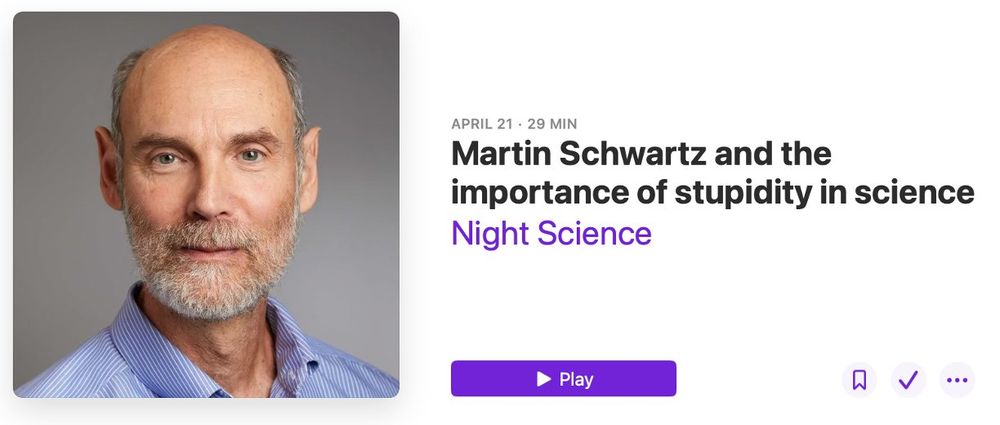
New Night Science Podcast episode! Martin Schwartz from
Yale talks with us about the importance of stupidity in scientific research, how the ego can obstruct creativity, and how resilience, self-discovery, and "passionate indifference" – are key in science.
podcasts.apple.com/us/podcast/n...

New tools! GreenPy and ApplePy are fluorescent biosensors for pyruvate with huge responses (20–40x in vitro) and a range of affinities (10s of μM to mM). These should be game changers for imaging of metabolism! Great work by Shosei Imai @sikmys.bsky.social and team 👏. www.biorxiv.org/content/10.1...
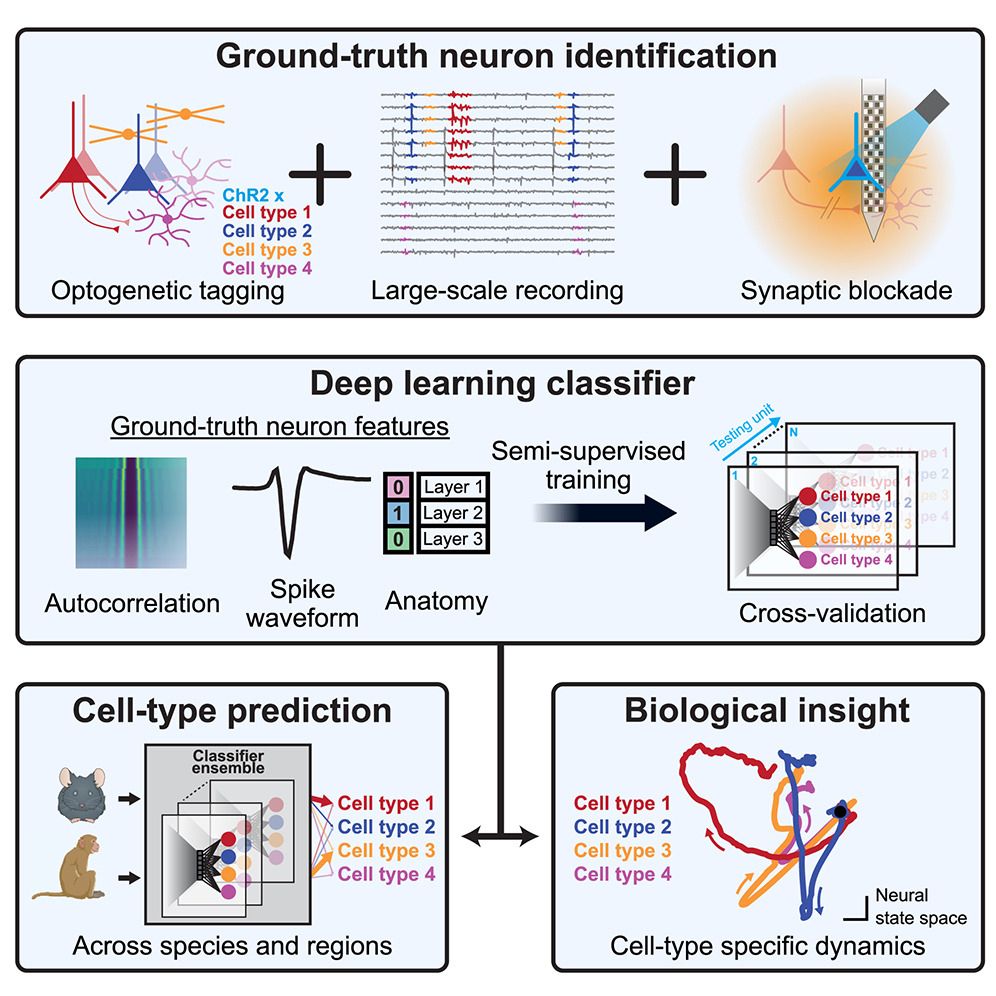
I am very proud to announce that my PhD paper finally came out in Cell! In this *very* collaborative study, we develop and release a deep-learning approach to predict neuron type identity from their electrical signature. doi.org/10.1016/j.ce... 1/16 🧵

Nature research paper: De novo design of transmembrane fluorescence-activating proteins
https://go.nature.com/4k2OAZA

The prominence of the pervasive PIEZO ion channels keeps showing up, now for regulating adipose tissue glucose uptake and energy storage
www.sciencedirect.com/science/arti...
Recently discussed w/ @ardemp.bskyverified.social erictopol.substack.com/p/ardem-pata...
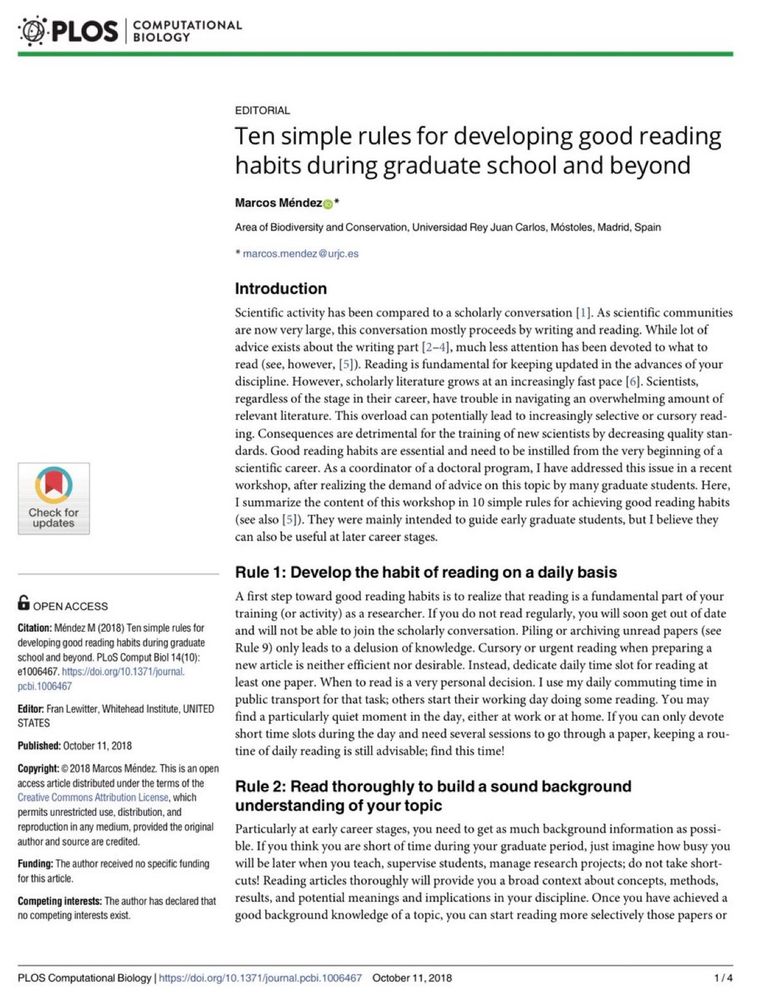
Ten simple rules for developing good reading habits during graduate school and beyond
journals.plos.org/ploscompbiol...
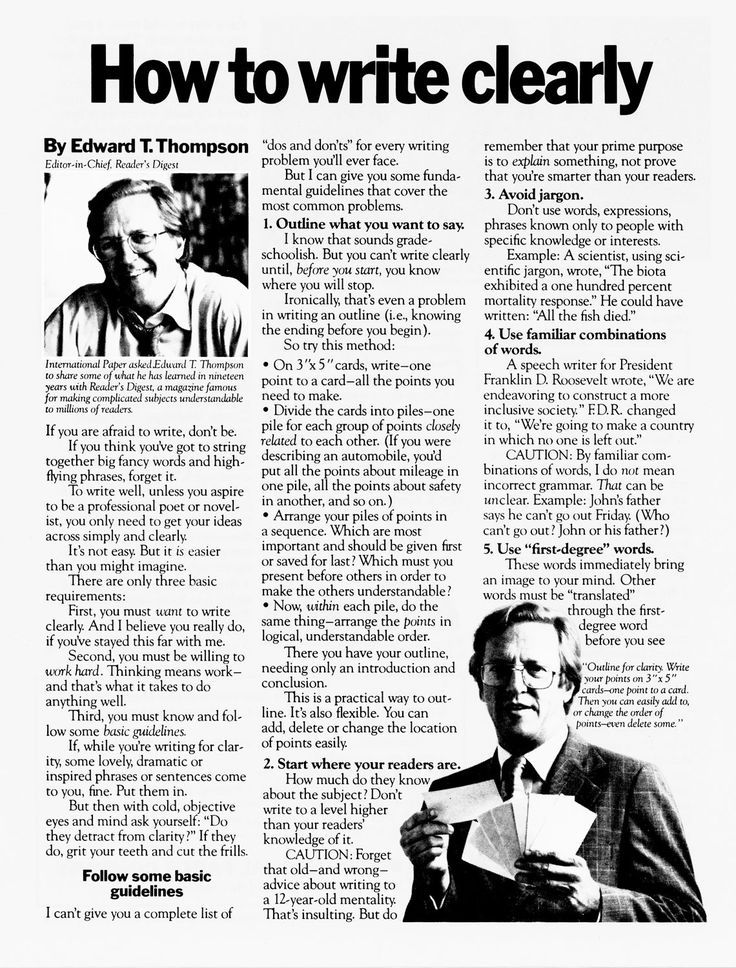
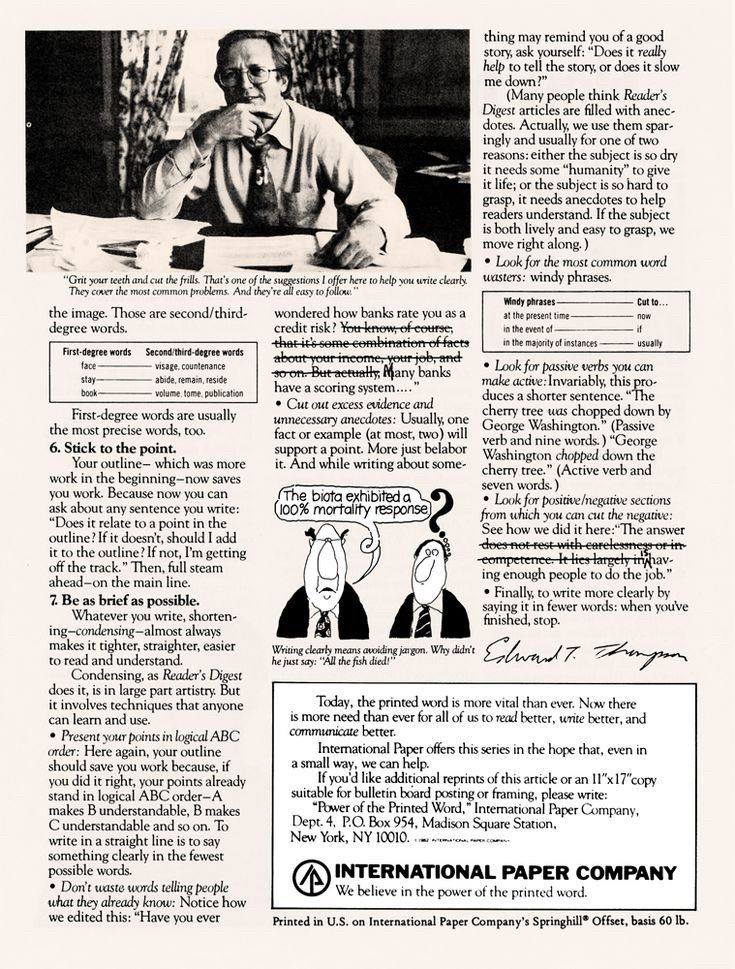
6. How to Write Clearly
www.harmonize.com/probe/Bullet...

Every once in a while we publish a paper that moves a whole field forward. I think that's the case for this one from the Bugaj lab, where they describe proteins for THERMOGENETIC control of cellular behavior. www.nature.com/articles/s41...

Slow-motion videos reveal tree frogs making some of the most dramatic landings in nature.
Learn more: scim.ag/4gTAurn
Here are *some* of my favorite studies on dendrites and spines from 2024 👀 - feeling very excited and inspired about the field! 🔥 Happy new year y'all!


Ten Simple Rules for Making Good Oral Presentations
Open Access
journals.plos.org/ploscompbiol...
Many academics point to bioRxiv as “the one thing improving science publishing”.
If so, the one thing you all can do is persuade colleagues to submit and make this a norm. 1/2
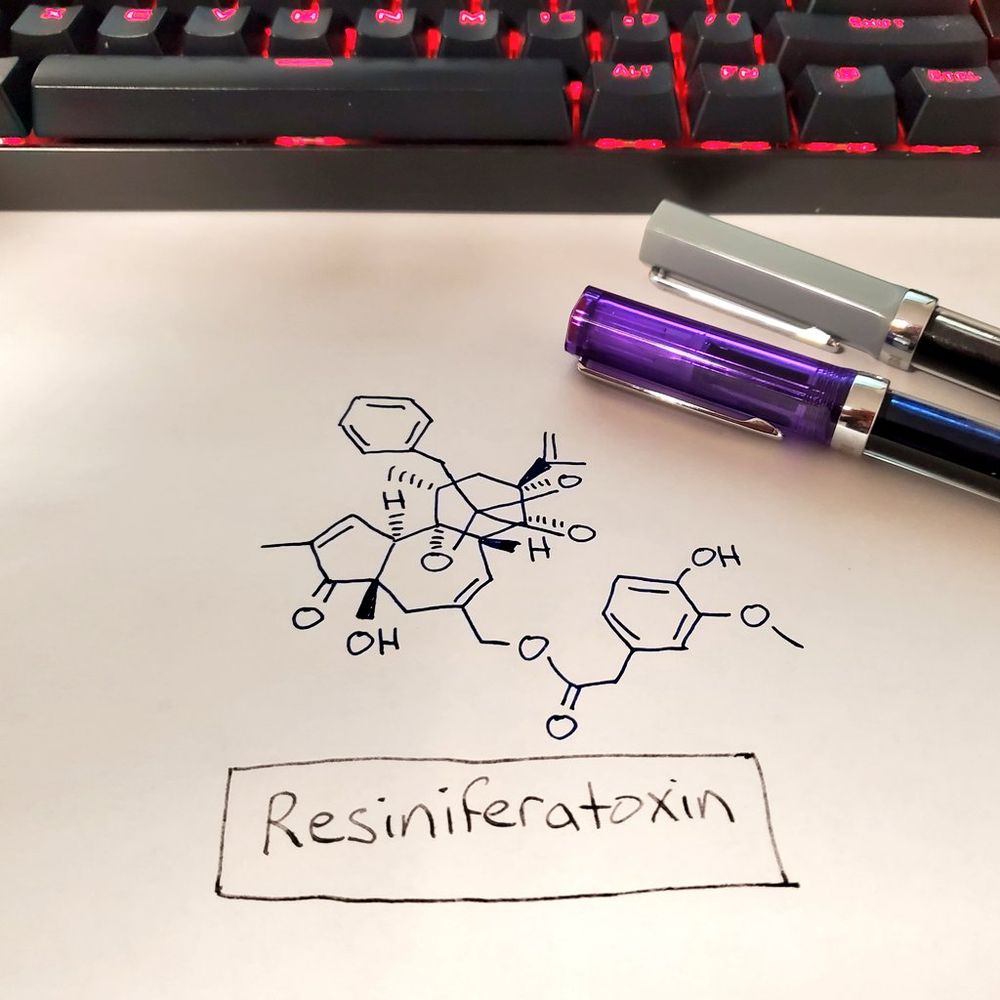
The chemical structure of resiniferatoxin, drawn with TWSBI ECO fountain pens in a dark purple and dark gray inks.
Anyone up for some #ToxTuesday?
A lot of us love spicy foods, and the capsaicin in chili peppers that gives us that heat can be addictive. But is there anything hotter? I'm glad you asked. Yes, yes there is. And it's called RESINIFERATOXIN

Neuroscience students asked us to teach a PRACTICAL course on experimental methods, and it is now on YouTube!
Please like and repost to help us get the word out!
www.youtube.com/playlist?lis...
Lecture 1: Signals and data acquisition
Focusing on hardware, digital/analog I/O, synchronization
🧵
Could one envision a synthetic receptor technology that is fully programmable, able to detect diverse extracellular antigens – both soluble and cell-attached – and convert that recognition into a wide range of intracellular responses, from gene expression and real-time fluorescence to modulation..
"If we don't feel stupid it means we are not really trying"
Very encouraging quote from this inspiring article. The other two are also excellent!
I'll add this piece of advice, which a friendly ultramarathoner once gave me:
"Enjoy the highs, manage the lows!"
#econsky

Not a new paper, but still helps (1/2)
PhD survival guide @embopress.org
#PhD #PhDlife #academics #scisky #medsky
ChemBio fans please repost the #ChemicalBiology Feed bsky.app/profile/thor...
@carolynbertozzi.bsky.social @ritastrack.bsky.social @stephanhacker2.bsky.social @stuartcantrill.bsky.social @laurahowes.bsky.social @dirktrauner.bsky.social @chemjobber.bsky.social @dereklowe.bsky.social
#chemsky

2/ To kick off the thread, here are 22 persuasive communication devices that you should watch out for when writing or reading a research article.
https://buff.ly/3Z9Mb5C

Infographic on hunger, digestion, and feeling full. Ghrelin, produced by an empty stomach, causes feelings of hunger. Stomach rumbling is caused by the migrating motor complex, contractions that sweep indigestible substances from the stomach and through the small intestine. Smelling food signals the brain's primary salivary centers in the medulla oblongata. Neurotransmitters then signal glands to produce saliva. Mechanical and chemical digestion break down the food we eat. Different enzymes break up different biological molecules. The salivary glands produce amylase, a carbohydrase that breaks carbohydrates into simple sugars. The stomach produces proteases, which breaks proteins into amino acids. The pancreas produces amylase, proteases, and lipases. Lipase breaks lipids into fatty acids and glycerol. Eating makes fat cells release the hormone leptin, making us feel full. Sleepiness after eating is caused by an insulin response: after carbohydrates raise blood sugar, insulin reduces blood sugar, causing feelings of tiredness.
Happy #Thanksgiving! What happens in your body before and after a big meal? Here's a look at why food makes our mouths water and big meals make us sleepy: cen.acs.org/food/food-sc... #PeriodicGraphics
No such thing as a standard career path - a new careers interview series
We chatted to several #DevBio scientists who've had vastly different career trajectories. We hope whichever career stage you're at and whatever journey you're embarking on, these stories show that many valid career paths exist
Excited to publish a broad set of enhancers to target interneuron types in the brain, along with a broad set of collaborators. Part of the BI armamentarium. Together this will help revolutionize the targeting of brain circuits.https://www.biorxiv.org/content/10.1101/2024.07.17.603924v2
May I be added to this one? I develop tools 😎


🎨 In case anyone need…
The NIH BioArt Source is an awesome library of *free* professionally drawn illustrations for scientific presentations or figures. Downloadable in HD. Thank you NIH for this invaluable tool 🙏!
Check it out 👇
bioart.niaid.nih.gov
