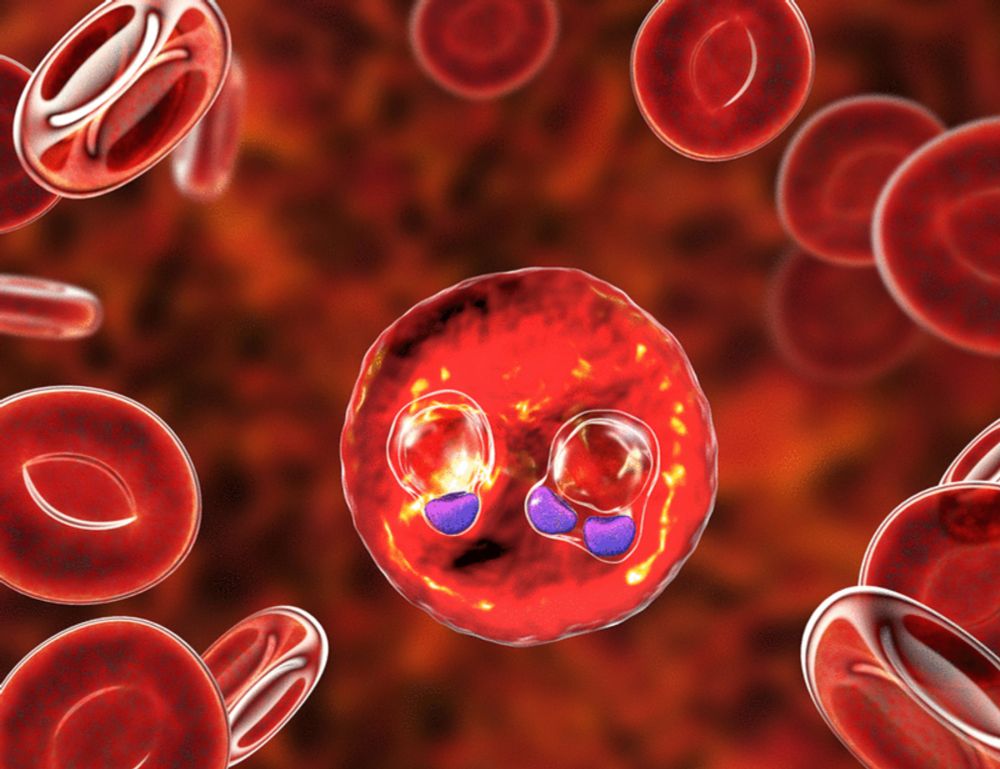
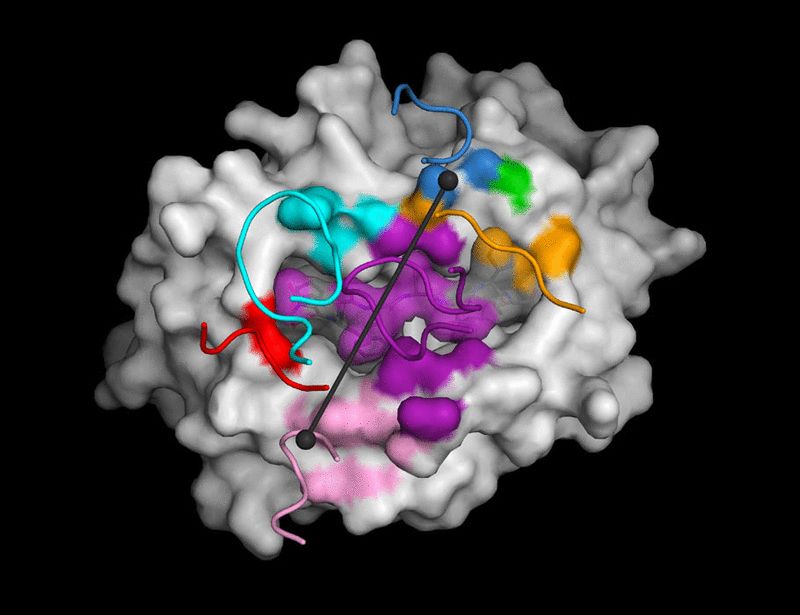
Excited to share our work published yesterday (and featured on the cover!) of #ScienceImmunology. This was a true team effort between the Reizis lab at NYU @uchicagocoi.bsky.social and Sasha Galitsyna & Leonid Mirny at MIT 1/
www.science.org/doi/10.1126/...
07.02.2026 17:32
👍 5
🔁 2
💬 1
📌 1

Molecular basis for de novo thymus regeneration in a vertebrate, the axolotl
The molecular, cellular, and functional restoration of the axolotl thymus after de novo regeneration is described.
Very happy to see this published! 🎉🎉🎉 Amazing collaboration with Max Yun and her team @maxyunlab.bsky.social @crtd-tud.bsky.social on Axolotl Thymus regeneration. Thanks also to @claireolingy.bsky.social for coverage, and grateful for December cover #scienceimmunology www.science.org/doi/10.1126/...
05.12.2025 19:47
👍 4
🔁 3
💬 0
📌 0

Design of a potent interleukin-21 mimic for cancer immunotherapy
A de novo IL-21 mimic, 21h10, exhibits improved stability and potent antitumor activity in vivo compared with native IL-21.
David Baker & colleagues develop an #IL21 mimic (21h10) that is more stable & shows x-reactivity against both human & murine #IL21R. 21h10 promotes potent antitumor responses in mice and in human #melanoma tumor explants, expanding low-affinity CD8 #TCells & #TH1 cells & reducing #Tregs in #tumors!
29.09.2025 21:13
👍 43
🔁 6
💬 0
📌 0

Nuclear polarization to the immune synapse facilitates an early transcriptional burst
Cytotoxic T lymphocyte target recognition triggers rapid nuclear polarization to the immune synapse and an early transcriptional burst of cytokines.
Now in #Science #Immunology: @griffithslab.bsky.social report that when #CD8 #TCells encounter their targets, #nucleus localizes to the #ImmuneSynapse (IS) & facilitates delivery of newly synthesized cytokines to the IS. They find nuclear polarization represents key step in #CTL -mediated killing!
19.09.2025 20:54
👍 26
🔁 5
💬 0
📌 0
Looking forward to a great meeting next week! Email or DM me if you would like to chat!
11.09.2025 13:10
👍 3
🔁 1
💬 0
📌 0
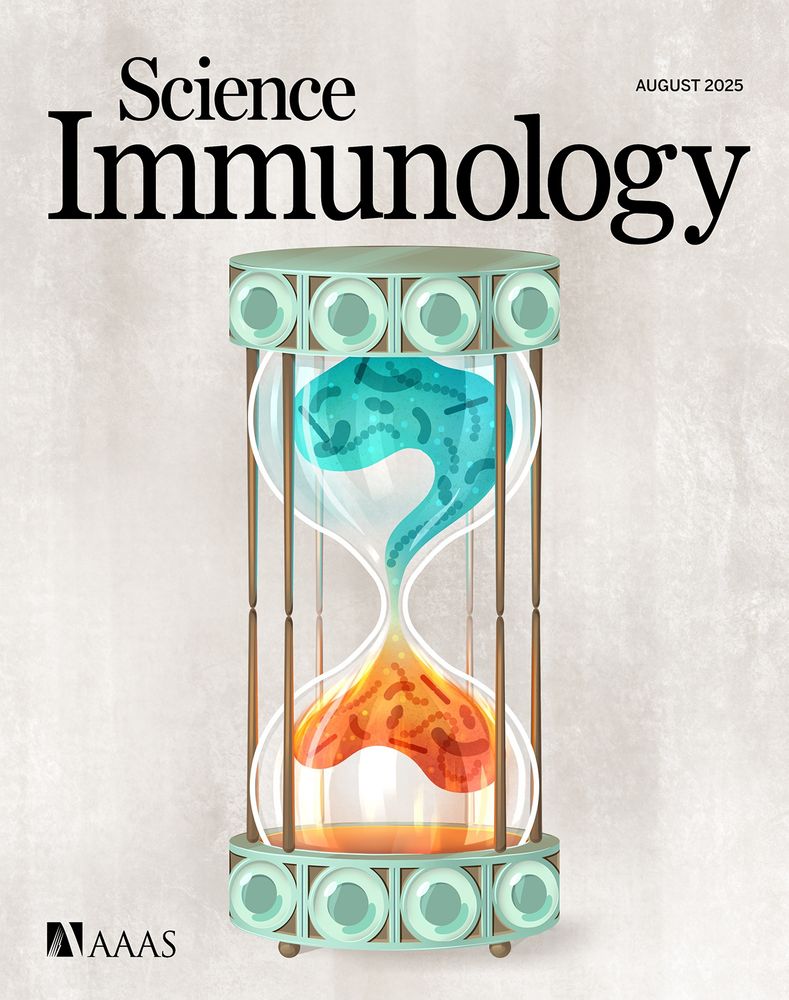
The August issue of #Science #Immunology is out! This week: T peripheral helper cells expressing IGFL2 contribute to rheumatoid #arthritis; vagal TRPV1+ sensory #neurons protect against #influenza virus infection; & transfer of #Tregs alleviates #inflammaging in mice!
wwwscience.org/toc/sciimmun...
01.08.2025 20:21
👍 14
🔁 7
💬 2
📌 0
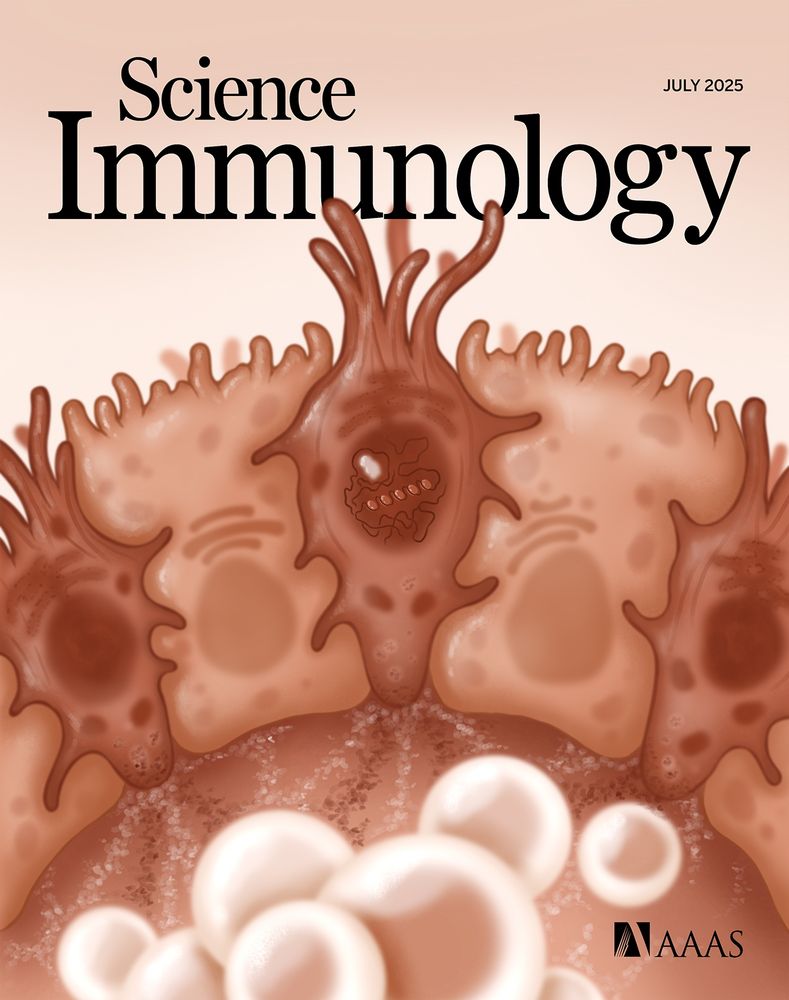
Checkpoint on Type 2 Immunity. Tuft cells play key roles in the initiation and propagation of type 2 immune responses in the gut, but whether they have regulatory machinery for constraining these responses is not known. Wang et al. found that the transcription factor Spi-B prevents excessive type 2 immune responses against helminth infection and food allergens by limiting tuft cell activation and proliferation in the small intestine. Spi-B represses c-Kit signaling in tuft cells, which limits their production of the cytokine TSLP and the subsequent activation of T helper 2 (TH2) cells. This month’s cover image features a tuft cell (dark red) within the epithelial lining of the small intestine in which Spi-B has been inactivated, leading to increased production of TSLP by tuft cells and the cytokine interleukin-13 (IL-13) by TH2 cells (white).
Credit: A. Fisher/Science Immunology
The July issue of #Science #Immunology is out now! This week:
• Additional levels of #IL13RA1 gene regulation help explain susceptibility to #allergy!
• Spi-B is a #checkpoint of #type2 immunity by restraining #TuftCell activation in gut!
New content each week!
www.science.org/toc/sciimmun...
04.07.2025 22:34
👍 38
🔁 6
💬 1
📌 0
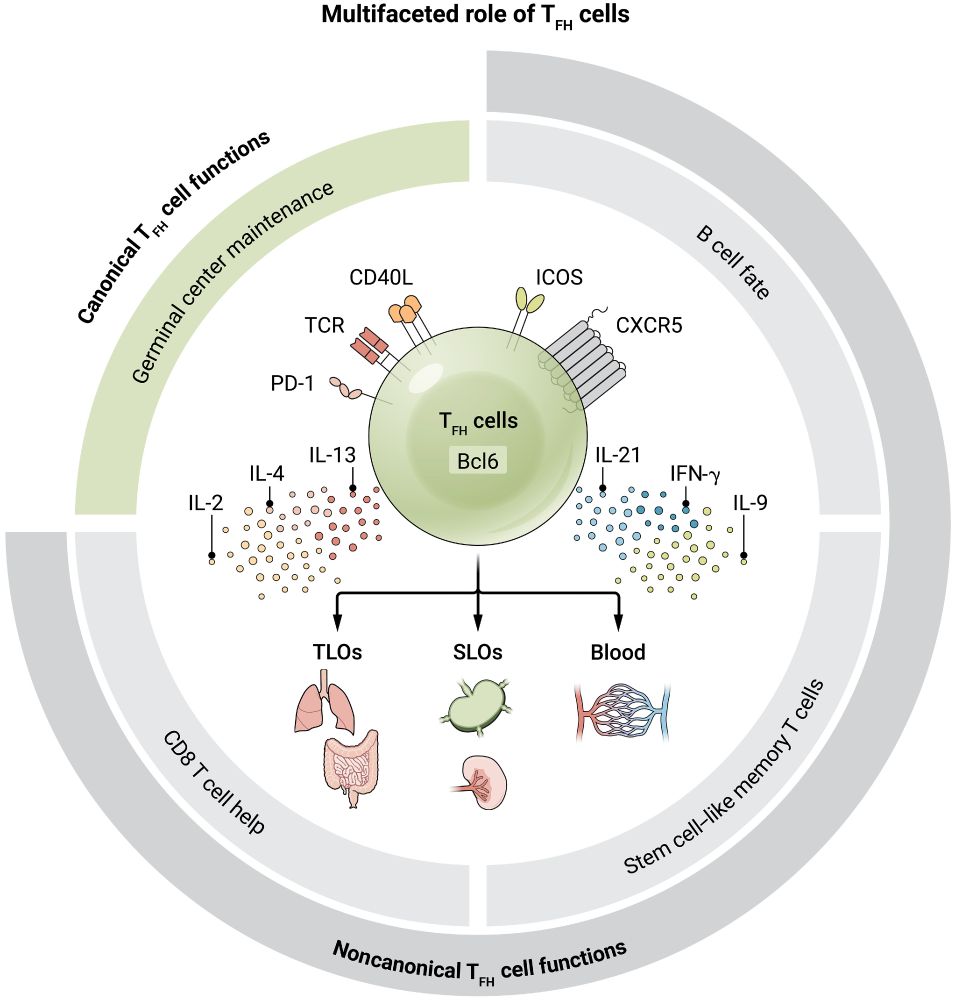
Conventional and nonconventional functions of TFH cells: In addition to their conventional role as GC facilitators—providing survival and proliferation signals to GC B cells—TFH cells also perform noncanonical functions. They can support CD8+ T cell responses, produce effector-like cytokines that critically influence B cell fate decisions beyond GC maintenance, and exhibit TSCM properties that allow them to serve as reservoirs for pathogenic Teff cell subsets across various anatomical niches
This month in #Science #Immunology, Shivangi Dave & André Ballesteros Tato at the #NIH review the noncanonical contributions of #TFollicularHelper ( #TFH ) cells cells to immune regulation beyond their traditional roles in #BCell help!
science.org/doi/10.1126/sciimmunol.adr1052
18.06.2025 10:50
👍 27
🔁 7
💬 0
📌 0

ONLINE COVERLNP mRNA Vaccines Get a Boost. Lipid nanoparticle (LNP) mRNA vaccines induce robust immune responses and provide protection against infectious diseases, but this immunity can be short-lived, necessitating frequent booster vaccinations. Aunins et al. investigated how adjuvanting LNP-mRNA vaccines with mRNA encoding the cytokine interleukin-12 (IL-12) influences CD8 T cell responses in mice. Il12 mRNA-LNPs (LNP–IL-12) enhanced antigen-specific CD8 T cell responses and CD8 T cell memory, providing greater protection against bacterial infection and in a mouse model of melanoma. Cytokine-adjuvanted mRNA-LNPs may help future vaccine platforms better tailor the magnitude and nature of the immune response. This month’s cover image features a stylized mRNA-LNP with various lipid (red, coral, and pink) and cholesterol molecules (maroon) encapsulating Il12 mRNA (yellow).
Credit: A. Mastin/Science Immunology
The June issue of #Science #Immunology has launched! This week: inducible #FoxP3 degradation in #Tregs; the immune landscape of human #psoriatic #arthritis; & #IL12 gives #mRNA #vaccines a boost!
New content every week! Check it out!
www.science.org/toc/sciimmun...
06.06.2025 19:21
👍 50
🔁 13
💬 2
📌 0

Cross-regulation between the nervous system and type 2 immunity
The nervous and type 2 immune systems regulate each other via cytokines and neurotransmitters, suggesting previously unidentified therapeutic avenues.
This month in #Science #Immunology: @nickmroz.bsky.social, @phagocyticpai.bsky.social, @annamolofskylab.bsky.social, & @arimolofskylab.bsky.social pen an insightful & timely Review on crosstalk between the #nervous system & #type2 immunity! #WeekendRead
#neuroimmunology #allergy #Alzheimers #itch
23.05.2025 09:41
👍 26
🔁 8
💬 0
📌 0
Abstracts - IUIS 2025
ABSTRACTS ALL ABOUT SUBMISSION IMPORTANT INFORMATION LATE ABSTRACT SUBMISSION IS NOW OPEN guidelines LATE ABSTRACT SUBMISSION GUIDELINES Important Dates 20 November 2024 – Abstract Submission Opens 25...
This is a public service announcement: late-breaking abstract submissions for #IUIS2025 will close tomorrow (May 6)!
You can submit your abstracts here: iuis2025.org/abstracts/
I hope to see many of you this August in beautiful Vienna!!!
#Immunology #Science2025 #CallForAbstracts #IUIS
05.05.2025 15:49
👍 9
🔁 3
💬 0
📌 0

ONLINE COVER: Lymph Nodes Get a Remodel. Fibroblastic reticular cells (FRCs) are stromal cells that coordinate structural remodeling and adaptive immune responses in the lymph node. Using single-cell transcriptomics and high-resolution microscopy, Lütge et al. comprehensively characterized the stromal cell landscape of human lymph nodes during quiescence and inflammation. Inflammation drove lymph node remodeling including the expansion of peptidase inhibitor 16 (PI16)+ FRCs in macrophage-rich perivascular niches. This month’s cover image shows an inflamed human lymph node that has undergone expansion of podoplanin+ FRCs (purple) near alpha smooth muscle actin (ACTA2)+ vascular smooth muscle cells (green) to support immune cell infiltration and BCL6+ germinal center B cell (orange) activity.
Credit: Lisa Kurz/Kantonsspital St. Gallen
The May issue of #Science #Immunology is out now!
This week: #interferon regulates #thymic epithelial cell differentiation; #efferocytosis determines #alveolar #macrophage functional plasticity: & mapping the #stromal cell landscape of human #LymphNodes!
science.org/toc/sciimmunol/10/107
02.05.2025 20:25
👍 26
🔁 4
💬 0
📌 0

Immunogenomic cancer evolution: A framework to understand cancer immunosuppression
Understanding the impacts of genetic abnormalities on immune responses to tumors can inform immunogenomic-based precision medicine.
Happy Int'l #DayofImmunology! To celebrate, here are some recent Reviews from the pages of #Science #Immunology!!!
First up: Kumagai, Momoi, & Nishikawa survey recent literature on links between #cancer genetic abnormalities & #immunosuppression that cause clinical resistance to #immunotherapy!
29.04.2025 12:28
👍 26
🔁 4
💬 2
📌 1

#Immunology out now @science.org
After initial priming in the lymph nodes, mouse CD8 T cells undergo a second phase of stable interactions with dendritic cells that can preferentially stimulate those with a high-affinity for antigen.
buff.ly/49bKcTG
By Jobin, Seetharama, Rüttger et al.
11.04.2025 16:17
👍 39
🔁 11
💬 0
📌 1
The April issue of #Science #Immunology is out now! This past week: two papers describe how #skin #inflammation can drive #type2 immune responses in other #mucosal tissues, while a third describes how #hunger perception in the #brain regulates peripheral immune cell dynamics! Check it out!
10.04.2025 09:55
👍 14
🔁 2
💬 0
📌 0

An aging bone marrow exacerbates lung fibrosis by fueling profibrotic macrophage persistence
Hematopoietic aging drives lung fibrosis and profibrotic macrophage influx, stalling their maturation via reduced Treg-derived IL-10.
1/ Excited to share my first-ever first-author paper out now in Science Immunology! from @knapplab.bsky.social and co-supervised by @miershawig.bsky.social
We show that hematopoietic aging, independent of lung tissue aging, is sufficient to exacerbate fibrosis.
🔗 www.science.org/doi/10.1126/...
28.03.2025 19:10
👍 35
🔁 9
💬 3
📌 2

two men are riding a bicycle with a basket on it .
ALT: two men are riding a bicycle with a basket on it .
#Bluetorial: In our latest paper on #gdTcells and #IBD in #ScienceImmunology we found that γδ IEL number and regulatory function are severely compromised BEFORE ileal inflammation occurs, suggesting that γδ IELs may maintain IEL homeostasis in response to a pro-inflammatory microenvironment. 1/n
22.03.2025 20:04
👍 42
🔁 16
💬 4
📌 2
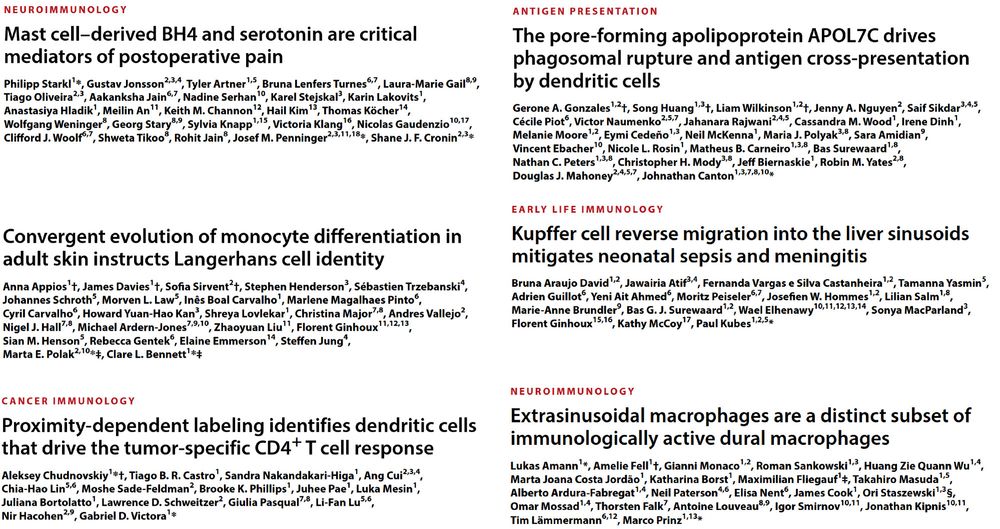
To celebrate with the @keystonesymposia.bsky.social #myeloid cell meeting happening now in Hannover, we have released a free collection of 6 recent #Science #Immunology papers focused on myeloid cells!
Check 'em out! They will be available until the end of April!
bit.ly/SciImm_free
#KSmyeloid25
05.03.2025 23:39
👍 21
🔁 6
💬 0
📌 0
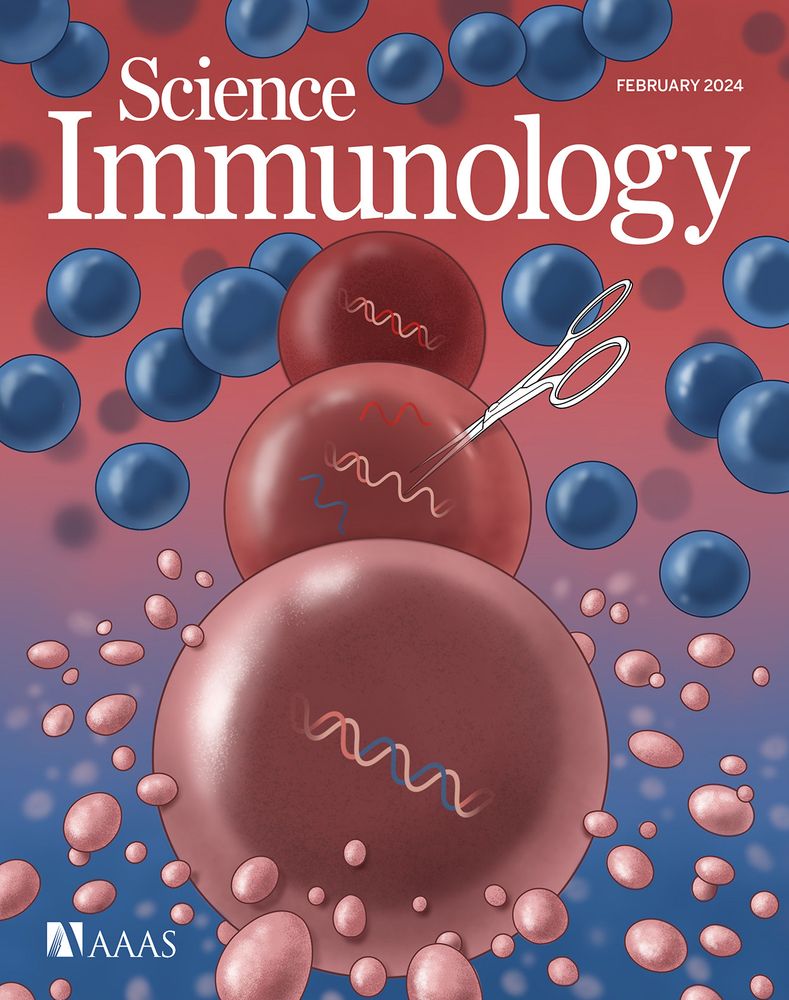
The February 2024 cover of Science Immunology depicts CRISPR–Cas9–mediated repair of a dysfunctional cytotoxic T cell (red) from an individual with familial hemophagocytic lymphohistiocytosis (FHL), which allows it to secrete normal cytotoxic granules (pink) and effectively kill virally infected B cells (blue). (Credit: A. Fisher/Science Immunology)
To commemorate #RareDiseaseDay, here are some recent #Science #Immunology research papers that elucidate the immune mechanisms underlying certain rare human diseases and/or report new strategies to treat them! @science.org
28.02.2025 21:37
👍 44
🔁 14
💬 1
📌 0

Linking vaccine adjuvant mechanisms of action to function
We review mechanisms of action underlying the function of vaccine adjuvants and knowledge gaps to be addressed.
This week in #Science #Immunology: A comprehensive review from Darrell Irvine and co-authors on recent advances in understanding #vaccine #adjuvant mechanisms of action, which could guide adjuvant design for vaccines against emerging and challenging pathogens:
14.02.2025 19:23
👍 9
🔁 1
💬 0
📌 1
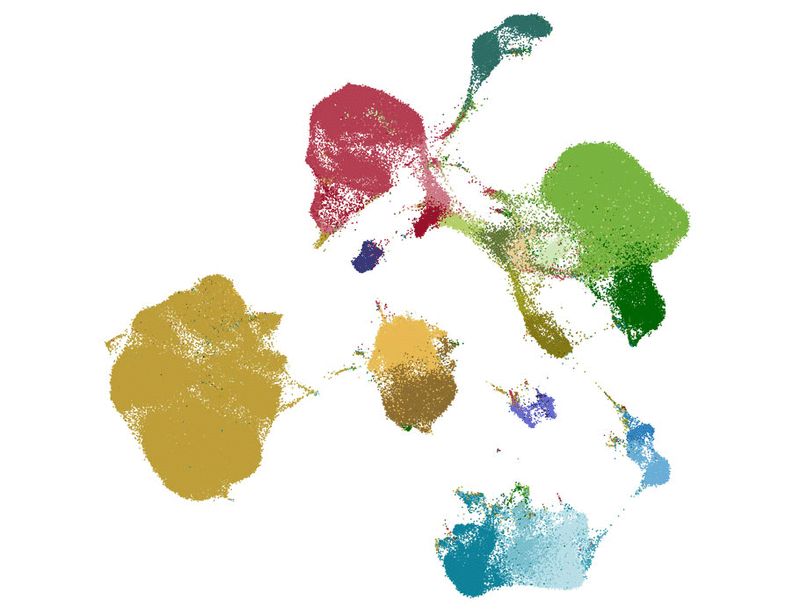
Bone marrow breakout lesions act as key sites for tumor-immune cell diversification in multiple myeloma
Single-cell and spatial multiomics analyses identify breakout lesions as a hotspot for tumor-immune interactions and diversification.
Now out in #Science #Immunology (and also featured on the cover!): Lutz, @simonhaas.bsky.social, Weinhold, & al. use single-cell and spatial multiomics to characterize breakout lesions in #multiplemyeloma, identifying regions of immune and tumor cell coevolution:
07.02.2025 20:24
👍 29
🔁 4
💬 0
📌 1
I’ll be here (joint with T cell Differentiation in Tissue Microenvironments) next week! Send me a message or email if you’d like to set up a time to chat. Looking forward to an exciting meeting!
27.01.2025 16:17
👍 6
🔁 3
💬 0
📌 1

The meninges host a distinct compartment of regulatory T cells that preserves brain homeostasis
Meningeal regulatory T cells restrain local interferon-γ–producing lymphocytes, thereby safeguarding parenchymal brain homeostasis.
1/ New in #ScienceImmunologyResearch! We explored how the brain maintains equilibrium with the immune system. Our focus? The key player in immune tolerance and tissue function regulation: regulatory T cells (Tregs). Let’s dive in! www.science.org/doi/10.1126/...
@immunoeditor.bsky.social
28.01.2025 20:24
👍 79
🔁 23
💬 3
📌 5
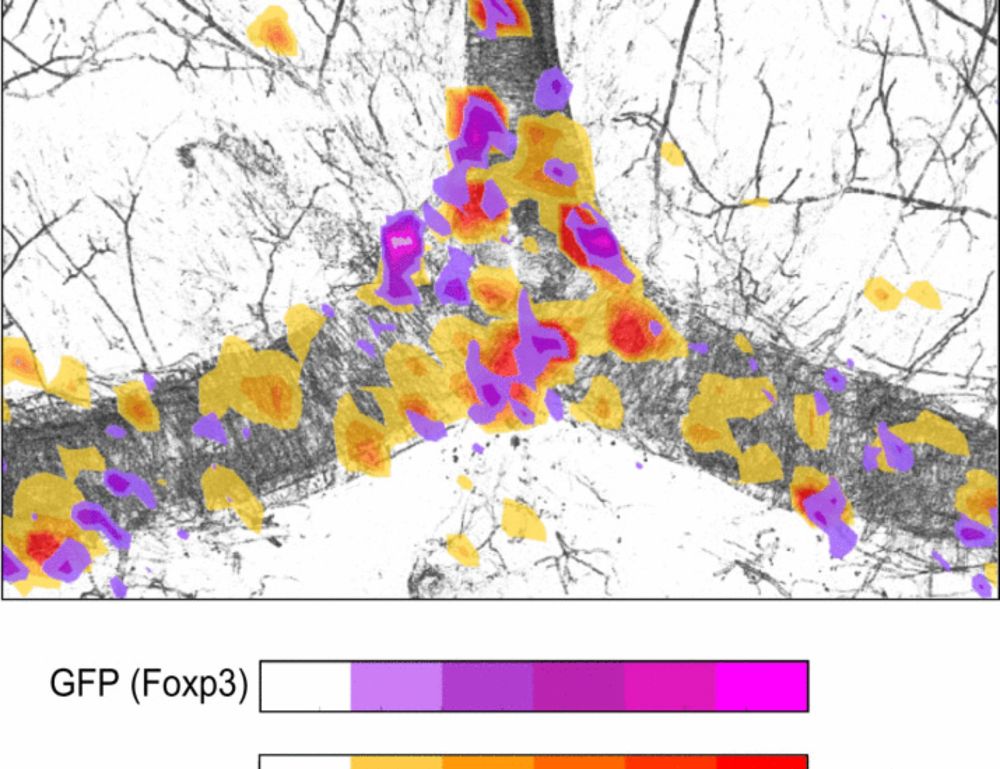
The meninges host a distinct compartment of regulatory T cells that preserves brain homeostasis
Meningeal regulatory T cells restrain local interferon-γ–producing lymphocytes, thereby safeguarding parenchymal brain homeostasis.
A #Science #Immunology Instant Release:
@mmr2.bsky.social, Diane Mathis, & colleagues at @harvard.edu & @institutocajal.bsky.social describe specialized meningeal #Treg subsets that promote #homeostasis of the mouse #brain #meninges & #parenchyma!
28.01.2025 16:05
👍 49
🔁 11
💬 2
📌 1